Every Women's World Chess Champion Since 1927
The Women's World Chess Championship has had seventeen champions since Vera Menchik won the first one in 1927. It has been a round-robin, a match, a 64-player knockout, and back to a match. The complete lineage, the format changes that make the record confusing, and where the title stands in 2026.
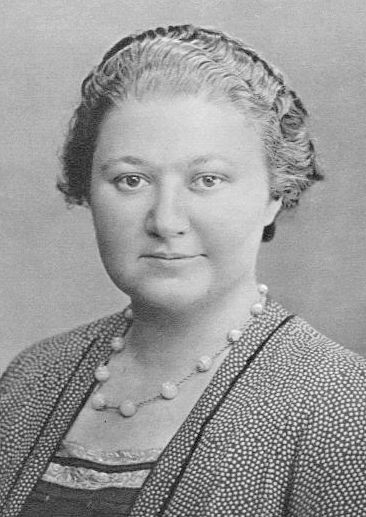
FIDE created the Women’s World Chess Championship in 1927 and Vera Menchik won it. She then won every one that was held until she was killed in a German air raid on London in 1944, at 38. The title sat vacant for six years afterwards.
Sixteen more women have held it in the years since. The reason nobody can recite the list from memory is that the format has changed roughly every decade, and for two stretches there were effectively two champions at once, so the tidy table you will find on most sites hides a genuinely messy record. This is the lineage, and the explanation for why it looks the way it does.
Menchik, 1927 to 1944
Menchik was born in Moscow in 1906 to a Czech father and an English mother, moved to England as a teenager, and became by a distance the strongest woman player of her era. She won the inaugural championship in London in 1927, conceding half a point across eleven games.
The number that matters more is the one from open competition. Menchik played in men’s tournaments at a time when that was close to unheard of, and she beat enough strong masters that they were jokingly said to have joined the “Menchik Club” on losing to her. The membership included Max Euwe, who would become World Champion in 1935.
The Soviet era, 1950 to 1991
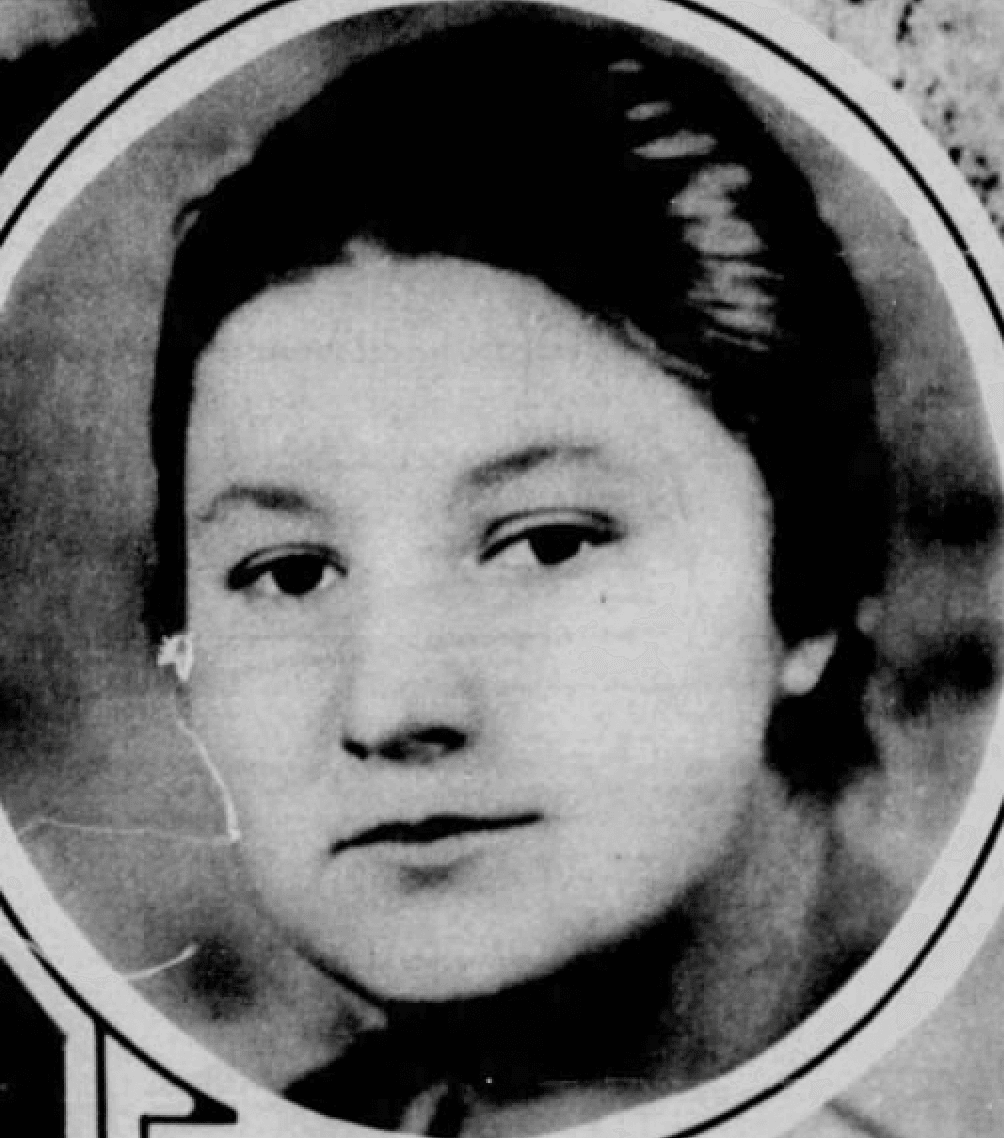
The title resumed in 1950 with Lyudmila Rudenko, and then the Soviet Union held it without interruption for forty-one years. Two Georgian players account for most of that stretch: Nona Gaprindashvili won five titles across sixteen years from 1962, and Maia Chiburdanidze won five more across thirteen years from 1978. Between them, ten consecutive championships.
Gaprindashvili is the more historically significant of the two, because she did what Menchik had done and pushed into open competition, becoming the first woman awarded the full grandmaster title in 1978.
China, 1991 to now
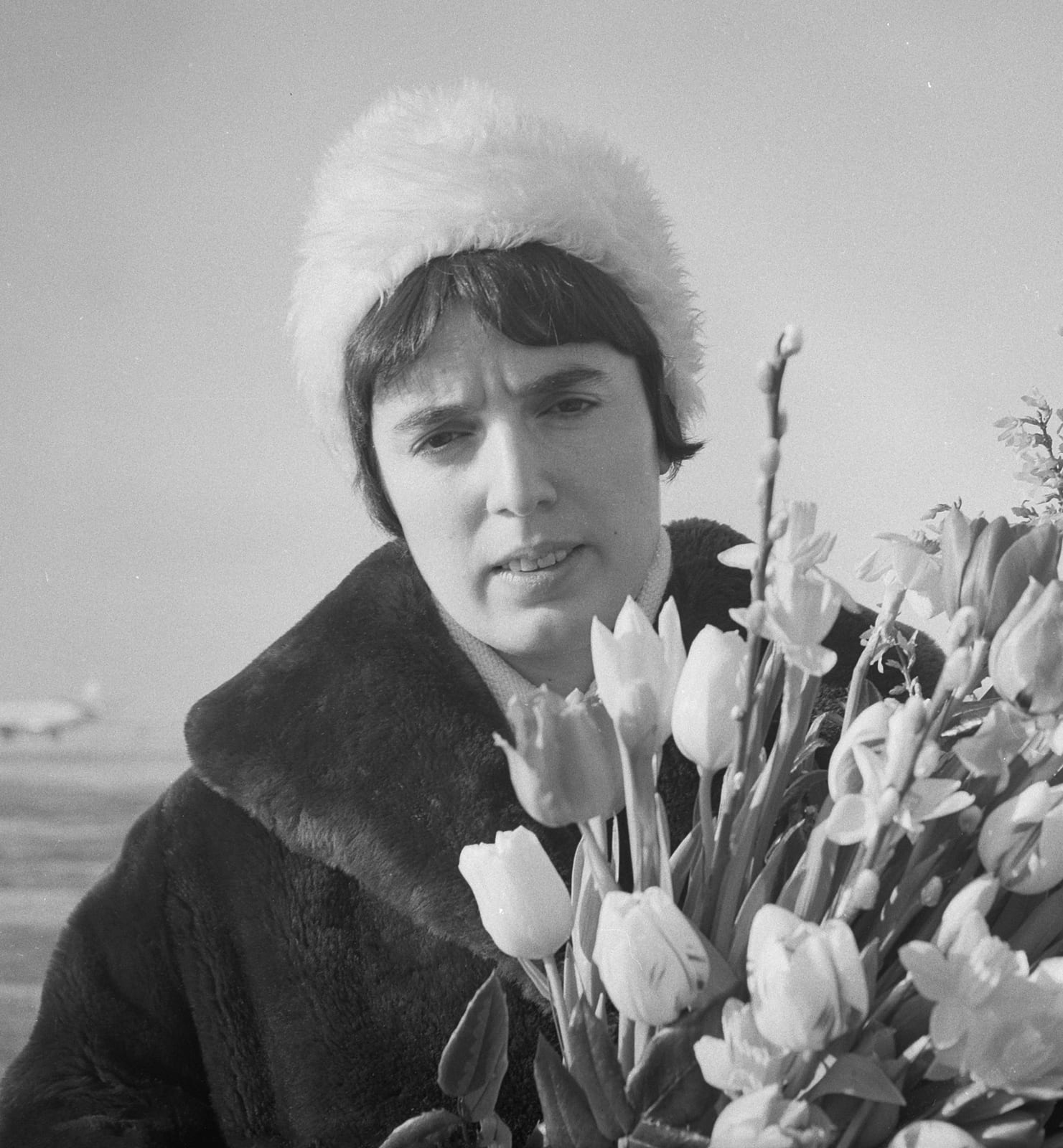
Xie Jun beat Chiburdanidze in Manila in 1991 and ended the Soviet run. Since then Chinese players have taken sixteen of the last twenty-one titles across six different champions: Xie Jun, Zhu Chen, Xu Yuhua, Hou Yifan, Tan Zhongyi and Ju Wenjun.
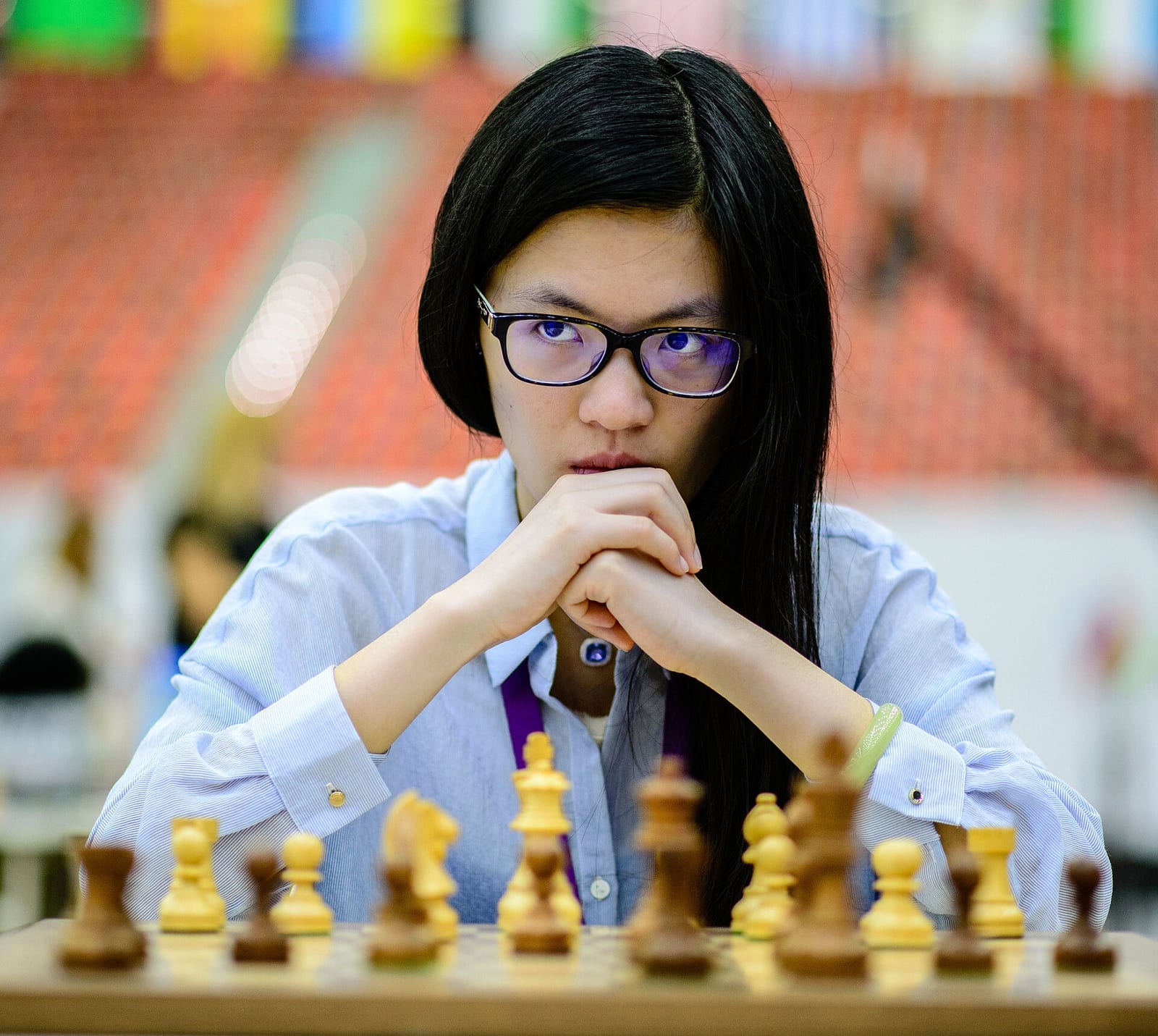
Hou Yifan is the strongest of them and arguably the strongest woman player since Judit Polgar. She won the title in 2010 at 16, held it across four reigns, and then largely stepped away from the women’s circuit to play open events and take up an academic post, which is why her name stops appearing after 2017 despite her never really being beaten out of the game.
Why the list of champions has overlapping dates
This is the part that confuses everyone, and it is worth understanding before you read any table of champions.
The men’s title has almost always been decided by a match between the champion and one challenger. The women’s title has not. It has been, in order: a round-robin tournament from 1927 to 1956, a challenger match from 1958 to 1999, a 64-player knockout from 2000 to 2010, then an alternating system from 2011 to 2018 where a knockout in one year and a match in the next both produced a “champion,” and finally a match cycle again from 2020 onward.
The alternating years are why Hou Yifan’s reign appears to overlap with Anna Ushenina’s and Mariya Muzychuk’s. Hou held the match title while others won knockouts, and both were called the Women’s World Champion. Ju Wenjun’s own record includes exactly this: she won a match in May 2018, and then defended the title in a 64-player knockout six months later.
A knockout and a match are not the same test, and a title that switches between them is not a continuous measure of anything. The current cycle, Candidates tournament into a title match, is the same structure the men’s title uses, and it has been stable since 2020.
The complete lineage
| Champion | Country | Reign | Titles |
|---|---|---|---|
| Vera Menchik | Czechoslovakia / United Kingdom | 1927–1944 | 8 |
| Lyudmila Rudenko | Soviet Union | 1950–1953 | 1 |
| Elisaveta Bykova | Soviet Union | 1953–1962 | 3 |
| Olga Rubtsova | Soviet Union | 1956–1958 | 1 |
| Nona Gaprindashvili | Soviet Union (Georgia) | 1962–1978 | 5 |
| Maia Chiburdanidze | Soviet Union (Georgia) | 1978–1991 | 5 |
| Xie Jun | China | 1991–2001 | 4 |
| Susan Polgar | Hungary | 1996–1999 | 1 |
| Zhu Chen | China | 2001–2004 | 1 |
| Antoaneta Stefanova | Bulgaria | 2004–2006 | 1 |
| Xu Yuhua | China | 2006–2008 | 1 |
| Alexandra Kosteniuk | Russia | 2008–2010 | 1 |
| Hou Yifan | China | 2010–2017 | 4 |
| Anna Ushenina | Ukraine | 2012–2013 | 1 |
| Mariya Muzychuk | Ukraine | 2015–2016 | 1 |
| Tan Zhongyi | China | 2017–2018 | 1 |
| Ju Wenjun | China | 2018– | 5 |
Bykova and Rubtsova overlap because Rubtsova won a 1956 triangular tournament and Bykova took it back in a 1958 match. Xie Jun and Susan Polgar overlap because of a tangle in the late 1990s. In 1997 Alisa Galliamova refused to play the Candidates final entirely in China, and FIDE awarded that match to Xie Jun by default. Polgar, the sitting champion, asked to postpone her defence; FIDE refused and declared her title forfeited in 1999, then staged the championship between Galliamova and Xie Jun across Kazan and Shenyang. Xie Jun won it on the board.
The Menchik Club: Euwe vs. Menchik, Hastings 1930
Round 2 of the Hastings Premier, December 30, 1930. Max Euwe had White. He would win the World Championship five years later.
It is a Queen’s Gambit Declined and it is not a brilliancy. The queens come off on move 33 and what remains is a bishop ending with pawns on both wings, the kind of position that gets adjudicated as drawn by anyone glancing at it. Menchik kept playing. The decisive moment comes at move 52, when Euwe takes a pawn on h7 with his king, three files away from Menchik’s passed b-pawn. The pawn ran. She promoted on move 59, and Euwe, a queen down, played two more moves and stopped.
Sixty-one moves against a future world champion, decided by a king-and-pawn race in a position most players would have agreed drawn twenty moves earlier.
Euwe, Max White Menchik, Vera Black


Where the title stands in 2026
Ju Wenjun has held it since May 2018 and defended it four times, most recently by beating Tan Zhongyi 6½–2½ in April 2025 across Shanghai and Chongqing. She is the most successful champion since Gaprindashvili and Chiburdanidze.
Her next challenger is Vaishali Rameshbabu, who won the Women’s Candidates Tournament in Cyprus in April 2026 on 8½/14. FIDE has confirmed the pairing and has not announced dates or a venue. When it happens she will be the second Indian woman to play for the title, after Koneru Humpy, who lost to Hou Yifan 5½–2½ in Tirana in 2011.
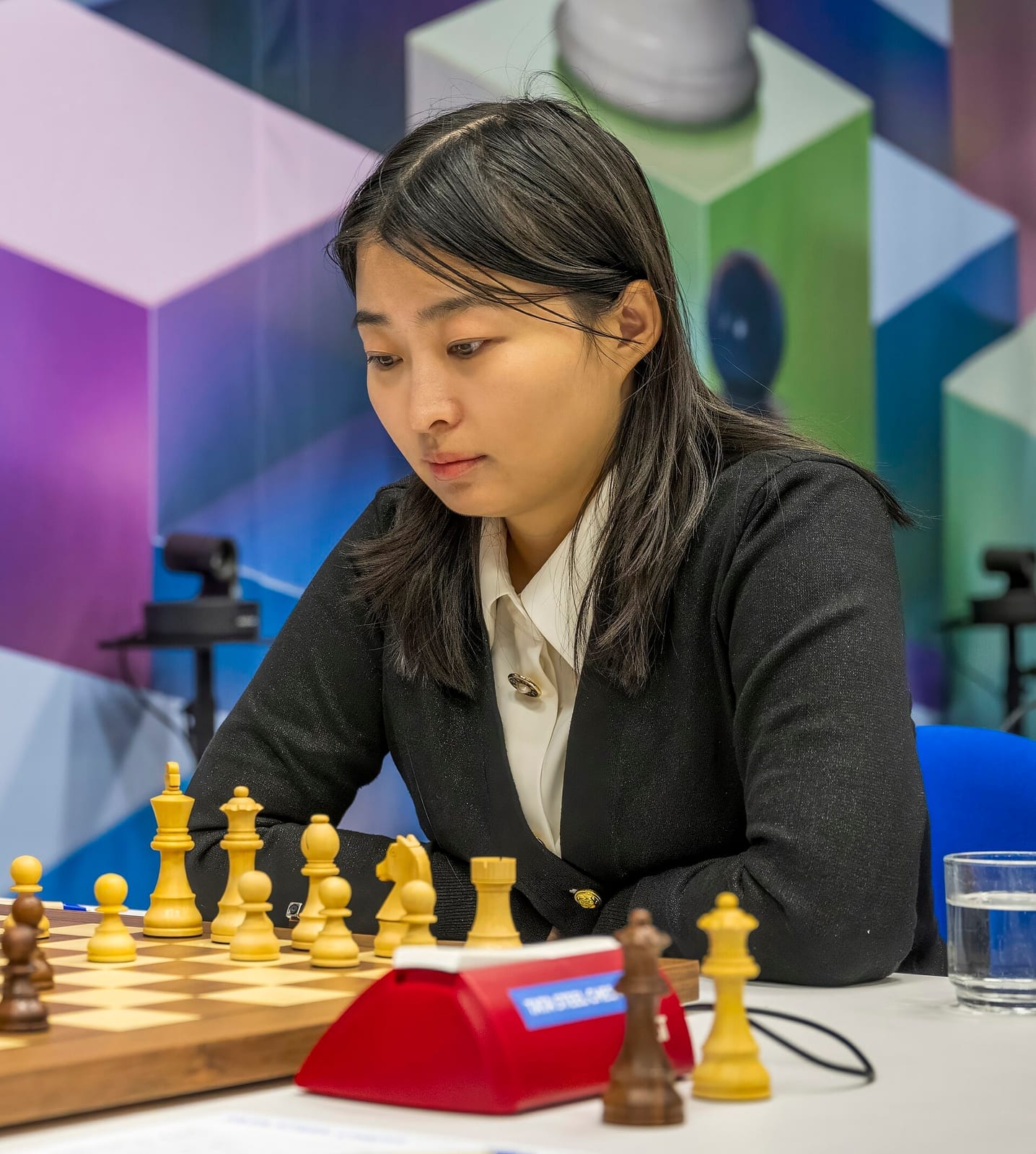
The other player worth watching is Divya Deshmukh, who won the 2025 Women’s World Cup at 19 as the fifteenth seed and is the youngest player in most elite fields she enters.
For the parallel history of the open title, see the World Chess Championship. For the strongest woman player never to compete for this title, see Judit Polgar, who spent her career in open events and declined the women’s circuit entirely.
Sources
This page contains affiliate links. As an Amazon Associate, DiscussChess earns from qualifying purchases.
Sources
Further reading
- The Life and Games of Mikhail Tal, Mikhail Tal ASIN verified via Open Library 2026-08-15. Everyman Chess, 1997. The best first-person account of what playing for a world title actually feels like.
- Logical Chess: Move by Move, Irving Chernev, Batsford edition ASIN verified via Open Library 2026-08-15. The right entry point for reading the classical-era games that make up most of this title's history.