Shop

Equipment and books

61 verified products across sets, boards, clocks, chess computers, and the books that actually move your rating. Every ASIN is verified before publication. Use the filters below to narrow by category or price tier.

61/61

Chess Sets

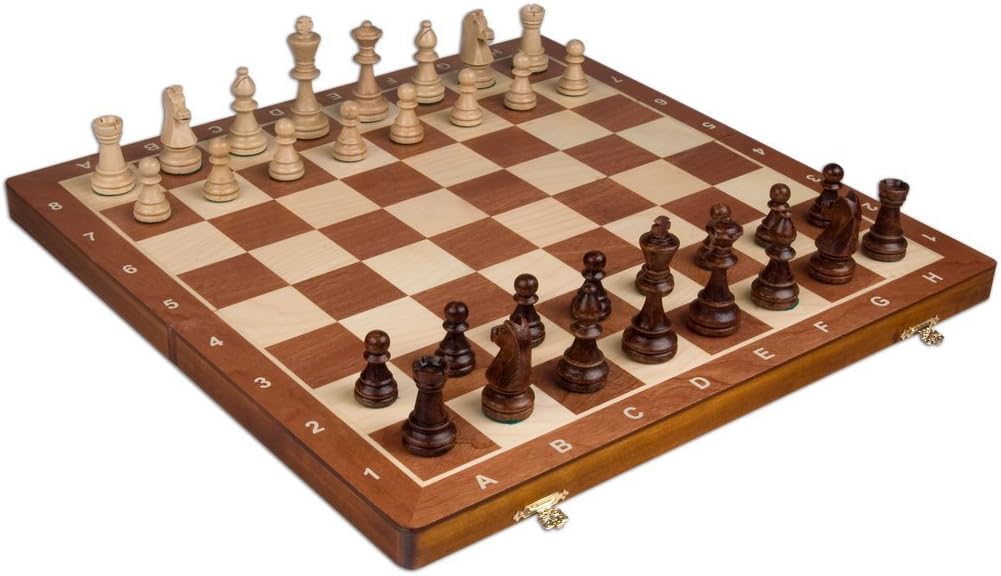
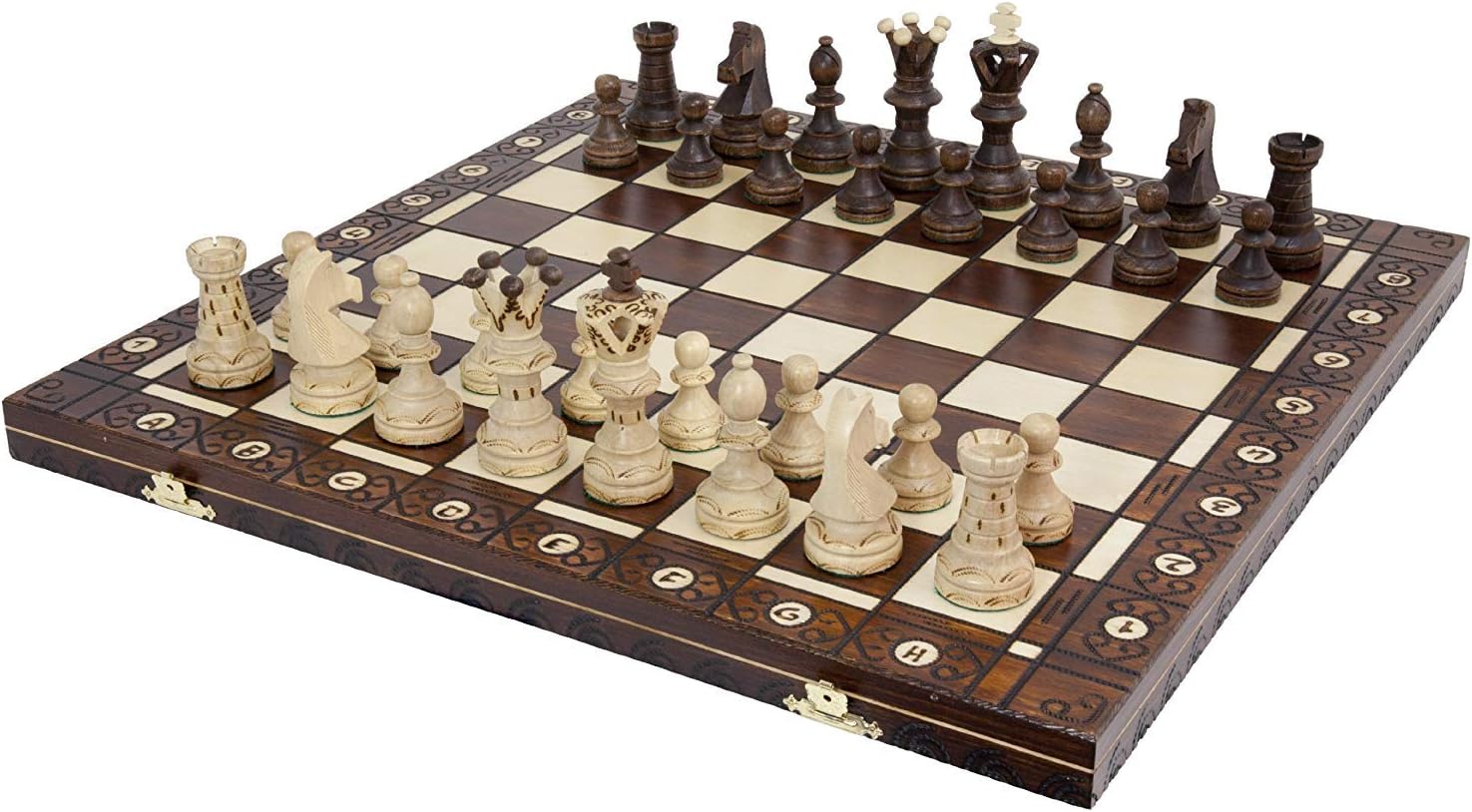
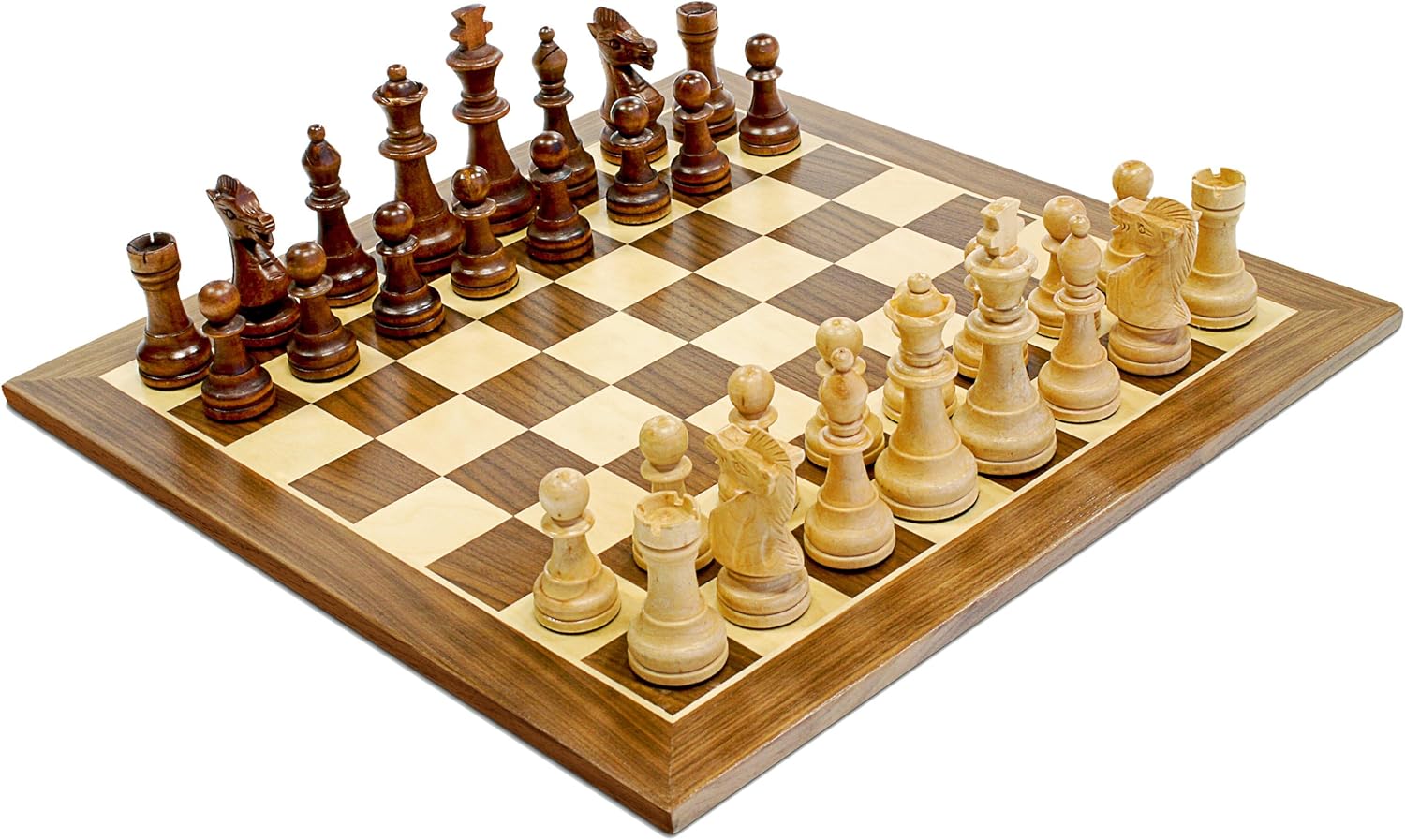
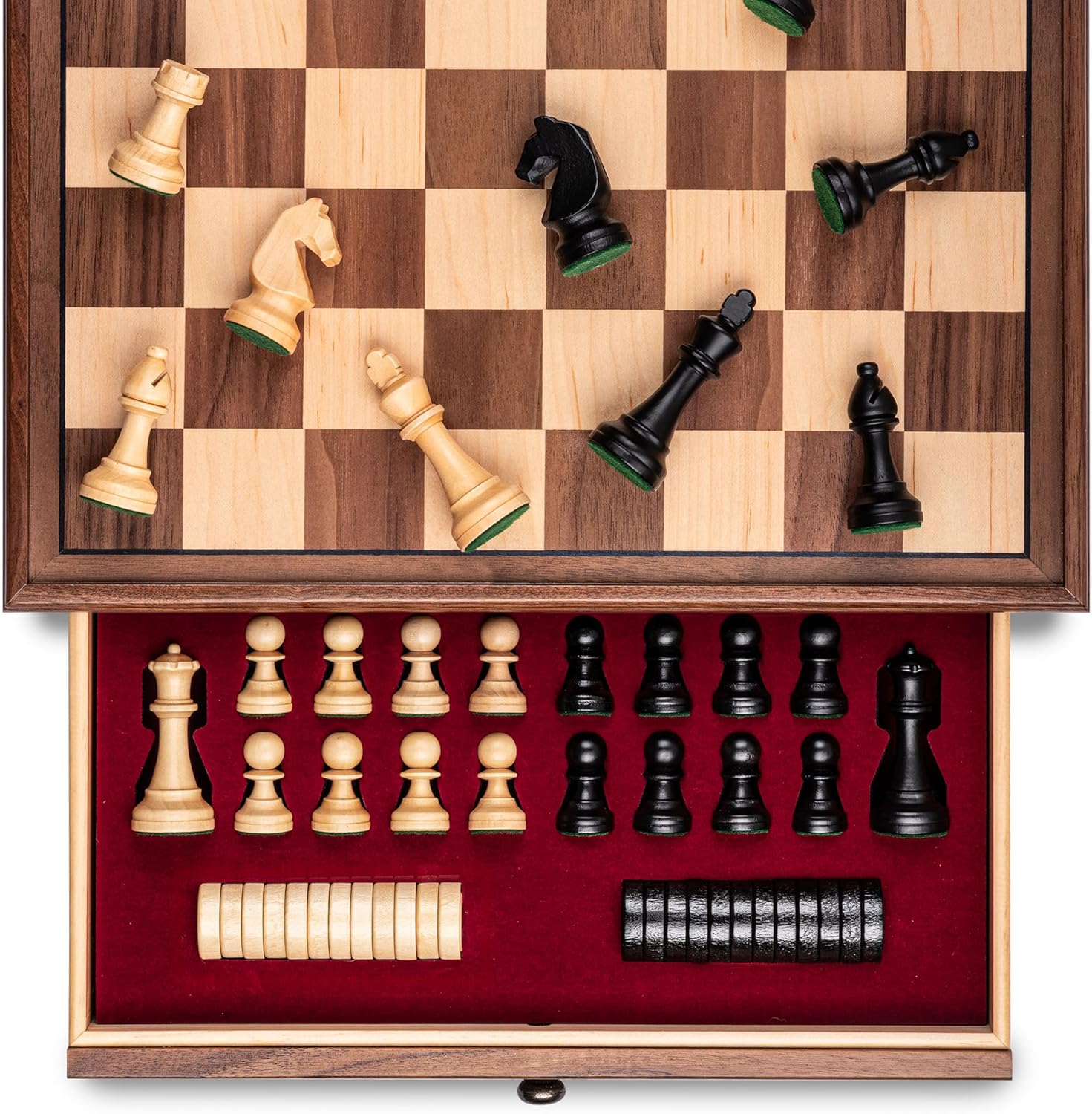
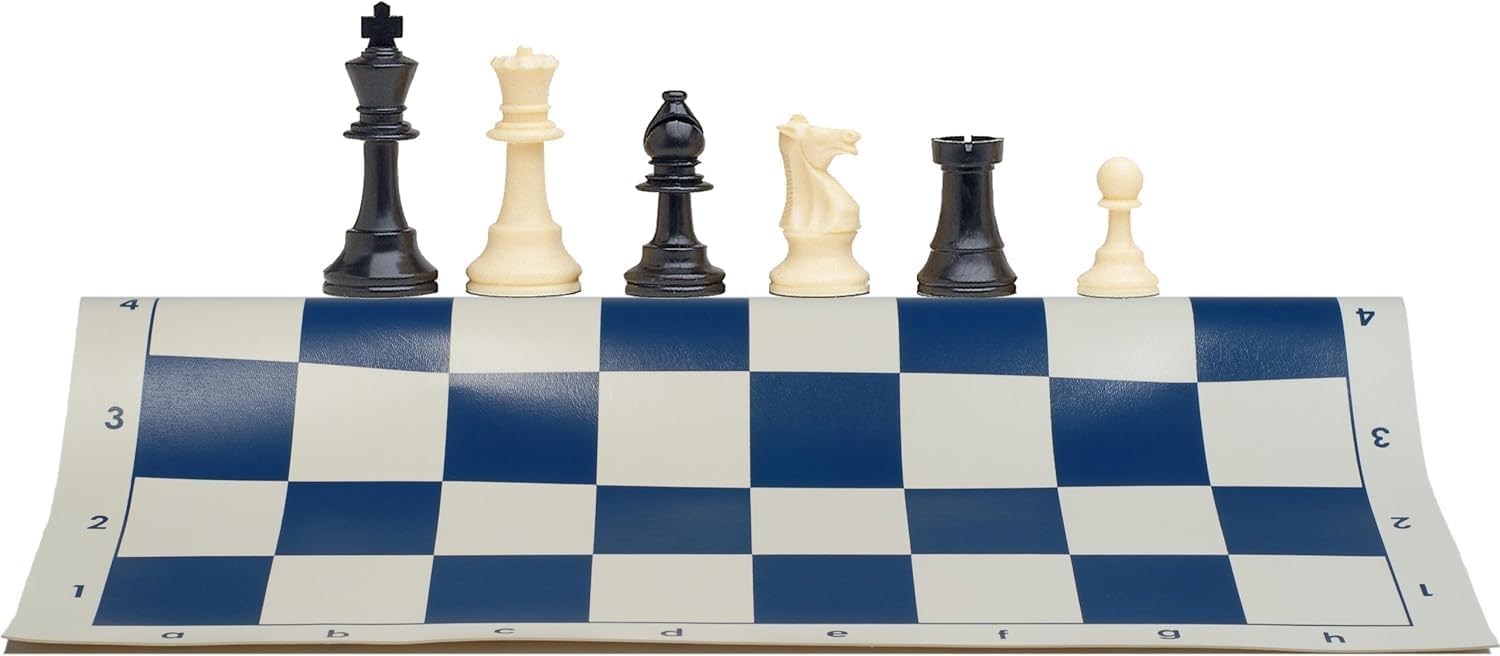
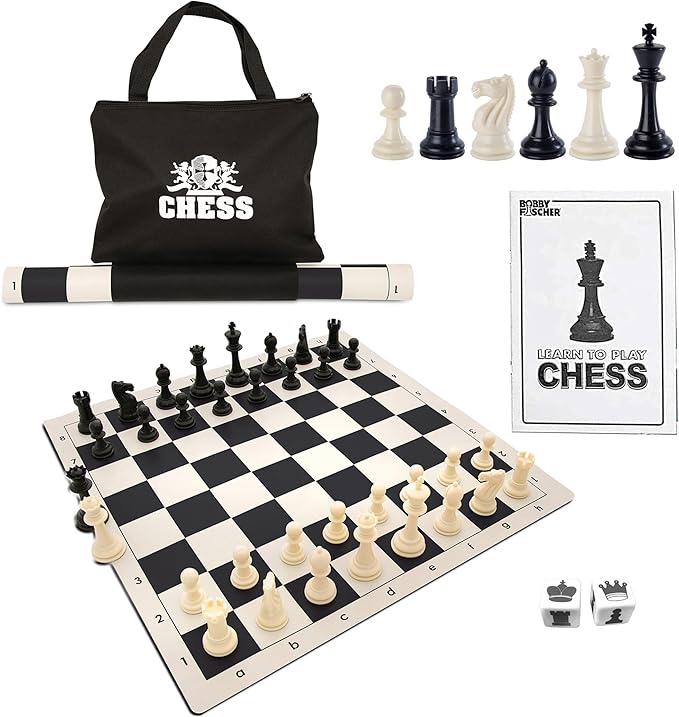
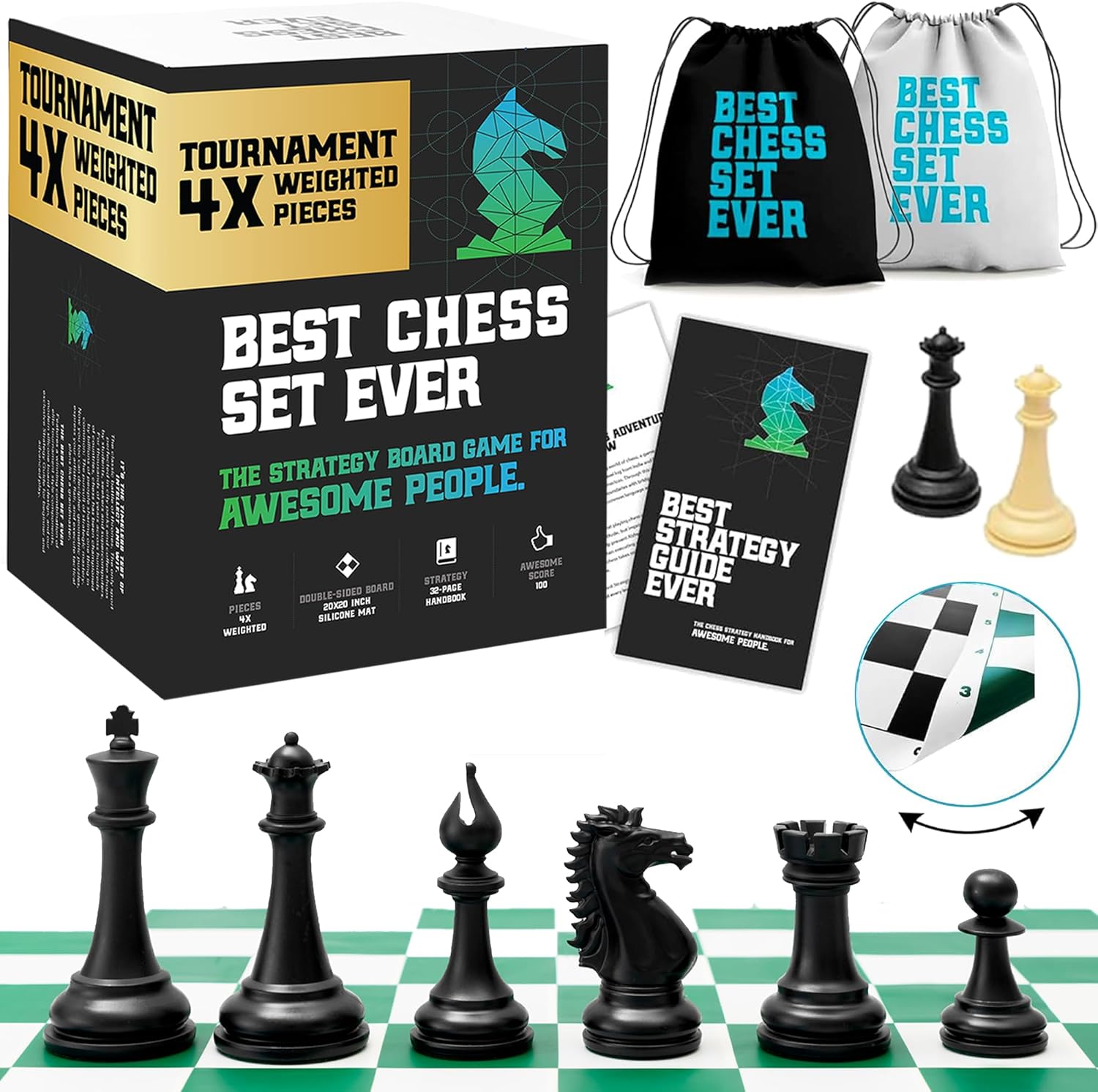
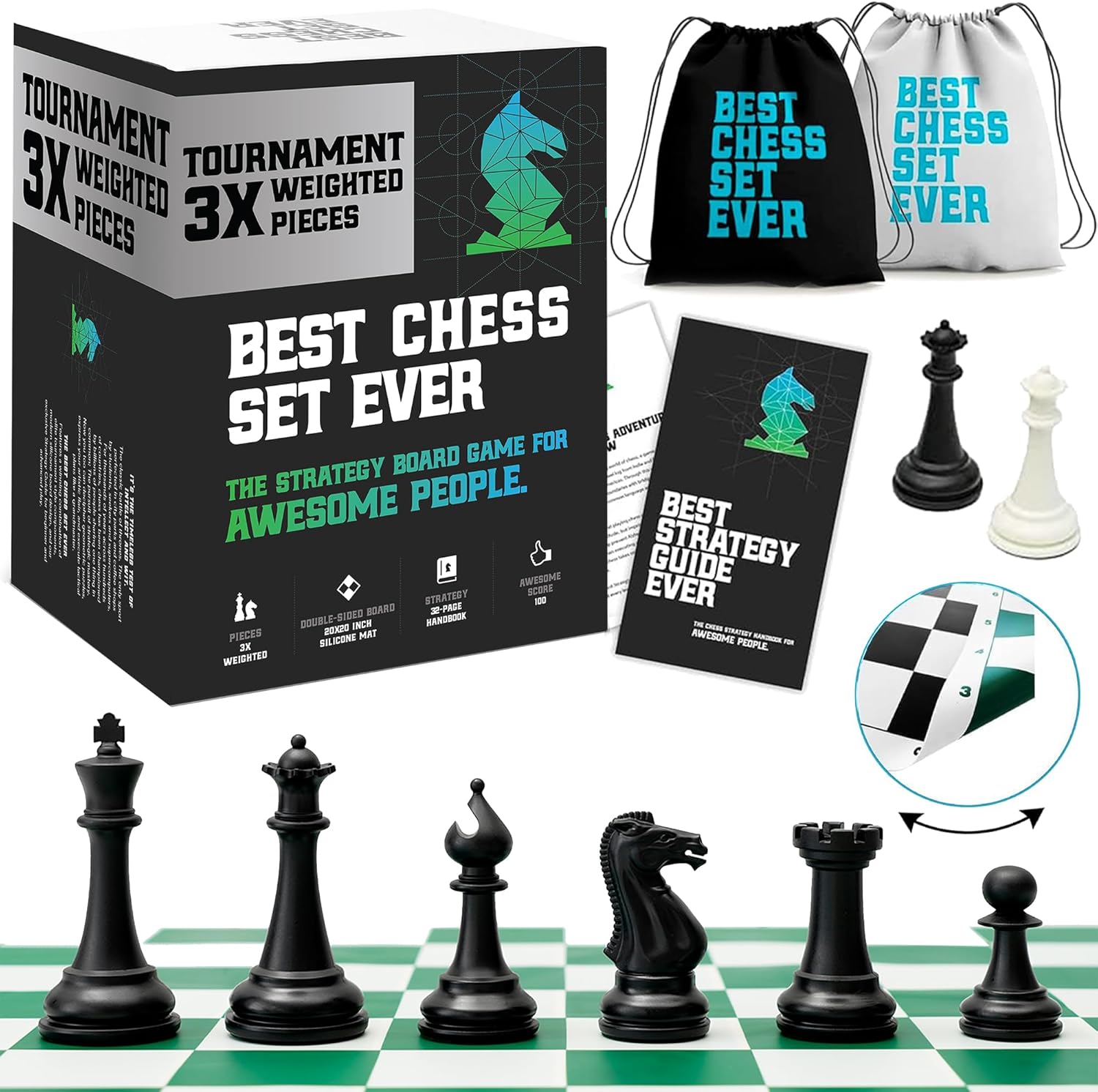
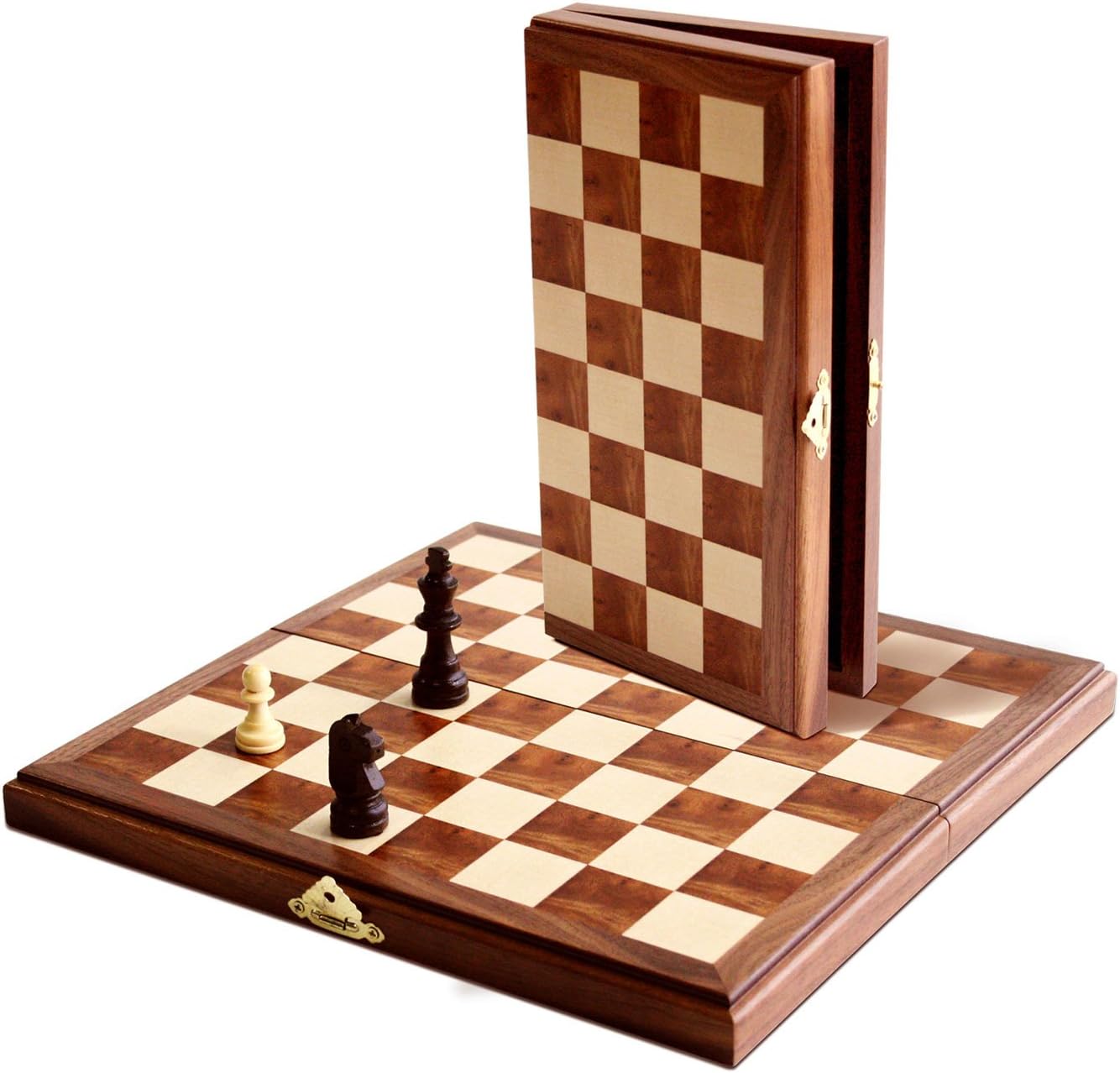
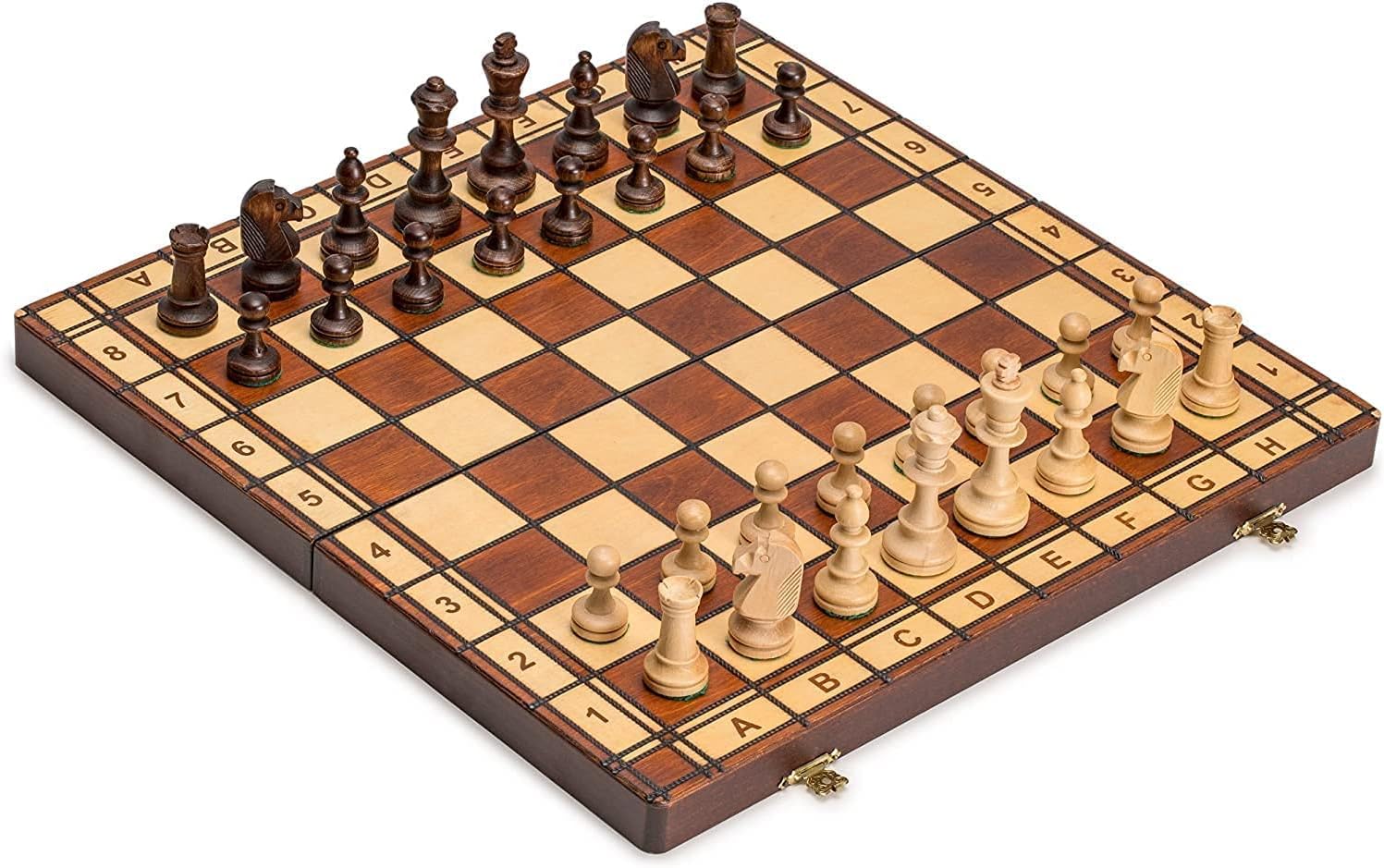
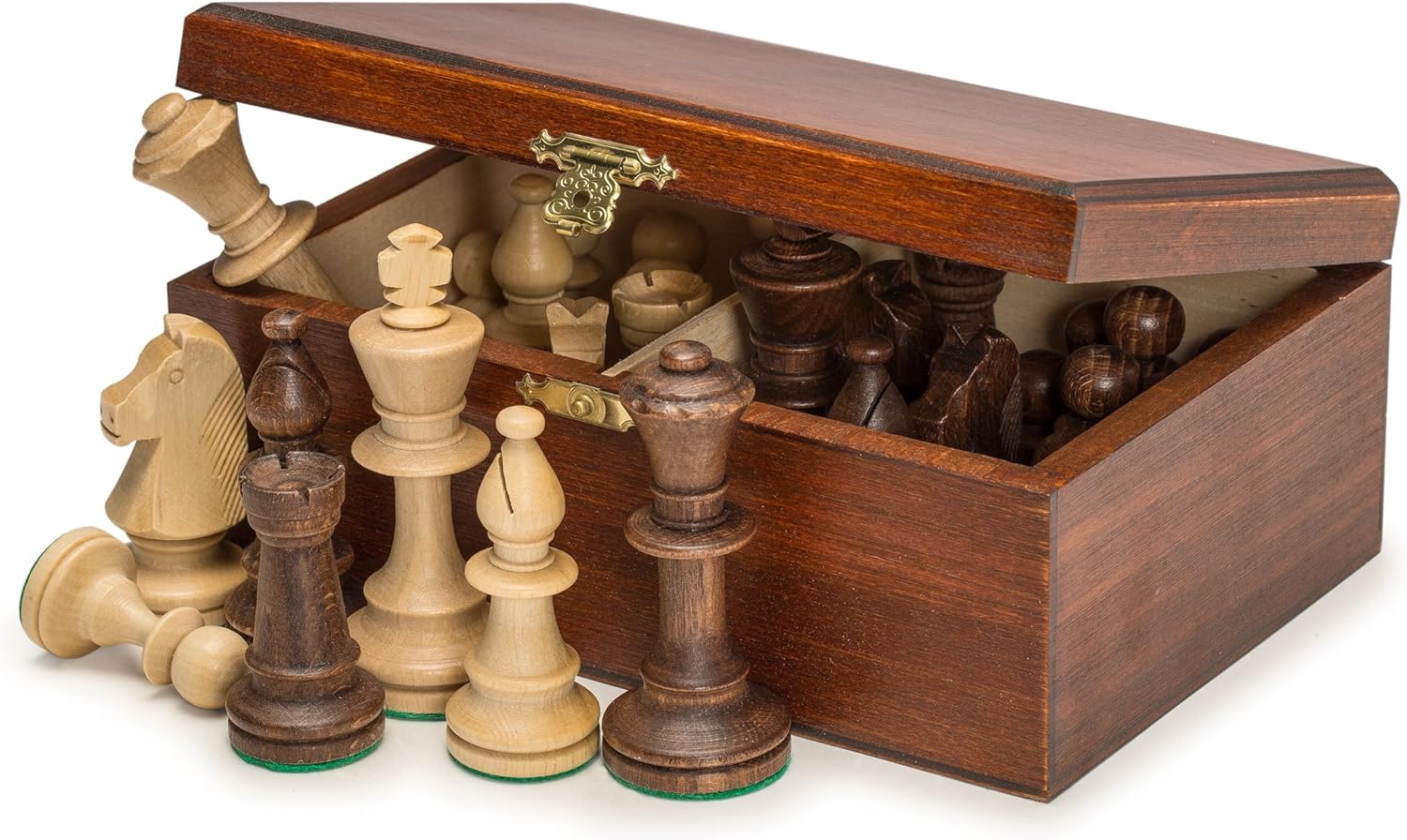
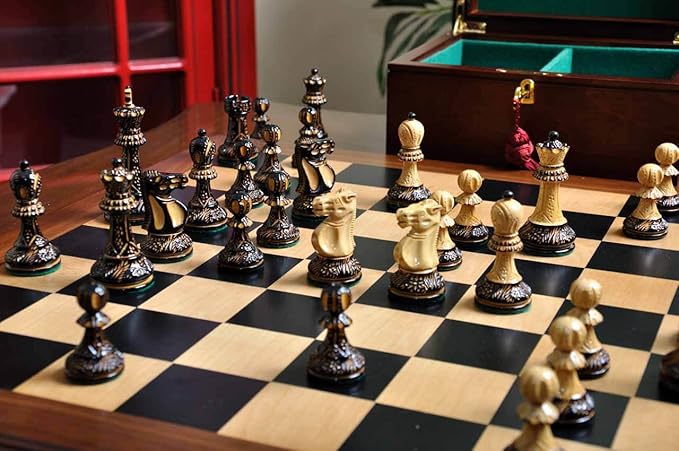
Pieces and boards together. From plastic club kits to hand-carved wooden tournament sets.

Boards Only

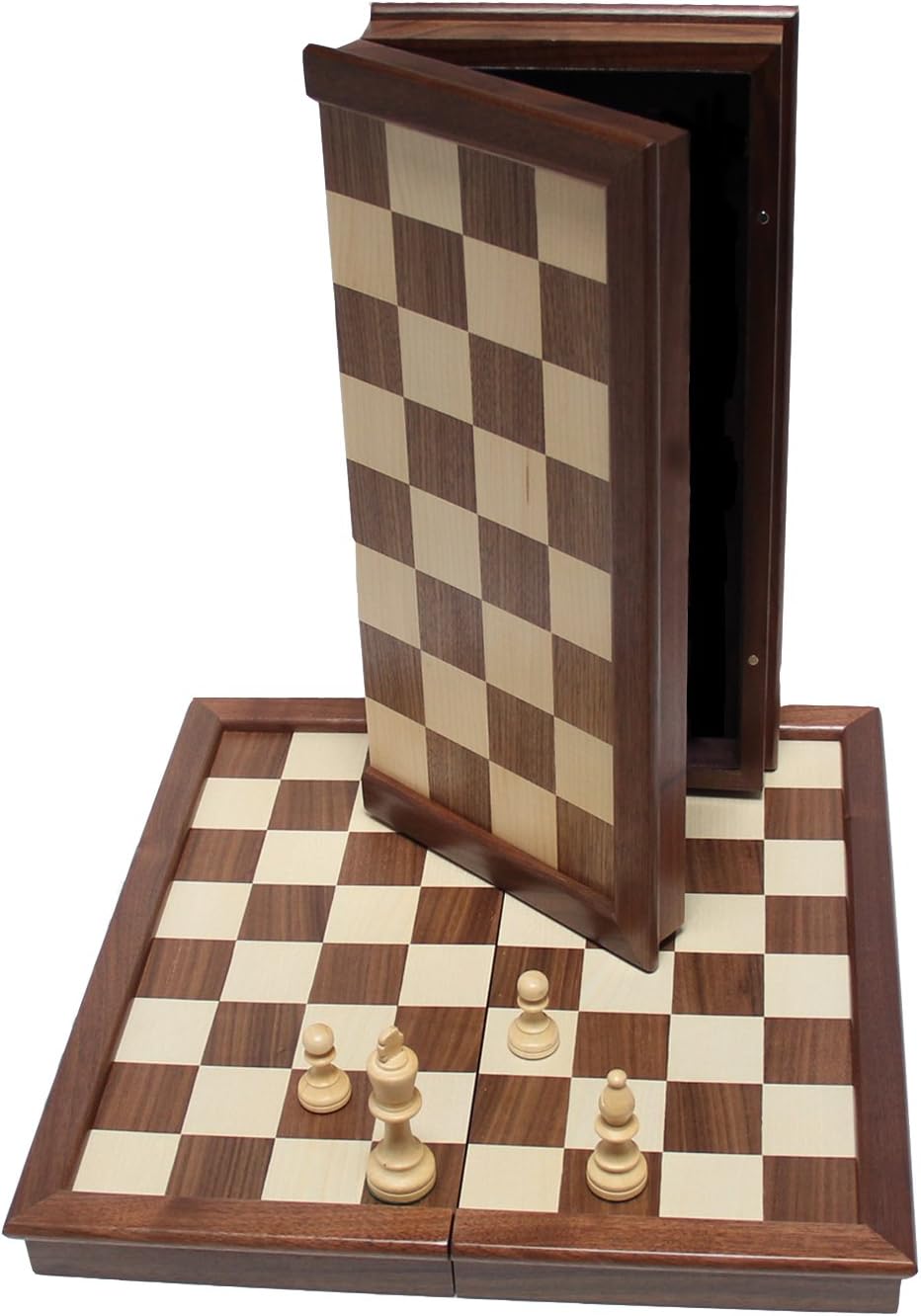
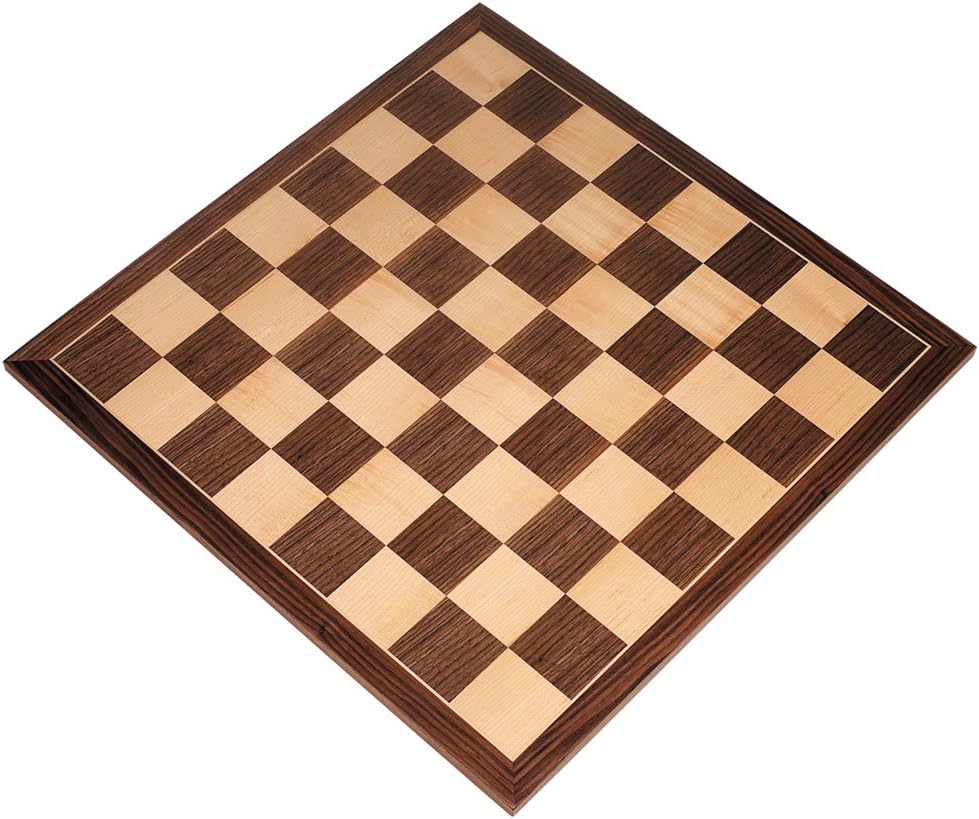
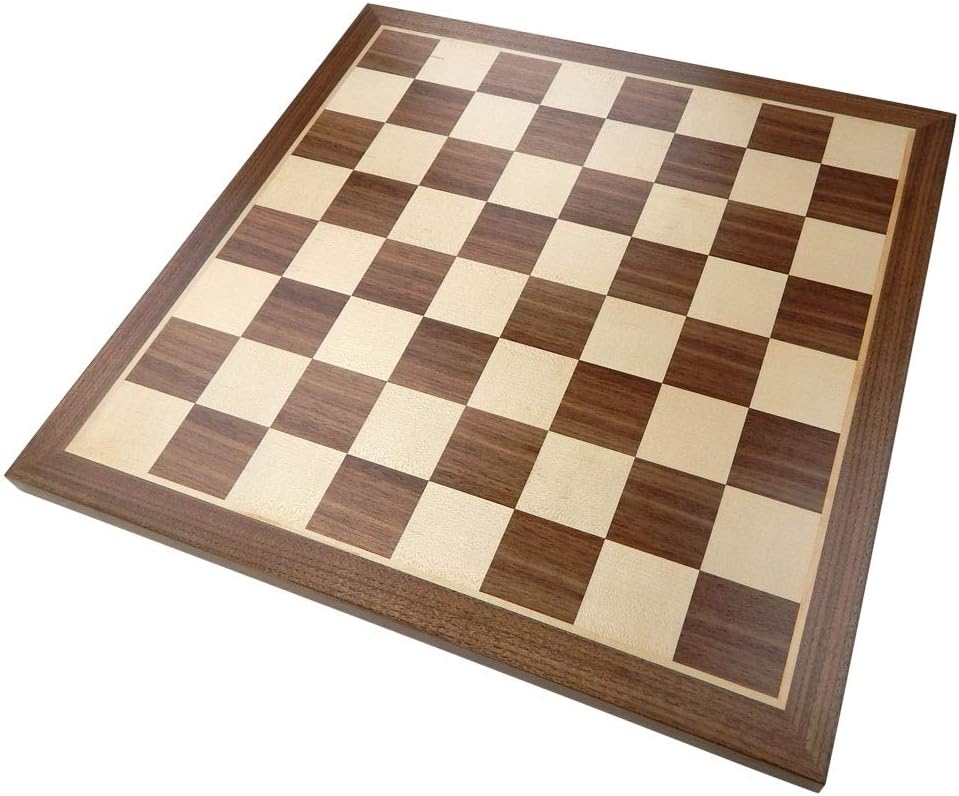
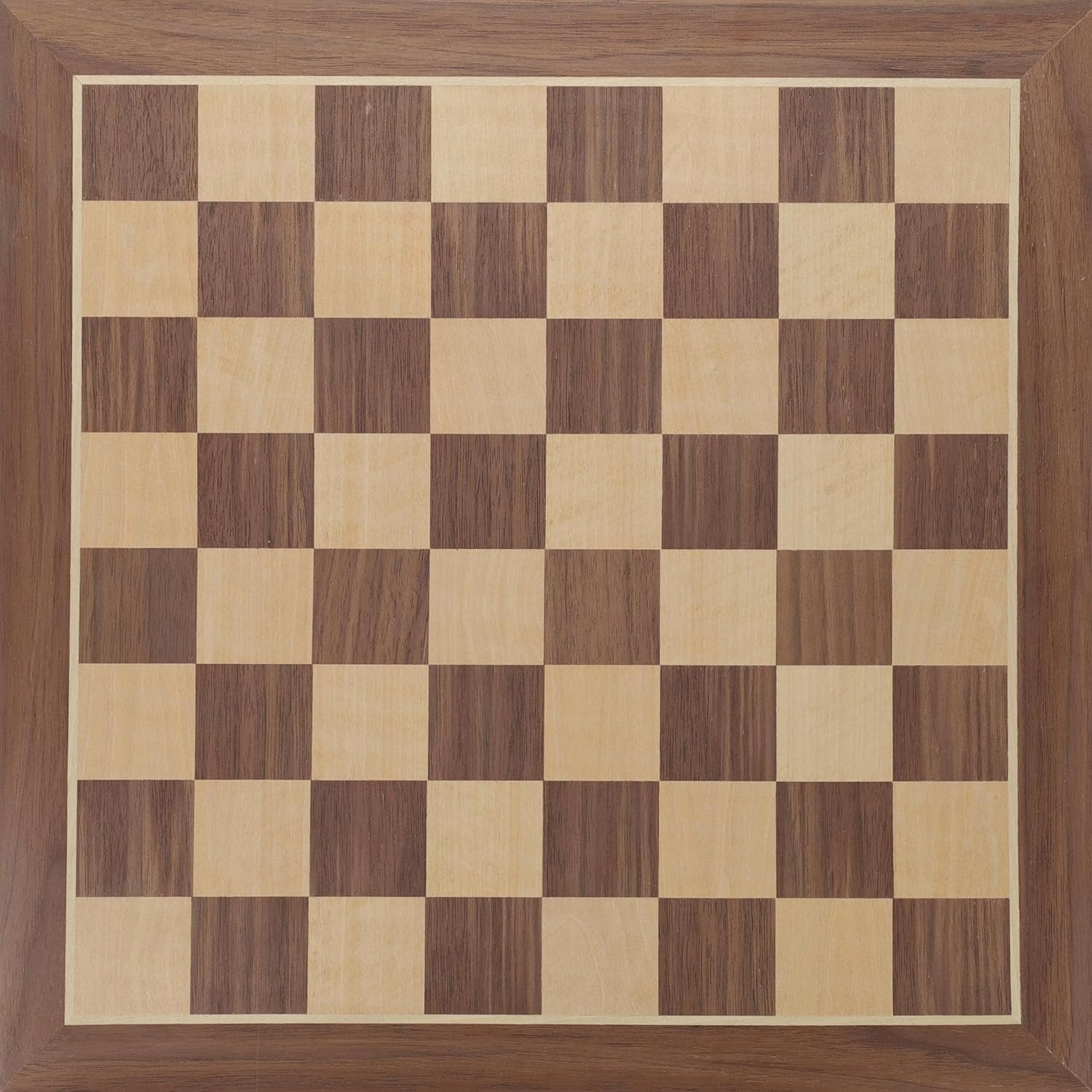
Standalone boards for players who own pieces or play tournament rated games.

Clocks

Tournament-grade timers and budget club clocks. The DGT line dominates rated play.

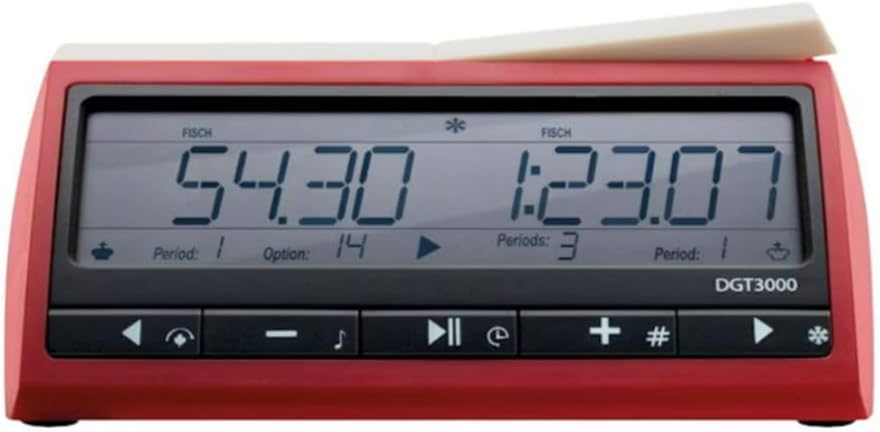
  • FIDE standard for European-administered events. Handles Fischer increment, Bronstein delay, Hourglass mode. The clock most international tournament directors specify.

    If you play outside North America, this is the clock.

    View on Amazon →
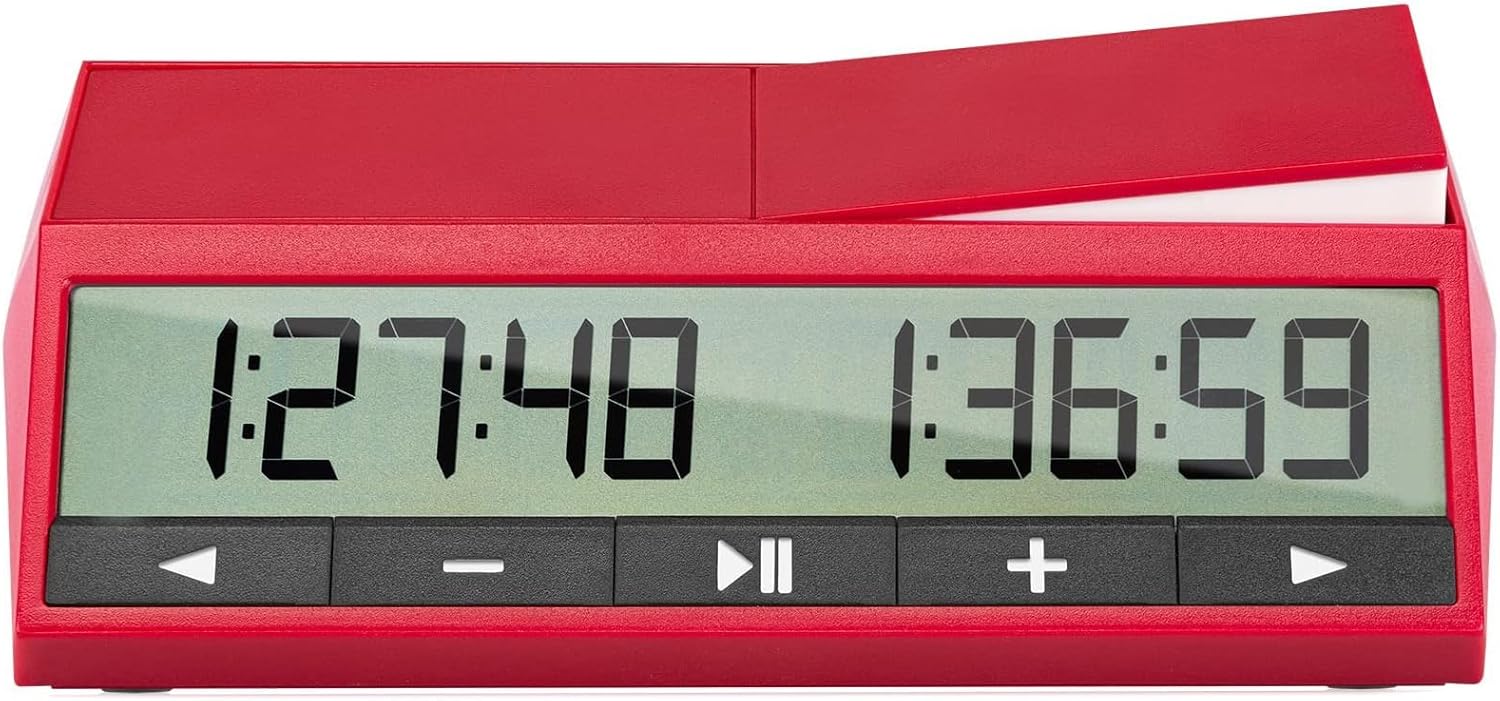
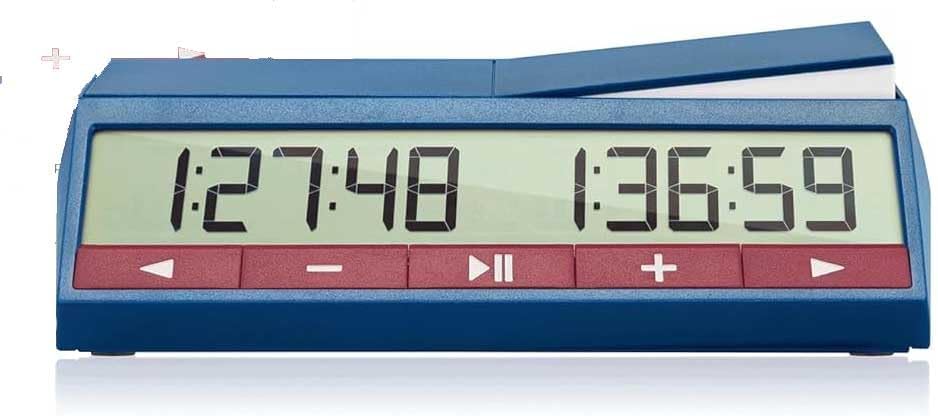
  • Newer FIDE-approved successor in the DGT line — clearer display, visible flag lever, low energy draw. Tournament red color identifies it as a competition clock.

    The replacement option if the DGT 3000 is unavailable. Same FIDE approval.

    View on Amazon →
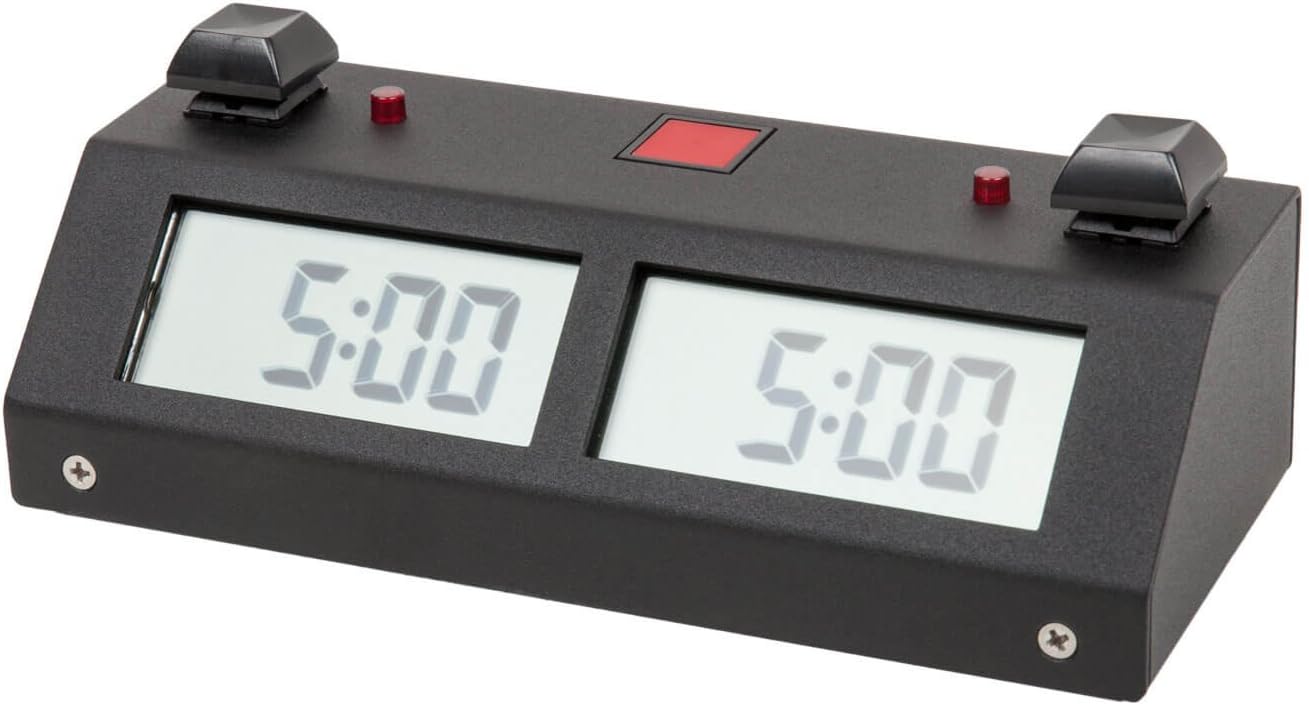
  • USCF standard for rated US play. Button-top model. Handles Fischer increment and Bronstein delay. Comparable build quality to DGT — geography decides.

    US club chess standard. Both this and the DGT 3000 are correct.

    View on Amazon →
  • DGT's American-market clock, refreshed 2024. 30 preset modes, larger display showing hours/minutes/seconds from move one. Built for USCF rated play; cheaper than the DGT 3000.

    The mid-tier DGT for North American players. New version is materially better.

    View on Amazon →
  • Entry DGT — front buttons, count-up timer, one-touch reset, large display. Doesn't handle Fischer increment, which rules it out for serious tournaments. Fine for casual timed play.

    Cheapest DGT. Right for home, wrong for rated tournaments.

    View on Amazon →
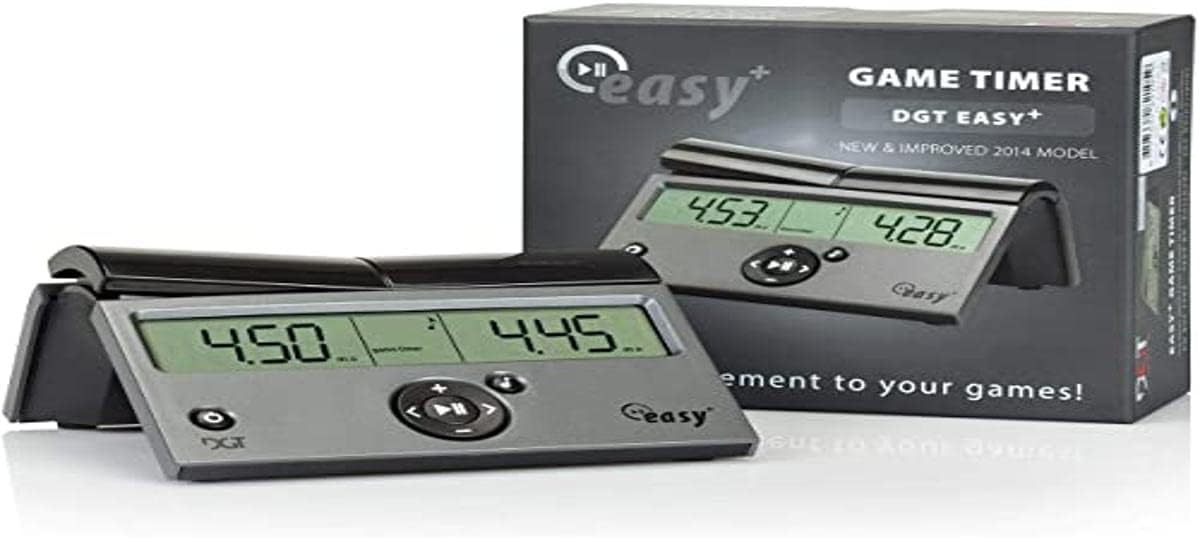
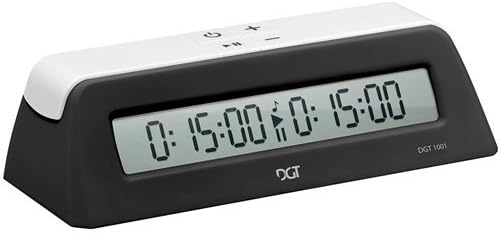
  • Stripped-down DGT timer designed for any two-player game (chess, Go, Scrabble). No Fischer increment. The chess-specific features are missing — buy this only if you also play other games.

    A DGT badge on a basic timer. Not a chess-specific tool.

    View on Amazon →
Chess Computers

Dedicated chess hardware — the modern equivalent of a sparring partner that never tires.

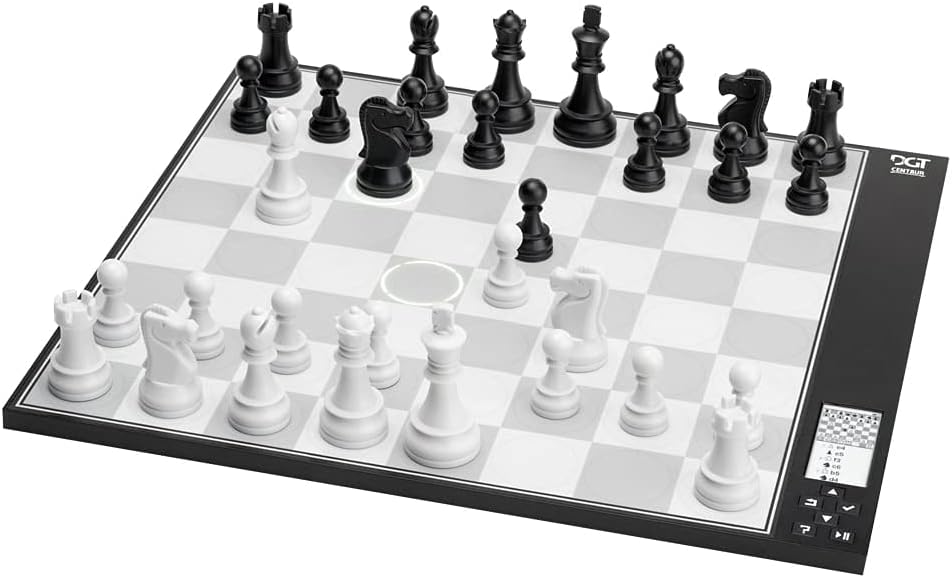
  • Dedicated chess hardware: 40×40cm sensor board, weighted physical pieces, LED move indicators, e-paper display, rechargeable battery. Adapts difficulty to your level rather than just running engine-strength sliders. Standalone — no phone or laptop required.

    The modern dedicated chess computer. Adaptive play is the differentiator.

    Usage: Used by club players for offline training and by parents teaching kids without screens.

    View on Amazon →
Books — Beginner

Start here. Tactics and endgames before openings.

Books — Tactics

Pattern recognition is the engine of tactical play. These titles drill it systematically.

  • Weteschnik realized that solving puzzles alone doesn't fix tactical weakness — players need a systematic explanation of how tactics arise from board geometry. Restructured second edition. For 1400-2000 players who solve puzzles but still miss tactics in their own games.

    If 'do more tactics puzzles' isn't working, this book explains why.

    View on Amazon →

Books — Strategy & Middlegame

Positional understanding. Read after you can spot a fork.

  • Silman's imbalance method: how to identify the specific advantages and disadvantages in any position and formulate a plan accordingly. The modern text for positional understanding.

    Required reading for 1400–1800. Changes how you think about positions.

    View on Amazon →
  • Nimzowitsch's foundational text, edited by Lou Hays into algebraic notation with added diagrams. The original source for blockade, prophylaxis, overprotection, and the whole hypermodern strategic vocabulary.

    Hard, opinionated, often funny. The book serious players actually finish.

    View on Amazon →
  • Pachman's compressed translation of his German classic. Covers active king, exchanges, pawn structures, the center, wing play, weak squares, attack and defense — examples drawn from Capablanca through Spassky.

    The Dover reprint is under $20. Strategy fundamentals from a Czech grandmaster theorist.

    View on Amazon →

Books — Endgame

The endgame is where rating points are won at club level.

Books — Openings

Study openings last, not first. After tactics and endgames.

Books — Annotated Games

Game collections — read these for the thinking, not as study material.

  • World Champion 1960–61 and the most unpredictable attacker of his era. His annotations are accessible, self-aware, and occasionally funny — rare qualities in chess literature.

    The best game collection for players around 1000–1400 who want to read chess rather than study it.

    View on Amazon →
  • Fischer's own annotations on 60 of his best games. No biographical context — just Fischer explaining how he thought about the positions. The Batsford/Pavilion algebraic notation edition.

    Fischer annotating Fischer. Dense, instructional, essential.

    View on Amazon →
  • How to study chess — opening prep method, game-analysis technique, what to do between tournaments. Aimed at 1200–2000 who study but don't improve as fast as they should.

    The most practical improvement book for players already past basics.

    View on Amazon →

Books — History & Biography

Champions, eras, the larger story of chess.

DiscussChess participates in the Amazon Associates program. Every "View on Amazon" link is an affiliate link — we earn a commission on qualifying purchases at no additional cost to you. ASINs are verified against the Amazon listing or Open Library before publication. For current customer ratings and reviews, click through to the Amazon page itself.