GCT SuperUnited Croatia 2026 Preview
The Grand Chess Tour's SuperUnited Rapid and Blitz Croatia runs June 29 to July 6 in Zagreb with 10 grandmasters. Praggnanandhaa arrives fresh from Norway Chess. Gukesh, last at Oslo, comes as a wildcard. Abdusattorov is the biggest wildcard threat.
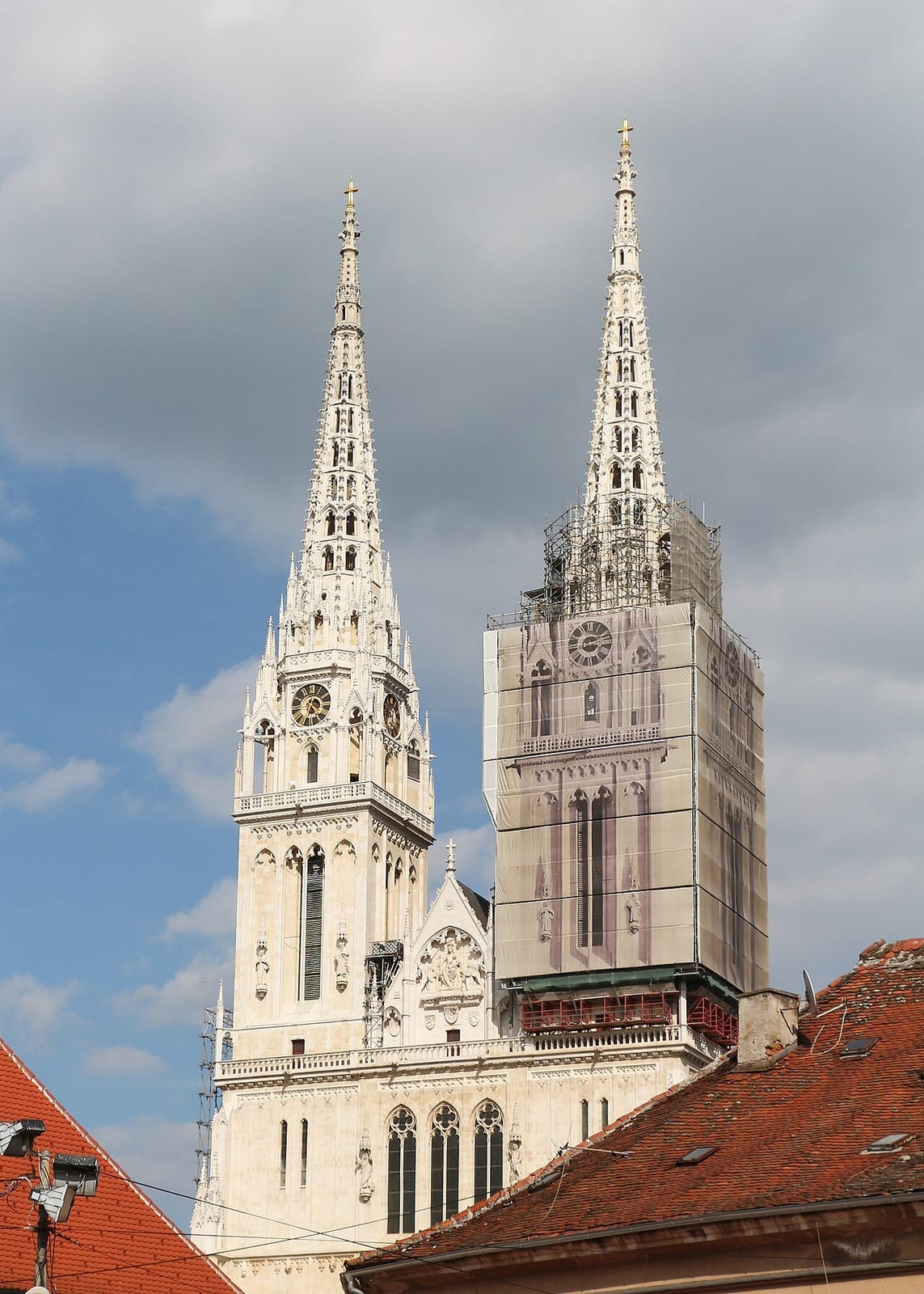
Three weeks after Praggnanandhaa R walked out of Oslo as Norway Chess 2026 champion, he walks into Zagreb as one of the favorites for the GCT SuperUnited Rapid and Blitz Croatia. The event runs June 29 to July 6 at The Westin Zagreb. Ten grandmasters, $200,000 in prize money, 27 rounds: a rapid round-robin of nine games, then two blitz round-robins of nine games each.
The storylines almost write themselves. The Norway Chess winner versus the Norway Chess last-place finisher (Gukesh, the reigning world champion, who comes as a wildcard). The leading wildcard threat from the world’s top five (Nodirbek Abdusattorov, ranked fourth). An event where the rapid/blitz skill set scrambles the classical hierarchy entirely.
The field
Full-tour players (6): Praggnanandhaa R, Alireza Firouzja, Vincent Keymer, Anish Giri, Maxime Vachier-Lagrave, Jordon van Foreest.
Wildcards (4): Nodirbek Abdusattorov (world #4), Gukesh D (world #15, reigning world chess champion), Bogdan-Daniel Deac, Ivan Saric.
Notable absences: Fabiano Caruana (GCT tour points leader with 20 points after Romania), Wesley So (second in the tour standings at 15.5). Neither is in the Croatia field, meaning Keymer (13 points in the tour) enters as the highest-ranked GCT regular here.
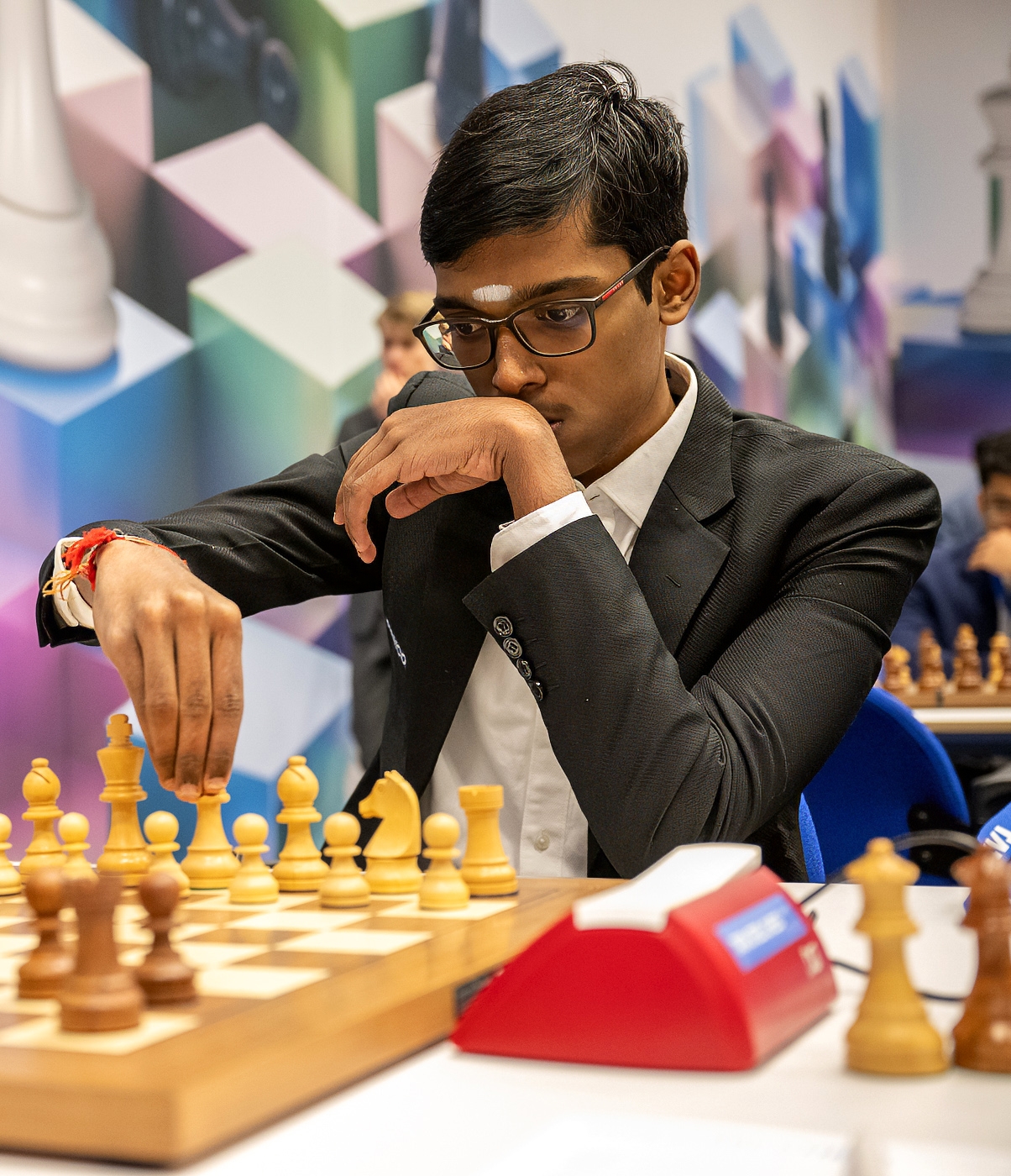
The format: rapid first, blitz second
Croatia runs in two phases. The rapid round-robin (nine rounds, 15 minutes + 10 seconds increment) runs June 29 to July 3. The two blitz round-robins (nine rounds each, 3 minutes + 2 seconds increment) run July 4 to 6. Points combine across all three events for the final standings.
This matters because the skill sets are different. Some players are strong at rapid but weaker at blitz (Giri, van Foreest). Others are deadly at both (Abdusattorov, Firouzja). Pragg has shown he can win at any time control, having won the Speed Chess Championship while also winning two classical super-tournaments in the last 18 months.
Player-by-player breakdown
Praggnanandhaa R comes in with the most momentum. Four classical wins in a row at Norway Chess, including a 98-accuracy score against Carlsen in Round 8, means he’s reading the board well right now. Rapid chess rewards exactly the kind of deep calculation he showed in Oslo. His concern: he played almost no speed chess in the weeks before Croatia, spending everything on classical preparation.
Nodirbek Abdusattorov is the most dangerous wildcard. He’s ranked fourth in the world, won the 2021 World Rapid Championship at age 17, and has since developed one of the most complete rapid-and-blitz skill sets on the circuit. He played as a wildcard at Croatia in 2025 too. Don’t be surprised if he wins it outright.

Gukesh D is the wildcard in the narrative sense too. Three weeks ago he finished last at Norway Chess with 8.0 points. Three weeks before that he was the reigning world chess champion who beat Ding Liren in one of the great championship matches of the decade. Which version shows up in Zagreb? He’s 18. The short turnaround between events at this level is a legitimate factor, especially in rapid and blitz where preparation matters less and form matters more.
Alireza Firouzja finished third at Norway Chess with 15.5 points and has been in the top tier of GCT events for several years. His blitz is particularly strong: aggressive, fast, intuitive. Zagreb suits him.
Vincent Keymer had a decent Norway Chess (fourth, 13.0 points, ahead of Carlsen) and won the GCT Romania classical event earlier this year. He’s strong at rapid, less dominant in blitz.
Anish Giri won the 2025 SuperUnited Croatia, which makes him the defending champion. His rapid is methodical and patient, exactly the kind of style that converts advantages in longer time controls. His blitz is less aggressive than Firouzja or Abdusattorov but he can be dangerous in must-win situations.
Ivan Saric is the Croatian wildcard, playing on home soil in front of what will likely be his largest domestic crowd. He’s a 2700+ grandmaster who knows the format well. Unlikely to win outright but capable of upsetting anyone on a given day.
The GCT standings context
SuperUnited Croatia is the third stop of the 2026 Grand Chess Tour season, and the event contributes to the overall standings. Current tour standings before Croatia:
| Player | Points |
|---|---|
| Fabiano Caruana | 20.0 |
| Wesley So | 15.5 |
| Vincent Keymer | 13.0 |
| Javokhir Sindarov | 10.5 |
| Alireza Firouzja | 7.0 |
| Maxime Vachier-Lagrave | 7.0 |
Caruana and So aren’t in Zagreb. The Croatia points could reshuffle the standings significantly for the players who are here. Keymer entering as the highest-ranked tour player gives him a chance to build a meaningful lead over Firouzja and MVL.

Watch list
Pragg vs Abdusattorov. Both in top form, different playing styles. Pragg’s classical preparation-heavy approach meets Abdusattorov’s instinctive rapid-first game. The direct head-to-heads in the rapid section will tell a lot.
Gukesh’s first three games. If he comes out settled and confident, the Norway Chess result was a blip. If the first few rounds show the same passive decision-making that cost him in Oslo, the story becomes more complicated. Those early games set the narrative.
Firouzja in blitz. The French-Azeri GM is often at his best when the clock forces decisions. His blitz record in GCT events over the past two years is exceptional. If the rapid goes poorly, he’s the kind of player who can recover entirely in blitz.
Ivan Saric and Bogdan-Daniel Deac as disruptors. Both can win games against anyone and may cost favorites points at crucial moments.
Broadcast and schedule
Games start at 3:00 PM local time (CET) each day. You can follow live games on Lichess (the official GCT broadcast partner) and Chess.com. The Saint Louis Chess Club’s YouTube and Twitch channels carry daily commentary from GM Yasser Seirawan, GM Cristian Chirila, and IM Nazi Paikidze.
For the complete day-by-day schedule, check the Grand Chess Tour official site.

Equipment for rapid and blitz practice
If you’re following the Croatia event and want to improve your own speed chess, the right clock matters. The Chronos GX is the clock most club players choose for rapid and blitz. The tactile buttons hold up to speed play, the display is readable at a glance, and the preset memory covers every time control from 3+2 to 90+30. Our best chess clock guide covers the full comparison.
For players who want to develop the rapid-chess positional understanding that lets you make good decisions quickly, Silman’s How to Reassess Your Chess remains the most direct path. Knowing which imbalances favor you eliminates the need to calculate from scratch every move.
Sources
This page contains affiliate links. As an Amazon Associate, DiscussChess earns from qualifying purchases.
Sources
Further reading
- Chronos GX Digital Chess Clock ASIN verified via Amazon 2026-05-02. The Chronos GX is the clock many players prefer for rapid and blitz practice. Tactile and precise, excellent for time-scramble training.
- How to Reassess Your Chess, Jeremy Silman (4th edition) ASIN verified via Open Library 2026-05-02. Silman's method for understanding imbalances is particularly useful for rapid chess, where positional clarity replaces deep calculation.