Nodirbek Abdusattorov: World Rapid Champion
Nodirbek Abdusattorov won the World Rapid Chess Championship in 2021 at 17 years old, beating Magnus Carlsen in a playoff. He became the first Uzbek player to break 2700 FIDE and is consistently ranked in the world's top 10.
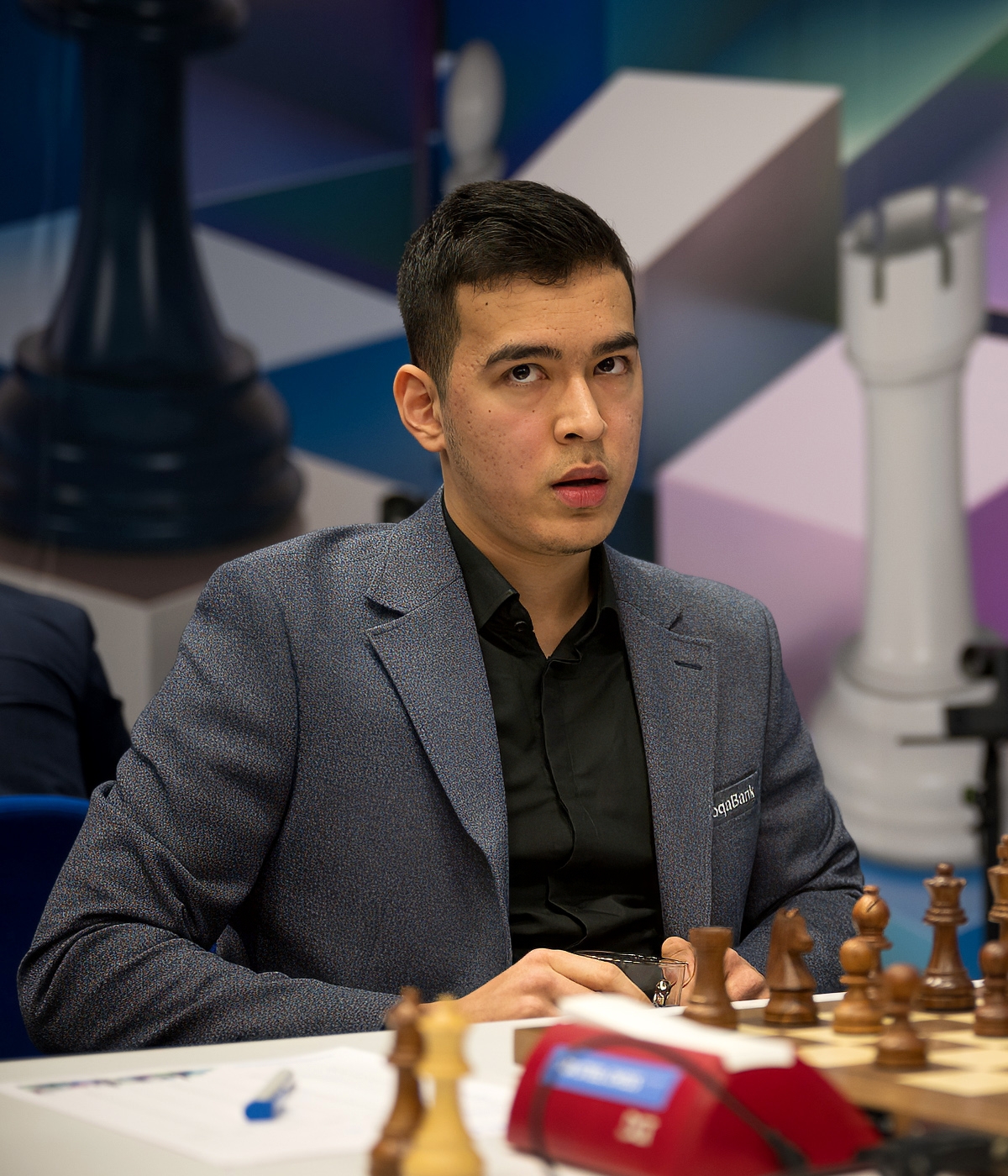
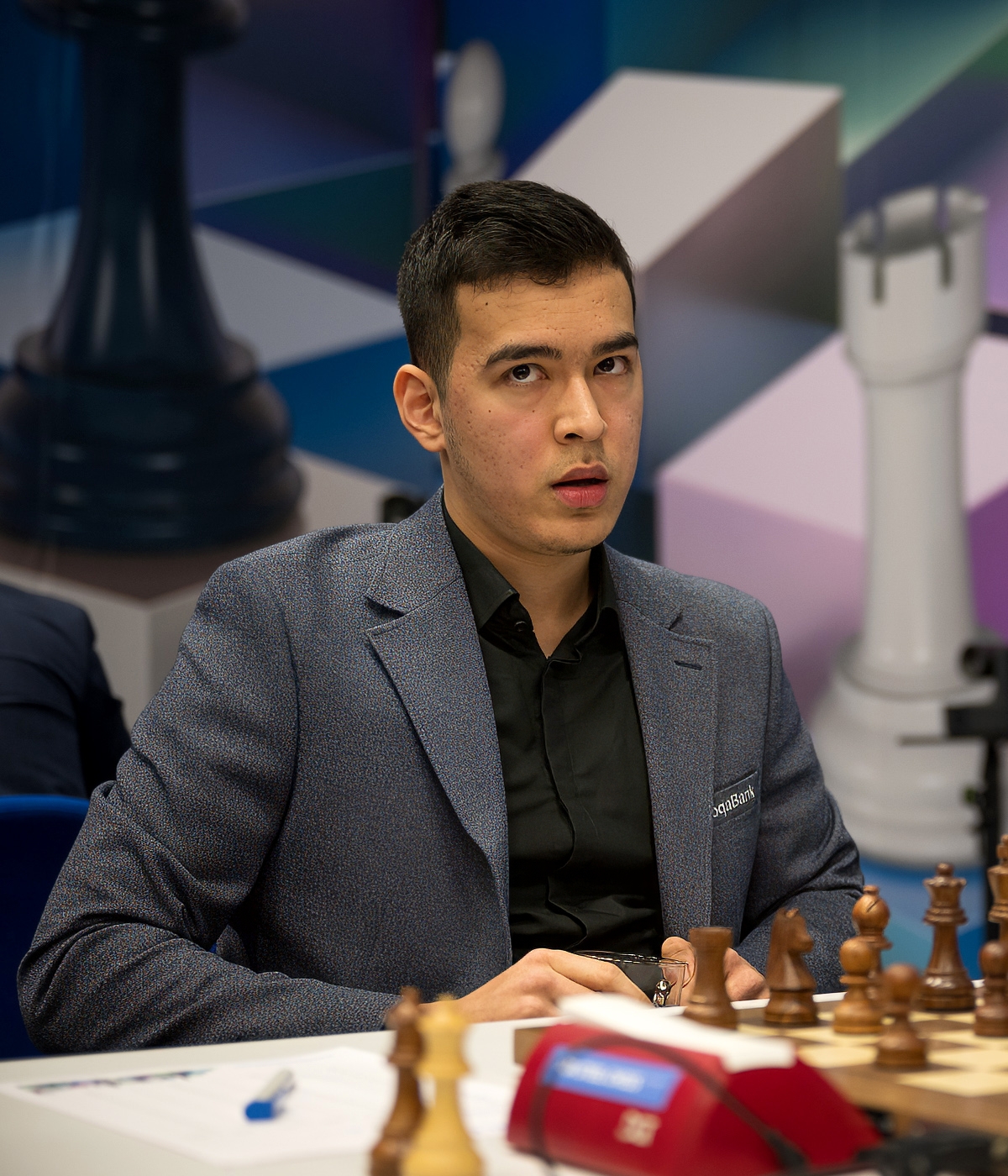
Nodirbek Abdusattorov was born September 18, 2004, in Tashkent, Uzbekistan. He won the World Rapid Chess Championship in Warsaw in December 2021 at 17 years old, beating Magnus Carlsen 1.5–0.5 in the playoff tiebreak to claim the title. He was the youngest world rapid champion in history at the time and the first Uzbek player to break 2700 FIDE classical rating.
He’s been ranked inside the world’s top 10 since 2024, with a peak rating of 2783 reached in October of that year. Uzbekistan, which had a strong chess tradition during the Soviet era but hadn’t produced a player at this level in decades, now has multiple grandmasters inside the world’s top 50, a revival that parallels what happened in Indian chess a few years earlier.
A prodigy even by prodigy standards
Abdusattorov’s rise was fast even measured against the current generation of teenage grandmasters. He won the Under-8 World Youth Championship in Maribor, Slovenia, in 2012, at age 7. By 9, in 2014, he was already beating titled grandmasters, defeating Andrey Zhigalko and Rustam Khusnutdinov at the Georgy Agzamov Memorial. In May 2015, at 11, he became the youngest player ever to enter the world top 100 junior rankings. FIDE awarded him the full grandmaster title in April 2018, when he was 13 years, 1 month, and 11 days old, at the time one of the youngest GM titles in history and still the fastest ever earned by an Uzbek player.
The 2021 World Rapid Championship
The event was held in Warsaw in December 2021, a 15-round Swiss. Abdusattorov and Carlsen finished tied at the top with 9.5/13. In the two-game playoff tiebreak, Abdusattorov won the first game and drew the second, 1.5–0.5. At 17, he beat the strongest player in the world, at the time riding a run of major rapid and blitz titles, to claim the crown.
Rapid chess rewards players who calculate quickly under time pressure and carry a wide, flexible opening repertoire, and both describe Abdusattorov’s game precisely. The result wasn’t a lucky upset; it was a player with elite rapid instincts beating another elite rapid player on a given day, in a format where the margins are thin enough that either result would have been unsurprising.
The decisive game in the playoff, Round 10 of the main event, with Abdusattorov as White, is below. An English Four Knights that converts into a technical rook-and-pawn endgame, where Abdusattorov’s precise play eventually overcomes Carlsen’s defensive resources across 83 moves.
Abdusattorov, Nodirbek White Carlsen, Magnus Black


Building a classical resume
The rapid title made him famous; the classical results built the case that he belongs among the world’s best regardless of time control. He crossed 2700 FIDE classical, the first Uzbek player to do so, and delivered his signature Olympiad performance at the 2022 Chennai Olympiad, playing board one for Uzbekistan: an individual silver medal, +7−1=3 for a 2803 performance rating, while the team won gold, Uzbekistan’s first Olympiad title. He tied for second at Tata Steel Masters in January 2023 with 8/13, level with Carlsen, and won the Prague International Chess Festival outright the following February with a 2783 tournament performance, the result that carried his rating to its October 2024 peak of 2783 and a world ranking of No. 4 that April, the highest of his career so far. He has not yet reached a Candidates Tournament, but he has been a fixture in elite round-robins and Grand Chess Tour events since 2022, the natural pipeline toward one.
He has kept adding rapid and blitz silverware alongside the classical progress. He finished runner-up at the 2025 World Blitz Championship, beating Arjun Erigaisi in the semifinal before losing the final to Carlsen, and closed 2025 by winning the London Chess Classic outright with a round to spare, 7.5/9. He opened 2026 by winning the Tata Steel Masters section in Wijk aan Zee, 9/13, and followed it in March by winning the Prague International Chess Festival Masters section again. As of July 2026 his rating stands at 2766, ranked No. 6 in the world.
Playing style
Abdusattorov doesn’t play a narrow, deeply memorized repertoire the way many of his generation do. He shifts between openings freely, comfortable in the English, the Catalan, and open Sicilians alike, and the trait that shows up most often in commentary on his games is speed of decision: he tends to use his clock evenly rather than banking time for a critical moment later, trusting that his calculation under pressure will hold up as well in move 35 as it did in move 15. That’s the exact skill set rapid chess rewards most, and it’s why his results in faster time controls have consistently outpaced even his strong classical rating. Commentators have compared his unfussy, practical decision-making to an older, pre-engine style of play, more instinct and calculation than database recall, which stands out in a generation of players raised on engine preparation from childhood.
Classical chess and Uzbekistan’s revival
Abdusattorov’s trajectory suggests he’ll be a regular contender at the top of world chess for the next decade, and he isn’t alone. Javokhir Sindarov, born the year after him, won the 2025 Chess World Cup and earned a spot in the 2026 Candidates cycle. Multiple Uzbek players now sit inside the world’s top 50, a critical mass that mirrors what happened in Indian chess a few years earlier: a handful of strong players training and competing against each other creates the environment that produces the next handful, and the next generation arrives faster than the one before it.
His 2021 title win over Carlsen made him a national figure in Uzbekistan well beyond chess circles, the kind of result a country with modest chess infrastructure doesn’t produce by accident. Combined with Sindarov’s rise a few years behind him, it’s the clearest sign yet that Uzbekistan’s talent pipeline is no longer a one-player story.
For more on the wave of young grandmasters reshaping elite chess, see Gukesh Dommaraju’s title run, R Praggnanandhaa’s rise through the same generation, and Magnus Carlsen’s own career for the standard every one of them is still measured against.
Sources
- FIDE Rating Profile, Nodirbek Abdusattorov
- FIDE World Rapid Championship 2021
- Nodirbek Abdusattorov, Wikipedia (cross-checked against cited primary sources)
- Silman, Jeremy. Silman’s Complete Endgame Course. Siles Press, 2007. (affiliate)
This page contains affiliate links. As an Amazon Associate, DiscussChess earns from qualifying purchases.
Sources
Further reading
- Silman's Complete Endgame Course, Jeremy Silman ASIN verified via Open Library 2026-05-02. Technical endgame precision is the foundation of Abdusattorov's rapid-chess accuracy.