US Chess Championship: History and Champions
The US Chess Championship dates to 1845: the oldest national championship in the world. Bobby Fischer won it eight consecutive times. Today it's held in St. Louis, with Fabiano Caruana and Hikaru Nakamura dominating the modern era.
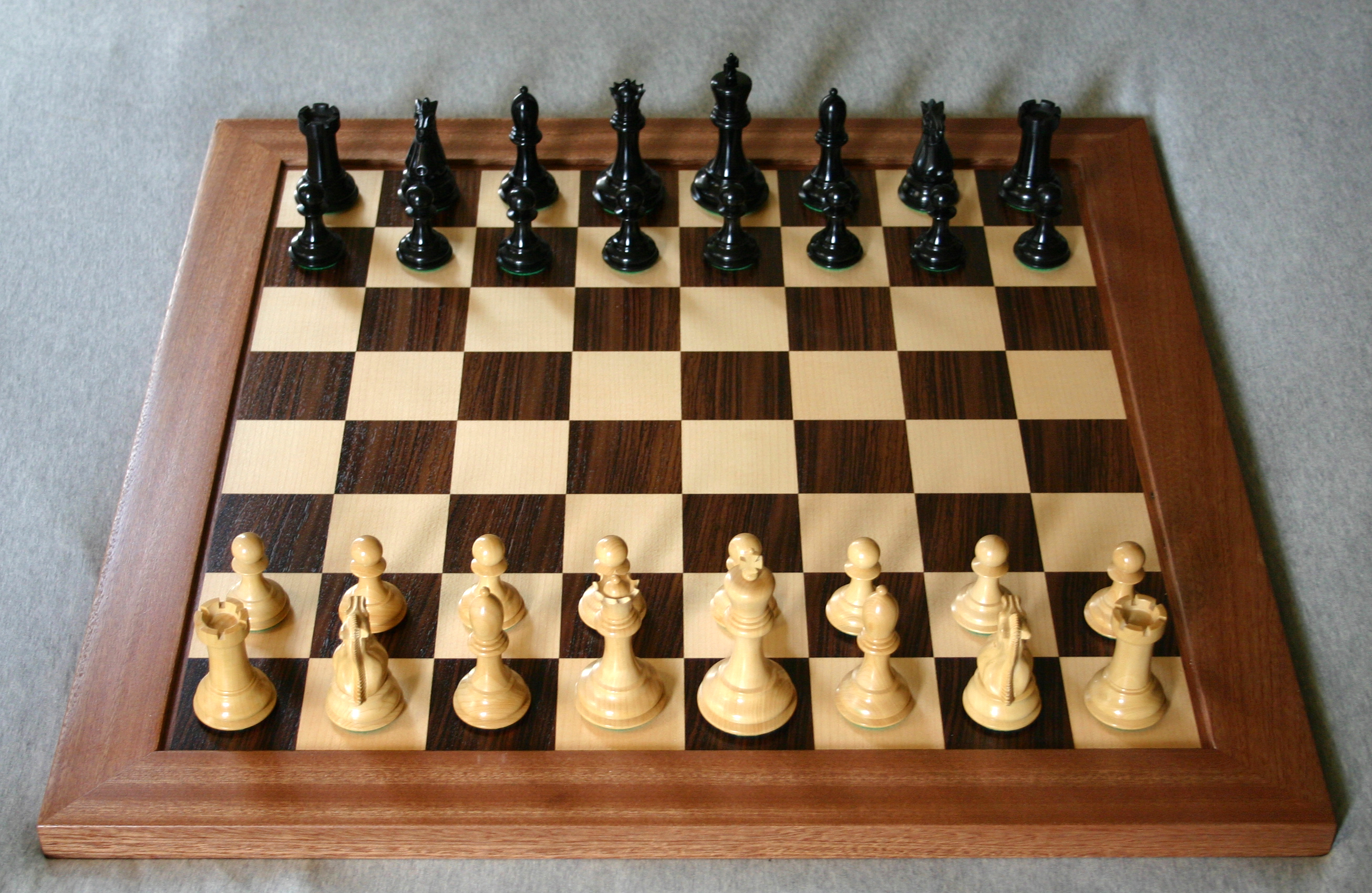
The US Chess Championship began in 1845, making it the oldest national chess championship in the world. Bobby Fischer won it eight times running, every edition he entered between 1957 and 1967, including a perfect 11–0 in 1963–64 that no one has since approached. Today the event is held annually at the Saint Louis Chess Club, where Rex Sinquefield’s endowment transformed St. Louis into the center of American competitive chess.
Hikaru Nakamura has won it five times. Fabiano Caruana has also won it five times, and his 2025 title made him the first player since Fischer to win four US Championships in a row. The battle between them defines the modern era, but it’s Caruana, not Nakamura, who has actually closed the gap on Fischer’s record.
From challenge match to tournament: 1845-1936
The championship didn’t start as anything resembling its current shape. Charles Stanley held the first recognized title from 1845 to 1857 after defeating Eugène Rousseau in a match. Paul Morphy took it from him in 1857 by winning the first American Chess Congress, then more or less retired from competitive play at 21 and left the title in limbo. George Henry Mackenzie held it from 1871 to 1891, winning the second, third, and fifth American Chess Congresses along the way.
After Mackenzie’s death in 1891, the championship reverted to individual challenge matches for four decades. Jackson Showalter cycled through five separate title reigns between 1891 and 1896, losing and reclaiming the crown in matches the way heavyweight boxing titles changed hands. Harry Pillsbury, one of the strongest players in the world at the time, held it for two stretches in 1897 and 1898. Frank Marshall won it twice more and defended it in a final challenge match in 1923, after which the US Chess Federation finally organized a regular tournament format in 1936 and the challenge-match era ended for good.
Format, then and now
The 1936 shift to tournament play didn’t lock in one format forever. From 1936 to 1998 the championship ran as a round-robin. From 1999 to 2013 it briefly moved to a Swiss system to accommodate a larger field. In 2014 it reverted to round-robin, which is the format still in use.
Current format: 12 players, single round-robin, 11 rounds, classical time controls. Field selection, per USCF’s published criteria, runs on a mix of automatic qualification (the reigning champion, the US Open winner, the US Junior Championship winner) and highest invitational rating for the remaining spots, plus one wildcard reserved for the organizers. Both the open and women’s sections are broadcast live with grandmaster commentary, typically each spring between April and May.
The Women’s Championship
The US Women’s Championship runs simultaneously with the open event, same venue, same format, its own 12-player field. Irina Krush is the event’s defining figure of the modern era: seven titles across a career that’s spanned more than two decades, with her most recent coming in the 2010s. Carissa Yip is the current dominant force, winning in 2021, 2023, 2024, and 2025, meaning she’s won every edition she’s entered since her first title except one. Krush finished third behind Yip in 2025, still competing near the top of the field well into her own championship’s next generation.
Fischer’s dominance
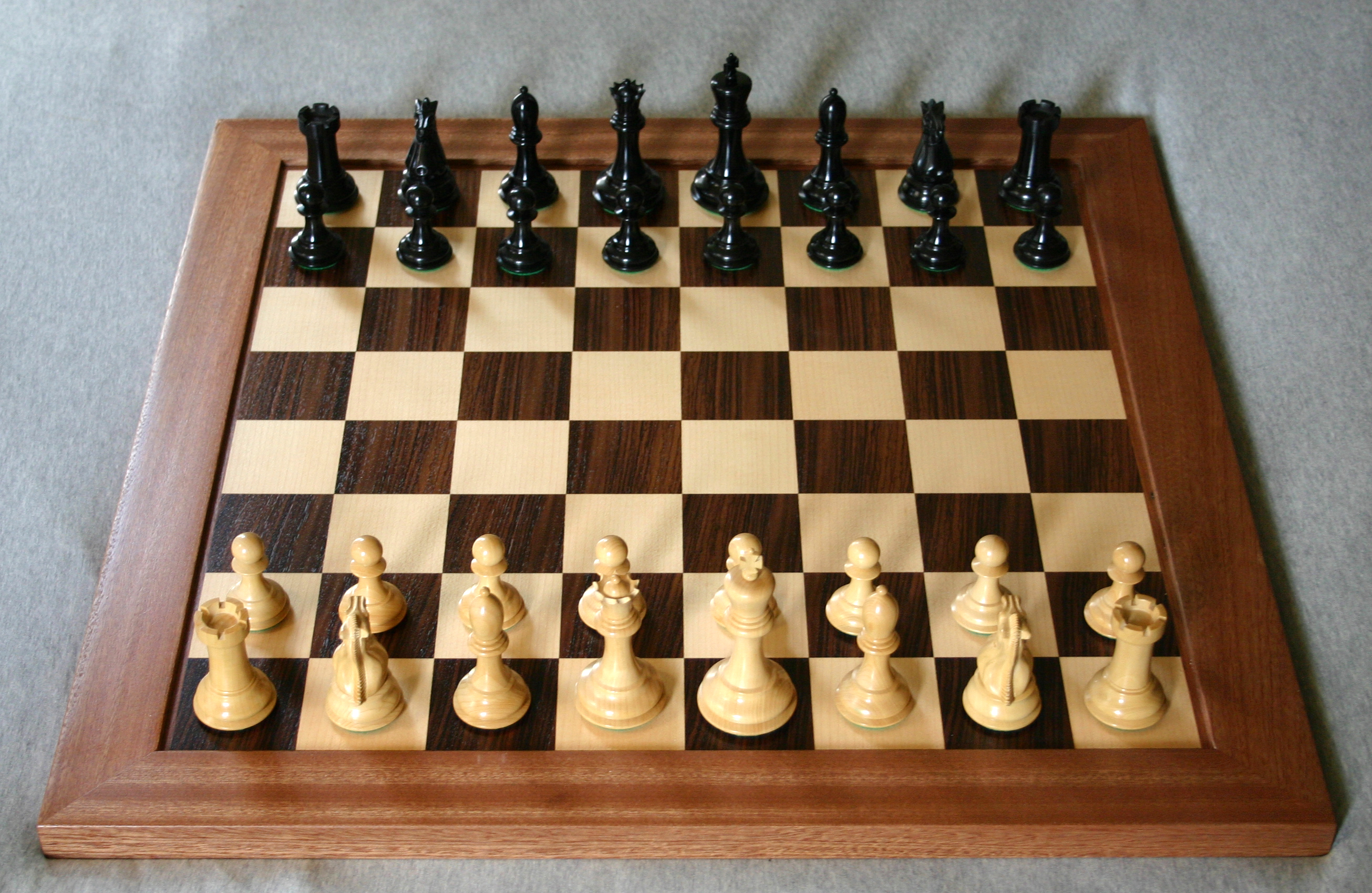
Fischer won the championship at 14 in the 1957–58 season: the youngest champion in history at the time. He won every edition he entered through 1966–67: eight titles, zero losses of the title. His 1963–64 performance was perfect, 11 games, 11 wins, no draws, no losses, still the only perfect score in the tournament’s history. No player before or since has gone 11–0 in the US Championship against a competitive field, and it’s the kind of record that gets cited less as a target than as a boundary condition: the ceiling of what’s possible in an 11-round round-robin against the country’s best players.
Frank Brady’s Endgame (affiliate) covers this period in detail. Fischer’s annotated games from the championship years are in My 60 Memorable Games (affiliate).
The modern St. Louis era
Sinquefield’s investment transformed the event’s prestige and resources. The prize fund increased substantially. Top American players who had spent careers mostly competing in Europe began competing in the US Championship again as the event became worth attending.
Nakamura’s five titles span two different eras of his own career: 2005 and 2009, before St. Louis existed as a hosting venue, then 2012, 2015, and 2019 once the modern era was underway. Wesley So has three titles in the St. Louis years: 2017 (won on a rapid playoff over Alexander Onischuk), 2020 (played entirely online via Lichess because of COVID-19, one of the stranger footnotes in the championship’s history), and 2021 (another rapid playoff win). Samuel Shankland broke through for a single title in 2018, the kind of one-off win that happens when a round-robin field is deep enough that no one player dominates every year.
Caruana, who switched federations from Italy to the US in 2015, has the deepest modern run of anyone. He won his first title in 2016, then reeled off four straight from 2022 through 2025, a run that ties Fischer’s record for consecutive US Championship victories and is the first streak of that length by anyone since Fischer himself walked away from the event in the late 1960s. Nakamura and Caruana define the modern championship era in the sense that they’ve combined to win most of it since 2015, but it’s Caruana whose recent run puts him in the same sentence as Fischer, not by total titles (Fischer’s eight remains untouched) but by the specific, harder-to-repeat feat of winning without a single interruption.
The Saint Louis Chess Club’s calendar makes the championship the anchor of a wider American chess season rather than a standalone event. The same venue hosts the Sinquefield Cup each summer, giving the city two of the strongest annual tournaments held anywhere in the world within a few months of each other, and gives the players who compete in the US Championship a reason to stay sharp for the rest of the year rather than treating the title as a once-a-decade goal.
Sources
- US Chess Federation, Championship history
- United States Chess Championship, Wikipedia
- World No. 3 Fabiano Caruana Wins Fifth U.S. Chess Championship, Saint Louis Chess Club
- Four-Time U.S. Champion Hikaru Nakamura, US Chess
- Brady, Frank. Endgame. Crown, 2011. (affiliate)
- Fischer, Bobby. My 60 Memorable Games. Batsford/Pavilion. (affiliate)
This page contains affiliate links. As an Amazon Associate, DiscussChess earns from qualifying purchases.
Sources
- US Chess Federation, Championship history
- Saint Louis Chess Club, US Championship
- United States Chess Championship, Wikipedia
- World No. 3 Fabiano Caruana Wins Fifth U.S. Chess Championship, Saint Louis Chess Club
- Four-Time U.S. Champion Hikaru Nakamura, US Chess
- Carissa Yip Wins Her Fourth Women's Title In Five Years, The Week in Chess
Further reading
- My 60 Memorable Games, Bobby Fischer ASIN verified via Open Library 2026-05-02. Many of Fischer's annotated games are from the US Championship era. His 1963-64 perfect 11-0 score is covered with annotations.
- Endgame: Bobby Fischer's Remarkable Rise and Fall, Frank Brady ASIN verified via Open Library 2026-05-02. Brady covers Fischer's eight consecutive US Championship wins in detail.