Hikaru Nakamura: Five-Time US Chess Champion
Hikaru Nakamura's biography: youngest American GM at the time, five US Championship titles, multiple World Championship Candidates appearances, and the streaming career that brought chess to millions.
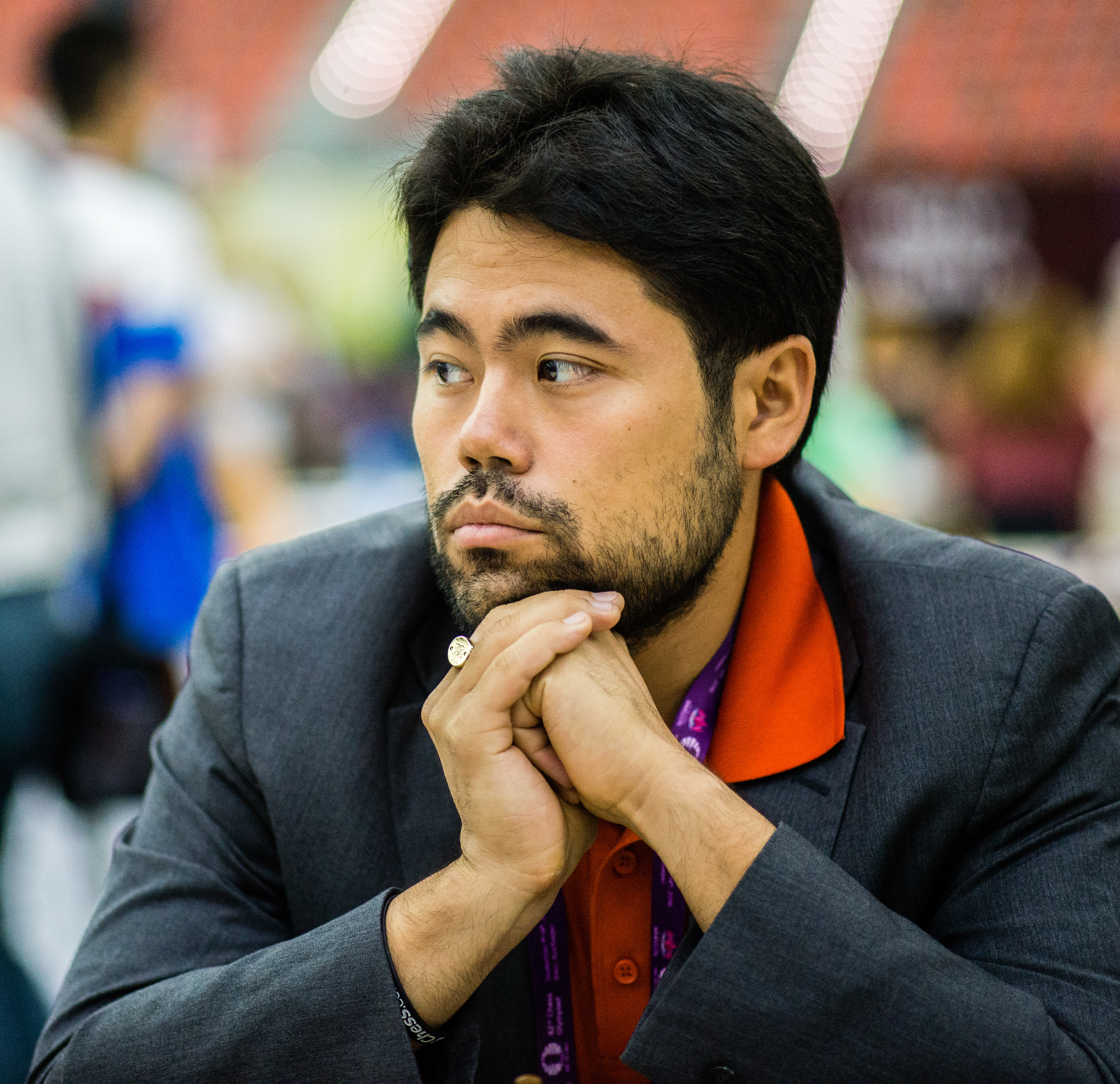
Hikaru Nakamura is an American chess grandmaster, born December 9, 1987, in Hirakata, Japan and raised in the United States. He became the youngest American grandmaster in history at 15 years and 79 days in November 2003, has won the US Chess Championship five times (2005, 2009, 2012, 2015, 2019), and competed in multiple World Championship Candidates Tournaments including as runner-up in 2016. He is also one of the most-watched chess streamers in the world, credited with introducing millions of new players to the game through his Twitch channel.
In 2020, that streaming audience was growing faster than any other chess channel on the platform. He had been an elite grandmaster for 15 years. None of that history had made chess broadly visible to people who weren’t already watching the sport. The streams changed that.
Born in Japan, raised in New York
Nakamura was born December 9, 1987, in Hirakata, Osaka, Japan. His mother is American; the family returned to the United States when he was a child, and he grew up in White Plains, New York. His stepfather, Sunil Weeramantry, is a FIDE master and chess trainer who recognized what Hikaru was doing with chess while still in elementary school and helped structure his development.
He learned the game at 7 and was competing in US Chess Federation-rated events within a year. By 10, his rating was competitive with adults.
GM at 15 years, 79 days
Nakamura earned the grandmaster title on November 14, 2003, at 15 years and 79 days, the youngest American grandmaster in history at the time. Samuel Sevian later broke the record, but in 2003 the title marked him as the strongest chess prodigy the United States had produced since Bobby Fischer. The comparison was made frequently and was not unreasonable: both were tactical, aggressive players who developed far ahead of their peers.
His first US Chess Championship title came in 2005, at 17. Four more followed (2009, 2012, 2015, and 2019) across 14 years of competition.
The US Championship record
Five US Championship titles over 14 years requires sustained elite play through changing formats and different generations of competitors. Nakamura’s five titles place him among the most successful in the tournament’s modern era. His style made the event specifically well-suited to his strengths: fast tactical calculation, sharp opening preparation designed to create unbalanced positions, and strong rapid and blitz play for tiebreaks. He didn’t show up treating the US Championship as an opportunity to accumulate safe draws.
The World Championship Candidates
Nakamura has qualified for multiple FIDE Candidates Tournaments, the eight-player round-robin that determines who faces the World Champion. Every player in the Candidates field is rated in the top 10 to 15 in the world. Qualifying multiple times confirms sustained elite classical performance.
In 2016, he finished as runner-up to Sergey Karjakin, 7.5/14 to Karjakin’s 8.5/14, the closest he has come to the championship match. He also competed in the 2022 Candidates in Madrid and the 2024 Candidates in Toronto, demonstrating that his classical chess has held at Candidates level across nearly a decade of cycles.
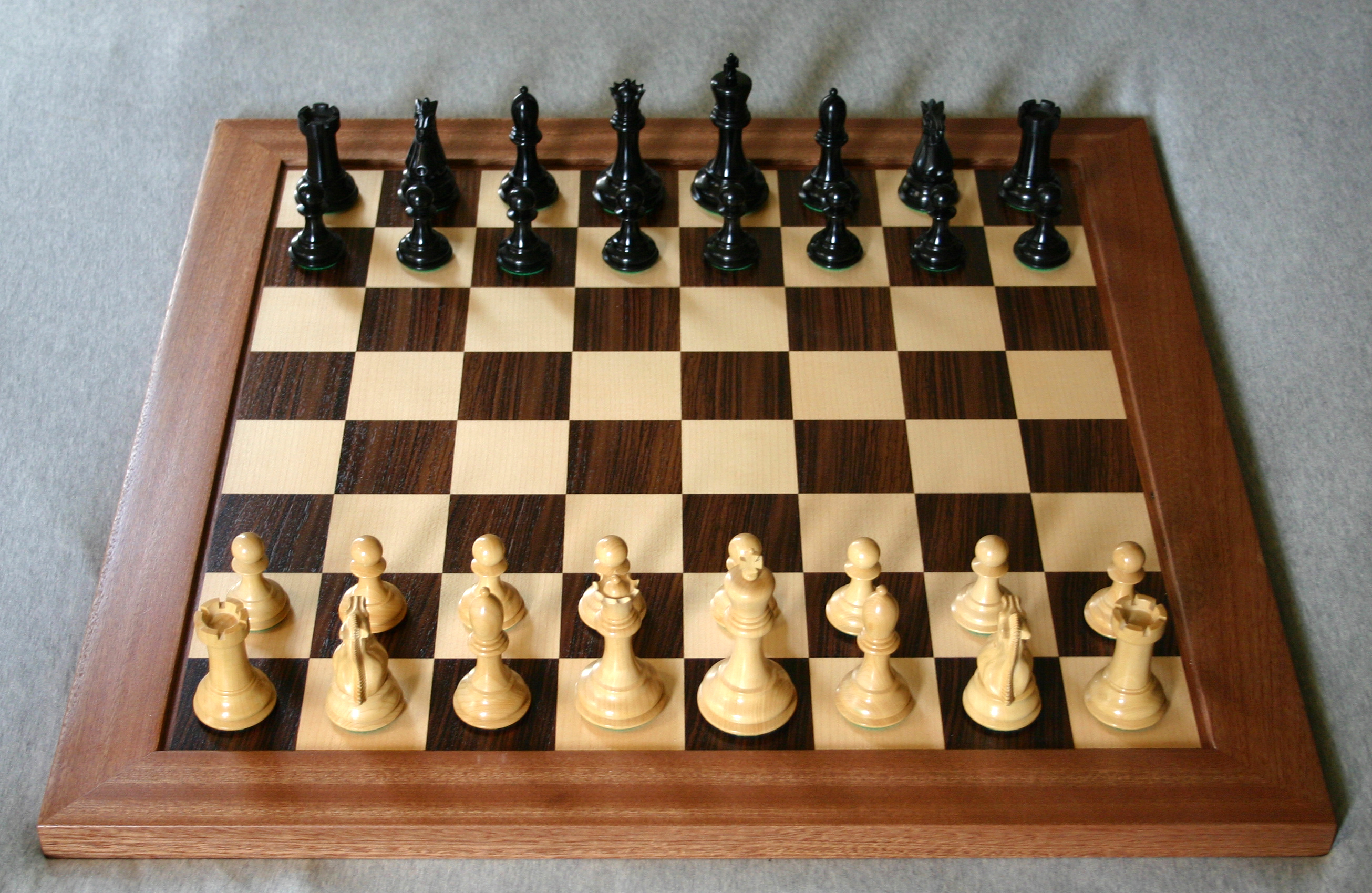
Round 8 at the 2024 Candidates shows Nakamura at his precise best, a Ruy Lopez where he builds queenside pressure until Caruana’s position cracks.
Nakamura, Hikaru White Caruana, Fabiano Black


Online chess and Twitch streaming
When the COVID-19 pandemic began in 2020, over-the-board chess paused. Online chess exploded. Nakamura had been streaming on Twitch since 2018, playing bullet and blitz games at elite speed while explaining his reasoning in real time. The audience grew from tens of thousands to millions.
At peak periods, his Twitch viewership for chess content matched the viewership for live coverage of major classical tournaments. He was reaching people who had never watched chess before: high school students who downloaded Chess.com during lockdown, viewers drawn in after Netflix’s The Queen’s Gambit aired in late 2020, general streaming audiences who found the commentary format compelling.
Externalizing chess thinking in real time, at speed, for audiences ranging from beginners to grandmasters watching the chat, is a different skill set than classical preparation. Most elite players are poor at it. Nakamura was effective in a way that built an audience that still watches.
Playing style
Nakamura’s classical chess is tactical and direct. He favors imbalanced positions with active pieces over slow maneuvering games. His rapid and blitz ratings have consistently placed him among the top five in the world at faster time controls. He has won multiple World Rapid and Blitz Championship titles.
For the Sicilian Defense and other sharp opening systems, his preparation tends toward creating unbalanced positions early rather than transposing into well-charted theoretical ground. That same preference for decisive play drives his streaming content: viewers can expect complications rather than quiet endgames.
Compared to contemporaries like Fabiano Caruana and Ding Liren, whose edges concentrate in classical preparation depth and endgame technique respectively, Nakamura is at his strongest in faster formats with concrete tactical demands.
The two careers
What makes Nakamura’s career unusual is the sustained parallel operation: competing at Candidates-level classical chess while building a streaming audience. Both require time and energy in genuine competition with each other. He has sustained both for longer than most observers expected when the streaming work began in earnest.
Chess’s post-2020 growth (streaming numbers, platform subscriber counts, beginner player growth on Chess.com and Lichess) has Nakamura as one of its primary causes. Magnus Carlsen introduced the game to mainstream sports coverage through five championship cycles; Nakamura introduced it to streaming culture. The audiences are not the same group.
For books that develop the tactical pattern recognition that underlies Nakamura’s play, The Life and Games of Mikhail Tal (Everyman Chess) is the closest historical model: Tal’s attacking chess at speed, annotated by Tal himself. See also our best chess books guide for the full tactical training sequence.
Sources
This page contains affiliate links. As an Amazon Associate, DiscussChess earns from qualifying purchases.
Sources
Further reading
- The Life and Games of Mikhail Tal, Mikhail Tal, Everyman Chess, 1997 ASIN verified via Open Library 2026-05-02. Tal's attacking chess and real-time tactical creativity is the closest historical analogue to Nakamura's style.
- Logical Chess: Move by Move, Irving Chernev, Batsford edition ASIN verified via Open Library 2026-05-02. The foundational annotated game collection for building tactical pattern recognition.