Queen's Gambit: Why It's Not Really a Gambit
The Queen's Gambit (1.d4 d5 2.c4) is the most common d4 opening at championship level. White offers a pawn. Black can take it (QGA) or decline it (QGD). Here's how the main variations work and what the Netflix show got right about its prestige.
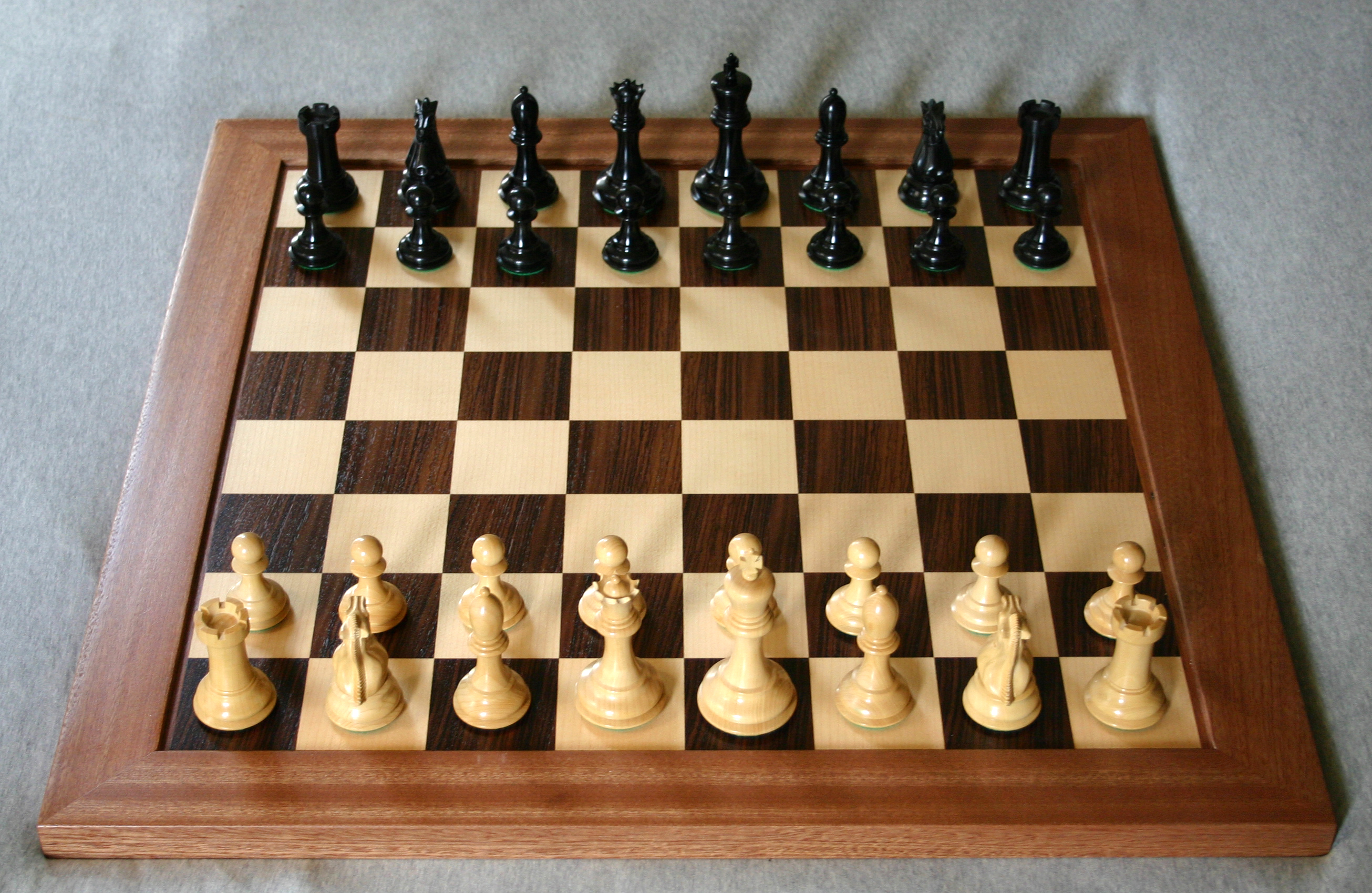
The Queen’s Gambit begins 1.d4 d5 2.c4. White offers the c-pawn. It’s technically not a gambit, Black almost never keeps the pawn, because White recovers it easily with e3-e4 or Qa4+. The name comes from 15th-century convention, not modern gambit theory.
The Queen’s Gambit has been played at every World Chess Championship since Lasker’s era. Capablanca, Kasparov, Anand, and Carlsen have all used it extensively on both sides. It’s the most analyzed 1.d4 opening in chess, and one of the friendlier ones to learn: central control, sound structure, and natural piece development, without the heavy memorization sharper 1.e4 lines demand. It’s also the opening the Netflix series named itself after. Accurately, since Beth Harmon’s era and ambition would absolutely produce a Queen’s Gambit player.
Queen’s Gambit Accepted (2…dxc4)
Black takes the pawn. After 3.Nf3 Nf6 4.e3, White plays to recover c4 and build a strong center. Black can try holding with …b5 or …c5 but typically gives the pawn back and plays for active piece play. The resulting positions often feature isolated or hanging d-pawns with compensating activity: rich and tactical.
Queen’s Gambit Declined (2…e6)
The most classical response. Black supports d5 and accepts slightly cramped development. After 3.Nc3 Nf6 4.Bg5 Be7 5.e3 0-0 6.Nf3 Nbd7, both sides castle and the game becomes a strategic battle, White pressing on the queenside with the minority attack (b4-b5), Black counterplaying with …c5 or …e5.
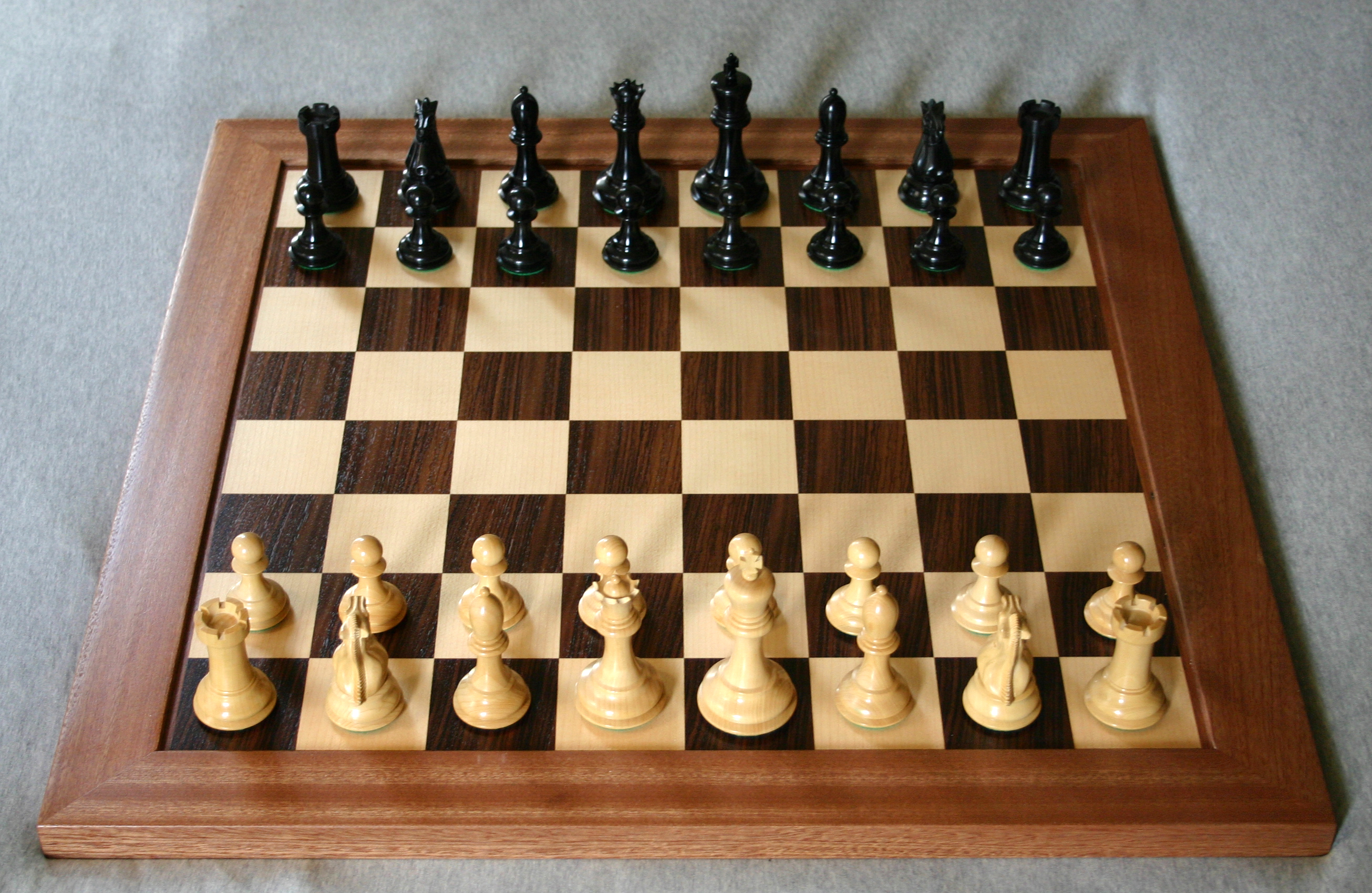
Slav Defense (2…c6)
Black supports d5 with the c-pawn instead of e6, keeping the light-squared bishop’s diagonal open. After 3.Nf3 Nf6 4.Nc3 dxc4, the Semi-Slav (with an eventual …e6) or pure Slav positions develop. The Slav avoids the light-squared bishop problem of the QGD, Black can exit it to f5 or g4 before closing the position.
Anand used it against Kasparov; Carlsen played it against Anand in 2013. It’s popular precisely because it’s both solid and active.
Exchange Variation (3.cxd5)
White trades pawns immediately, creating a symmetrical structure. Quick draws are available; White has a marginal space advantage but limited winning chances. Used when avoiding the main-line theory.
The Netflix connection
The 2020 Netflix series The Queen’s Gambit, with Beth Harmon using it as her primary weapon, drove a documented surge in chess participation. Chess.com reported a 600% increase in new registrations the week after the series aired. The title was accurate to the era and character: a serious 1950s-60s chess player of ambition would have a Queen’s Gambit repertoire. The show’s tactical fireworks are dramatized for television; the strategic logic behind Beth’s opening choices isn’t.
Silman’s How to Reassess Your Chess (affiliate) covers the isolated d-pawn and minority attack structures that define Queen’s Gambit play. Understanding these is required for playing either side correctly.
A Queen’s Gambit at elite level
Giri vs. Sindarov, FIDE Candidates Tournament 2026, played at the Cap St Georges resort near Paphos, Cyprus. By round 13, Javokhir Sindarov had already secured overall tournament victory with a round to spare, earning the right to challenge reigning champion Gukesh Dommaraju for the world title. This game was largely a formality for Sindarov, a Queen’s Gambit Exchange structure where Giri pushed a passed g-pawn deep into the endgame, but Sindarov defended accurately and the game ended in a draw by repetition after 58 moves. This is what the Queen’s Gambit endgame looks like when both sides know exactly what they’re doing and one player only needs half a point.
Giri, Anish White Sindarov, Javokhir Black


Sources
- Hooper, David, and Kenneth Whyld. The Oxford Companion to Chess. Oxford University Press, 1992.
- Giri, Anish, vs. Sindarov, Javokhir. FIDE Candidates Tournament 2026, Paphos, Cyprus, Round 13, March 21 2026.
- Chernev, Irving. Logical Chess: Move by Move. Batsford. (affiliate)
- Silman, Jeremy. How to Reassess Your Chess. Siles Press, 4th ed. 2010. (affiliate)
This page contains affiliate links. As an Amazon Associate, DiscussChess earns from qualifying purchases.
Sources
- Hooper, David, and Kenneth Whyld. The Oxford Companion to Chess. Oxford University Press, 1992.
- Giri, Anish, vs. Sindarov, Javokhir. FIDE Candidates Tournament 2026, Paphos, Cyprus, Round 13, March 21 2026.
Further reading
- Logical Chess: Move by Move, Irving Chernev ASIN verified via Open Library 2026-05-02. Several annotated games demonstrate Queen's Gambit strategic principles, particularly the isolated d-pawn and minority attack themes.
- How to Reassess Your Chess, Jeremy Silman ASIN verified via Amazon 2026-05-02. Silman's chapter on isolated pawns and hanging pawns covers the structural imbalances that define Queen's Gambit play.