Nimzo-Indian Defense: Aron Nimzowitsch's Best Idea
The Nimzo-Indian (1.d4 Nf6 2.c4 e6 3.Nc3 Bb4) pins White's knight and gives Black immediate pressure on the center. Why it's been a world championship weapon for 100 years and how the main variations work.
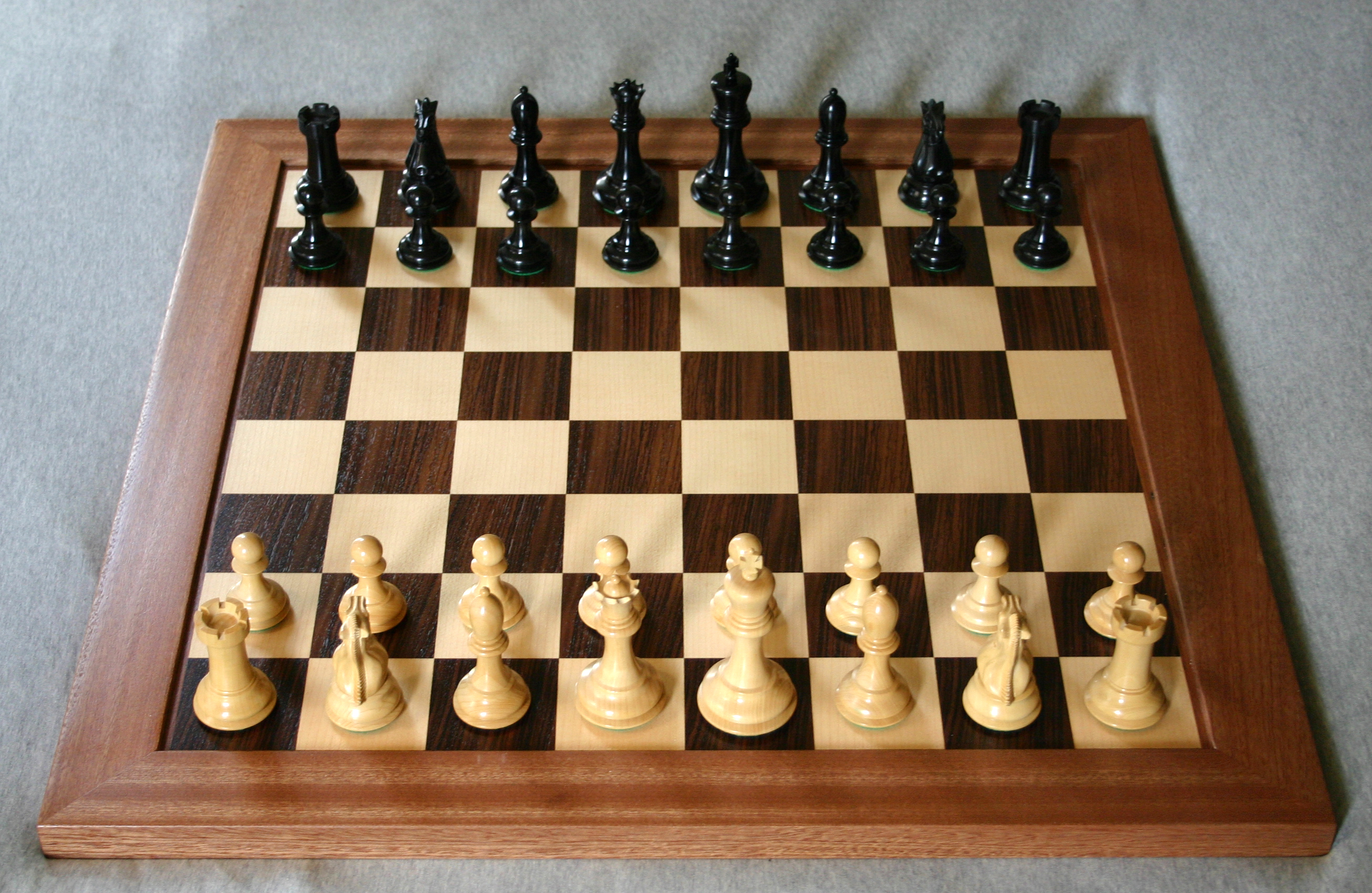
The Nimzo-Indian Defense begins 1.d4 Nf6 2.c4 e6 3.Nc3 Bb4. Black’s bishop pins the knight that defends White’s d4 pawn. The threat is …Bxc3, doubling White’s pawns and giving Black the bishop pair, a long-term structural concession by White in exchange for Black loosening the c3 pawn structure.
This exchange (White gets the bishop pair, Black gets doubled c-pawns) is the strategic tension that drives the Nimzo-Indian. Every major variation is an argument about whether White’s bishop pair or Black’s structural advantage matters more in a given position. The opening has been played at every World Chess Championship since the 1920s. It’s that balanced.
Aron Nimzowitsch, Latvian by birth and Danish by later citizenship, developed and analyzed the defense in the 1920s. He was also the theorist behind the broader “hypermodern” school, which argued that controlling the center with pieces rather than pawns was valid, a claim the chess establishment resisted until it became obvious. The name says as much: “Nimzo” for its inventor, “-Indian” for the wider family of openings built on that same hypermodern idea, controlling the center with pieces instead of occupying it with pawns right away. The Nimzo-Indian is the most successful hypermodern idea in chess history.
Why it’s sound
A 1.d4 player building a center with c4 and Nc3 expects Black to play in the center with …d5. The Nimzo-Indian declines that direct engagement. Instead, Black pins the knight, lets White build the center, and then attacks it with pieces.
The bishop pin on c3 creates immediate tension. White cannot play 4.Nxb4?? because that allows 4…Nxe4 forking the queen and rook. So White must either:
- Break the pin with 4.Qc2 or 4.e3 (keeping the center intact but giving Black time to complete development)
- Accept the pin and play 4.Bd2 or another defensive resource
- Play 4.a3, forcing the issue immediately
Each response leads to a different family of Nimzo-Indian positions, all fully analyzed and fully playable at the top level.
None of that is intuitive if you haven’t yet internalized why development and structure matter more than material count in the middlegame. The Nimzo-Indian rewards players who already understand piece coordination, roughly 1200+, rather than complete beginners still learning why pawns matter.
Main variations
Classical Variation: 4.Qc2
The most common response. White defends c3 with the queen, refusing to be doubled. After 4…0-0 5.a3 Bxc3+ 6.Qxc3 d5, White has avoided the doubled pawns, but the queen on c3 is awkwardly placed and Black has a solid center.
The Classical is deeply analyzed. Both sides have reliable plans; the game tends toward controlled middlegames where strategic understanding matters more than tactical calculation. It’s the main choice of elite players who want to fight for an advantage without creating chaotic positions.
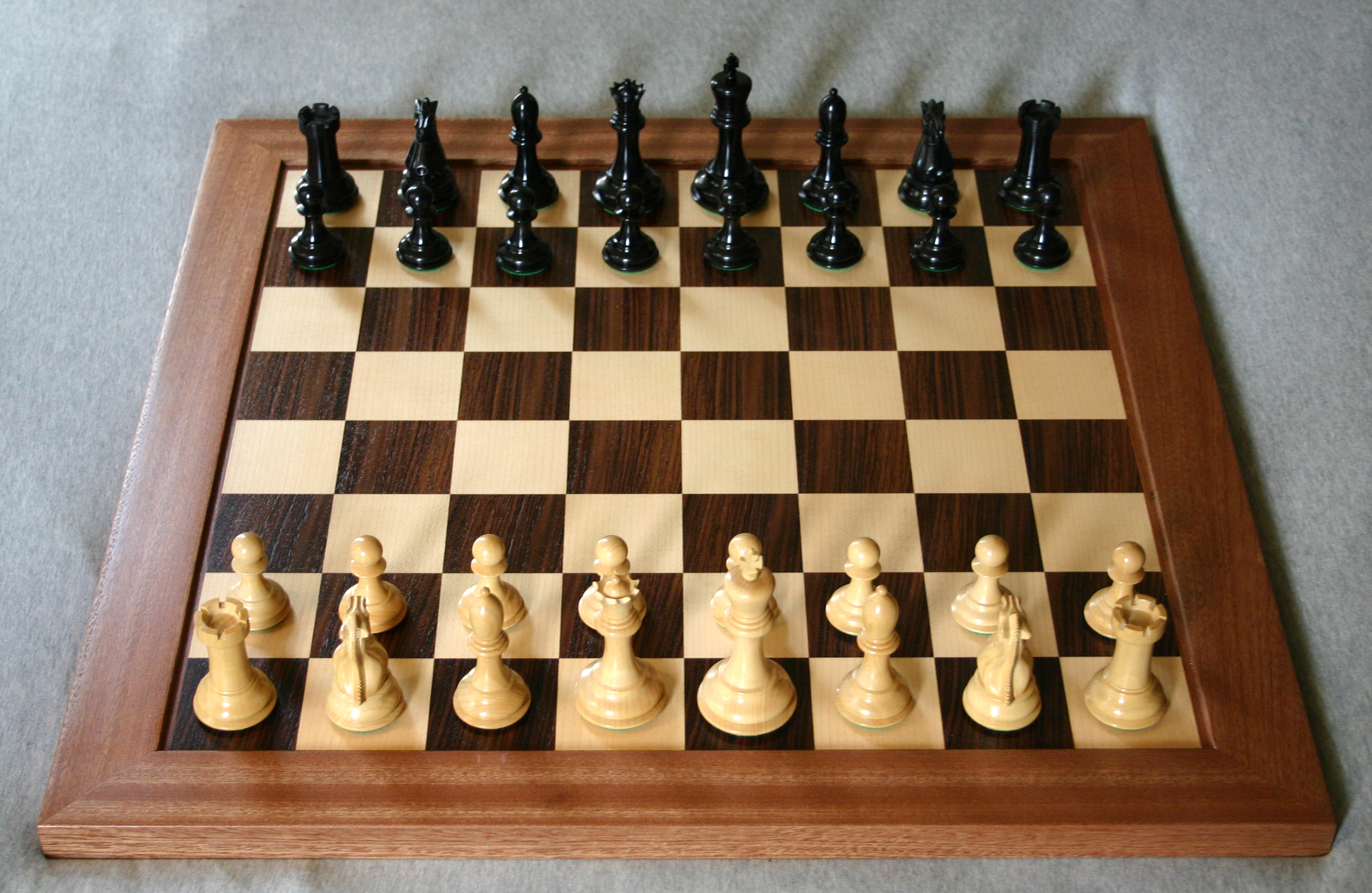
Rubinstein Variation: 4.e3
White reinforces the center, accepting that Black may eventually play …Bxc3 and double the c-pawns. After 4…0-0 5.Bd3 d5 6.Nf3 c5, Black challenges the center directly. White’s development is solid; Black’s piece activity compensates for whatever structural concessions follow.
Akiba Rubinstein developed this variation and it bears his name. It produces the most “classical” positions of the Nimzo-Indian variations: rich middlegames with many pawn structure possibilities. Garry Kasparov and Anatoly Karpov both played it in their championship matches.
Nimzowitsch Variation: 4.Nf3
White simply develops the knight without committing the other pieces. After 4…b6 (the most ambitious), Black prepares a queenside fianchetto. White often plays 5.Bg5 or 5.e3, maintaining flexibility. The variation leads to relatively uncharted positions where both sides must play on general principles.
Leningrad Variation: 4.Bg5
White pins Black’s f6 knight: a symmetrical idea. Black can play 4…h6 5.Bh4 c5 6.d5 to gain space, or the more solid 4…c5 immediately. The resulting positions are typically dynamic, with both sides having active piece play.
The bishop-pair question
Silman’s How to Reassess Your Chess (affiliate) is the best framework for understanding the Nimzo-Indian’s strategic core. His chapter on the bishop pair makes the point precisely: two bishops are not always better than bishop and knight. They’re better when the position is open, when pawn structures allow diagonal movement, and when neither bishop is blocked. In the Nimzo-Indian, both sides fight to control whether those conditions materialize.
White’s strategy after receiving the bishop pair: open the position. Exchange pawns, create open diagonals, reach endgames where two bishops dominate a knight and bishop. Black’s strategy: keep the position closed, use the knight’s ability to hop to good squares that bishops can’t reach, exploit the doubled c-pawn structure.
Championship history
The Nimzo-Indian has appeared in World Chess Championship matches continuously since Euwe defeated Alekhine in 1935 using it. Botvinnik played it against Tal in 1960. Kasparov used it against Karpov repeatedly in their five-match series. My Great Predecessors Part 1 by Kasparov (affiliate) covers the historical games in detail with annotations.
Magnus Carlsen plays the Nimzo-Indian. Viswanathan Anand played it throughout his championship tenure. The opening’s continued presence in championship matches after 100 years is the clearest argument for its soundness.
That pedigree isn’t just historical. At club level, the Nimzo-Indian is still the most common answer to 1.d4 among players who want a real fight without inviting the tactical chaos of sharper defenses.
A Nimzo-Indian at elite level
Carlsen vs. Niemann, Sinquefield Cup 2022, Round 3. This is the game Carlsen withdrew from the tournament over, he gave no public explanation and Niemann won with Black. The chess itself is instructive: Niemann uncorked 47…Nf1+ to start a winning sequence Carlsen had not fully calculated. The game ended with Black’s king marching to e5.
Carlsen, Magnus White Niemann, Hans Moke Black


Sources
- Nimzowitsch, Aron. My System. Batsford, 1925.
- Hooper, David, and Kenneth Whyld. The Oxford Companion to Chess. Oxford University Press, 1992.
- Kasparov, Garry. My Great Predecessors, Part 1. Everyman Chess, 2003. (affiliate)
- Silman, Jeremy. How to Reassess Your Chess. Siles Press, 4th ed. 2010. (affiliate)
This page contains affiliate links. As an Amazon Associate, DiscussChess earns from qualifying purchases.
Sources
- Nimzowitsch, Aron. My System: A Treatise on Chess. Batsford, 1925. (Current edition translated by Philip Hereford.)
- Hooper, David, and Kenneth Whyld. The Oxford Companion to Chess. Oxford University Press, 1992.
- Kasparov, Garry. My Great Predecessors, Part 1. Everyman Chess, 2003.
Further reading
- Garry Kasparov on My Great Predecessors, Part 1, Everyman Chess, 2003 ASIN verified via Open Library 2026-05-02. Covers the historical Nimzo-Indian games in the world championship context, with Kasparov's annotations.
- How to Reassess Your Chess, Jeremy Silman ASIN verified via Amazon 2026-05-02. Silman's imbalance framework: especially the bishop-pair vs. structural concession dynamic, is essential for understanding the Nimzo-Indian's strategic logic.