Mikhail Tal: The Magician from Riga
Mikhail Tal became World Chess Champion in 1960 at 23 by playing chess no one could calculate. His sacrifices were often unprovable. They won anyway. A biography of the most unpredictable attacking player in chess history.
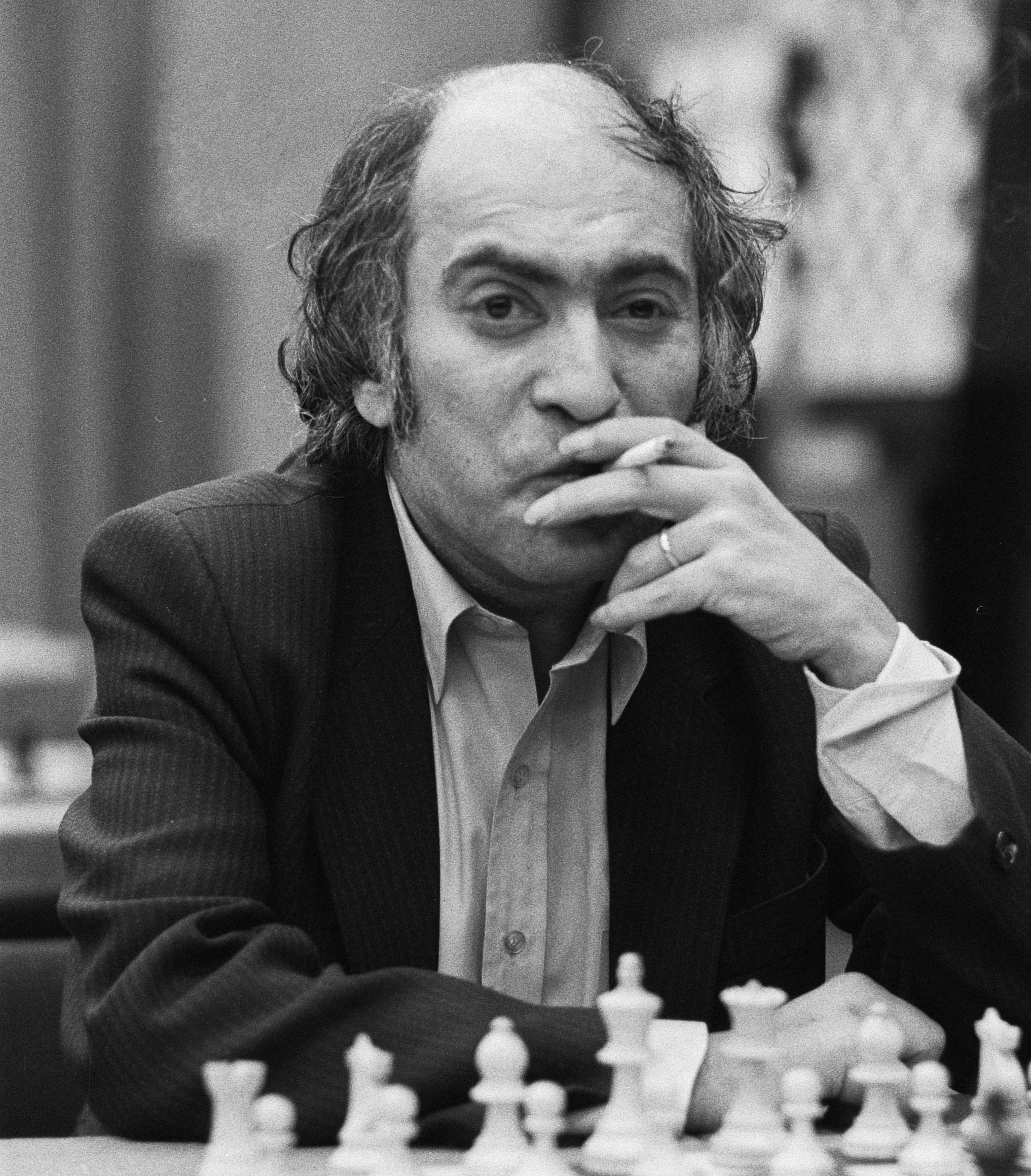
Mikhail Tal was the 8th World Chess Champion, holding the title from 1960 to 1961. Born November 9, 1936, in Riga, Latvia, he became the youngest world champion in history at the time, at 23 years old. He won by playing chess that Botvinnik, the defending champion and the most scientifically prepared player in the world, could not handle. Tal offered sacrifices that were difficult or impossible to calculate correctly. He played them because he understood, at an intuitive level, that the complexity they created was worse for the opponent than for him.
He died June 28, 1992, in Moscow. He was 55. He had been playing elite chess within months of his death.
Riga and the early years
Tal was born into an educated family in Riga. His father was a doctor, and the house had books in it. He learned chess at around 8 or 9. His early development was fast but not the kind of prodigy story that appears in every player’s mythology. He was strong at 15, very strong at 18, and ranked among the best in the Soviet Union by his early 20s.
He won the Latvian Championship in 1953 at 16 and began competing in the USSR Championship shortly after. The USSR Championship in the 1950s was roughly equivalent to a high-level international tournament. The field included most of the world’s strongest players, since Soviet chess dominated the game. Tal won the Soviet Championship in 1957, 1958, and 1967. Winning it once in that era was an accomplishment. Winning it three times meant you were a serious candidate for the best in the world.
He earned the grandmaster title in 1957. By 1958 he had qualified for the Candidates Tournament.
The 1959 Candidates and the path to Botvinnik
The 1959 Candidates Tournament in Bled, Zagreb, and Belgrade was the decisive step. Tal won it with 20 points out of 28, finishing 3.5 points clear of second place. He beat Paul Keres, Vasily Smyslov, Samuel Reshevsky, and every other serious candidate in the field.
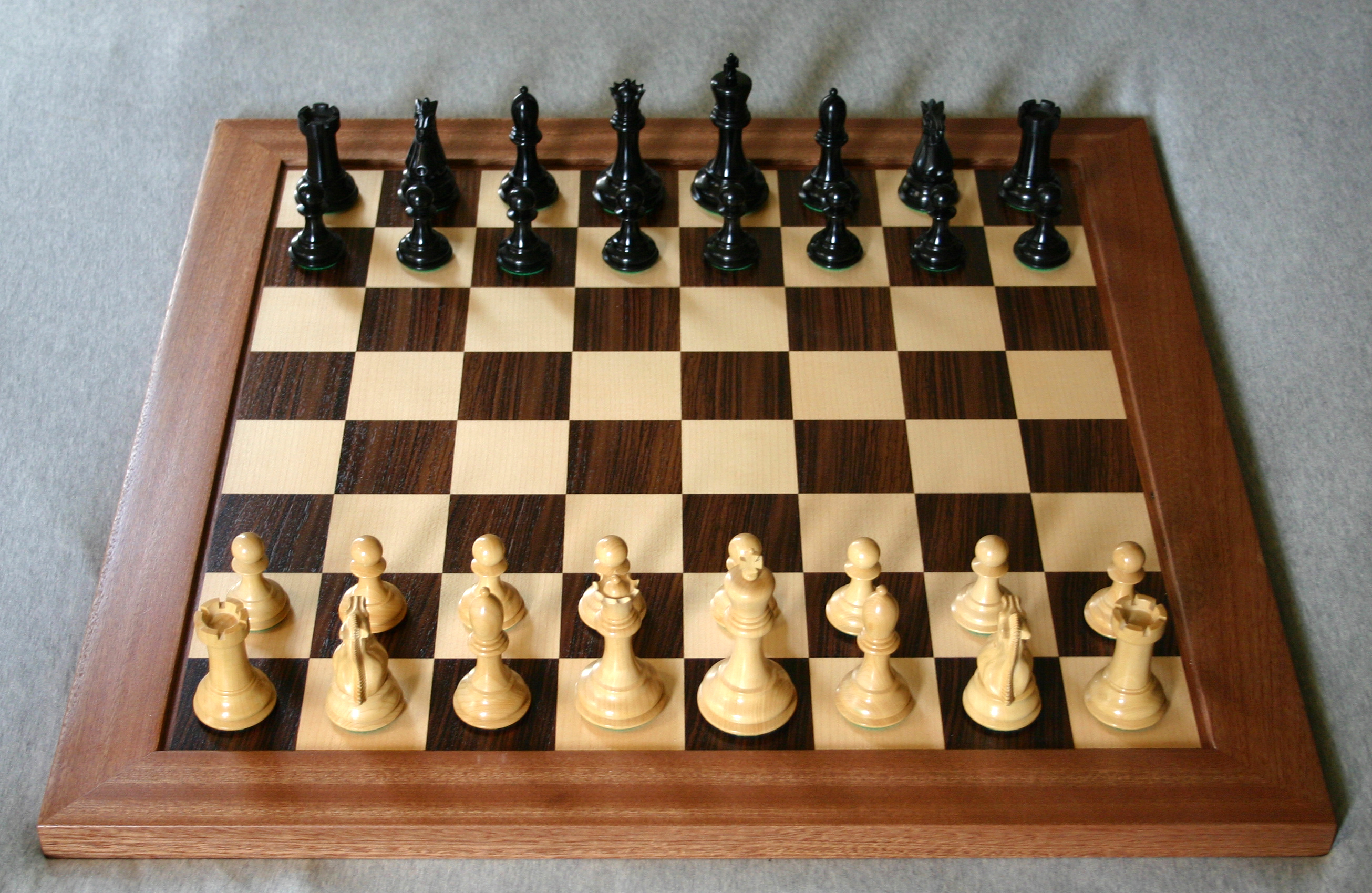
The 1960 World Chess Championship against Mikhail Botvinnik ran in Moscow. Botvinnik was one of the most prepared players in history, a scientist who treated chess preparation as a rigorous technical discipline. He had held the world title three times. He was 49 and approaching the end of his career. He prepared extensively for Tal’s tactical style.
Tal won 12.5–8.5. He won six games, lost two, drew thirteen. Botvinnik’s preparation wasn’t adequate because the positions Tal created weren’t positions where preparation helped. They were positions where both sides had to calculate 15 or 20 moves of complications from first principles, over the board, under match conditions.
The rematch in 1961 went to Botvinnik 13–8. Tal had been hospitalized with kidney problems during the match and was playing in poor health. He lost the title.
Game 6 of the 1960 championship is typical: Tal sacrifices his knight on f4 with 21…Nf4, a move no computer would sanction, and Botvinnik cannot find the correct defense over the board.
Botvinnik, Mikhail White Tal, Mikhail Black


Playing style
Tal’s attacking chess is built on something different from calculation in the classical sense. He didn’t always calculate variations to a forced conclusion. He created positions where the defensive task was enormous and the offensive resources were clear, and he trusted that the defensive task, faced over the board by a human under time pressure, was harder than it looked on the evaluation board.
His sacrifices were sometimes genuinely sound. Sometimes they weren’t. He knew the difference and played the unsound ones anyway when he judged that the practical difficulty of defense was greater than the theoretical refutation.
The famous stare was part of this. Tal would look directly at his opponents for long stretches during their thinking time. He was unsettling to sit across from. Petrosian reportedly placed a newspaper between himself and Tal rather than make eye contact. Whether the psychological effect was intentional or simply Tal being intensely present is something he was deliberately vague about in his annotations.
His annotations in The Life and Games of Mikhail Tal (Everyman Chess, 1997) are the clearest window into how he thought. He explains the sacrifices, including the ones he admits were speculative, without post-game rationalization. He’s self-aware and occasionally funny, both unusual qualities in chess literature. A player at 1000–1400 ELO can follow the thinking. A grandmaster finds new things in the same passage.
After the title
Tal never became world champion again, but he played elite chess for three more decades. He competed in Candidates Tournaments repeatedly through the 1960s and 1970s. In the late 1970s and early 1980s, his FIDE rating was still in the top 10 in the world. He won the World Blitz Championship in 1988 at age 51.
His kidneys caused problems throughout his adult life. He was hospitalized multiple times. He played tournaments while being treated for medical conditions that would have ended most players’ careers. In 1992, he was playing in a tournament in Barcelona when his health deteriorated. He was moved to a Moscow hospital and died on June 28, 1992.
For players who want to study the attacking patterns that Tal used, the Immortal Game and the broader attacking tradition that runs through Bobby Fischer and Garry Kasparov share the same foundation: king safety and development can outweigh material. The principle is explained at a beginner level in our chess improvement guide.
Sources
- FIDE official rating history for Mikhail Tal
- Tal, Mikhail. The Life and Games of Mikhail Tal. Everyman Chess, 1997.
- 1960 World Chess Championship game scores, chessgames.com
This page contains affiliate links. As an Amazon Associate, DiscussChess earns from qualifying purchases.
Sources
- FIDE Rating History, Mikhail Tal
- Tal, Mikhail. The Life and Games of Mikhail Tal. Everyman Chess, 1997.
- 1960 World Chess Championship game scores, chessgames.com
Further reading
- The Life and Games of Mikhail Tal, Mikhail Tal, Everyman Chess, 1997 ASIN verified via Open Library 2026-05-02. Everyman Chess 1997 edition. Tal's own annotated game collection, accessible, occasionally funny, and the best source on his thinking.