London System: The Complete Opening Guide
A complete guide to the London System: why it's the most popular club opening in the world, how the Bf4 + Nf3 + e3 setup works, when White should play Ne5, and the book that explains it all.
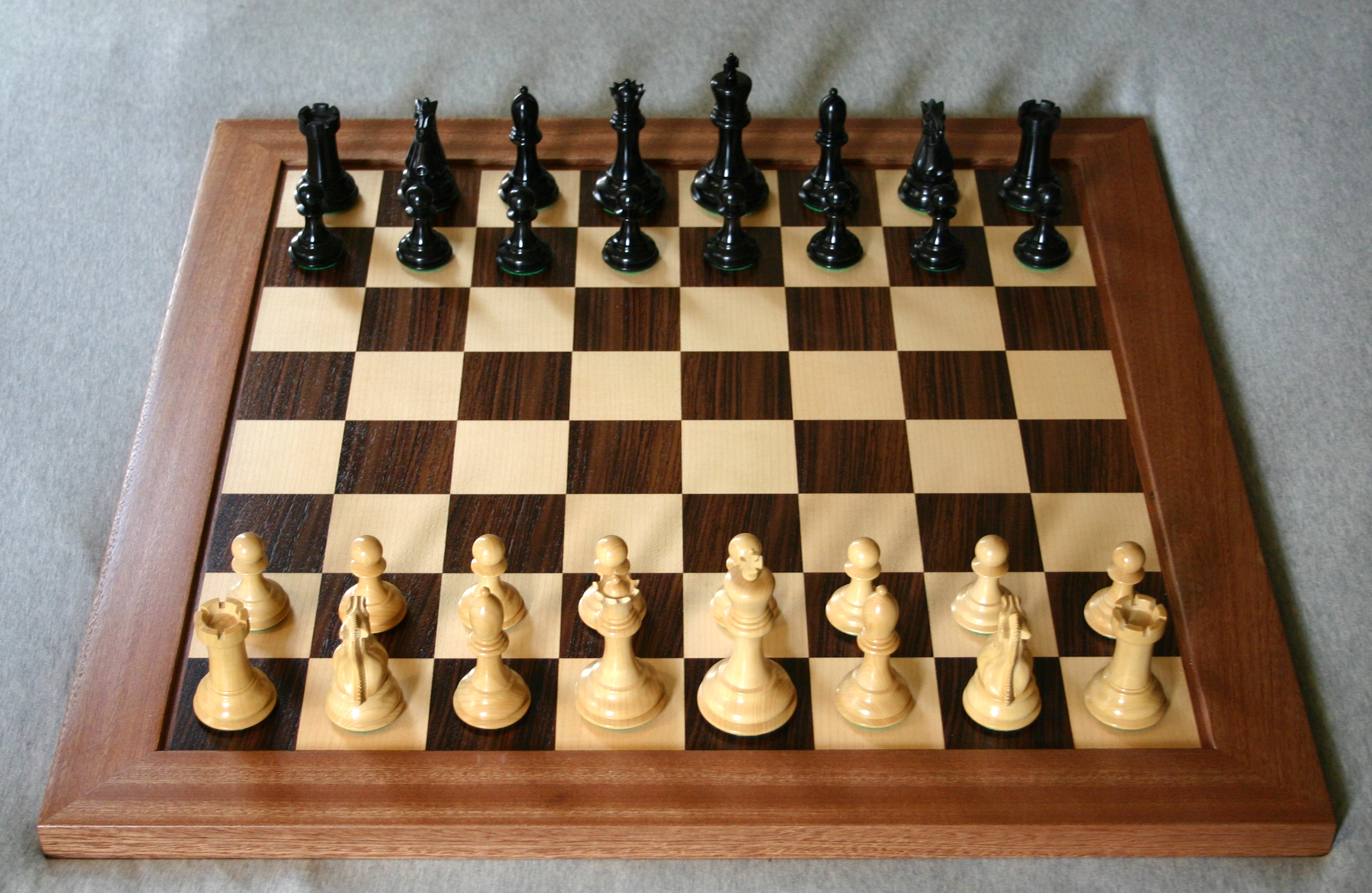
The London System begins 1.d4 followed by 2.Nf3 and 3.Bf4, with White completing the setup with e3, Nbd2, c3, and Be2 or Bd3. The bishop on f4 is its defining feature. White’s position is solid, flexible, and requires almost no memorization. It works against essentially everything Black plays. At the club level, from 800-rated beginners to 2000-rated tournament players, it’s the most commonly played White opening in the world.
The London’s appeal is practical. Club players face dozens of different Black responses: the King’s Indian, the Nimzo-Indian, the Dutch, irregular defenses. Most White opening systems require separate theoretical preparation for each. The London doesn’t. You play 1.d4, 2.Nf3, 3.Bf4, 4.e3, 5.Nbd2 (or 5.c3), 6.Bd3 or Be2, and complete development before deciding on a plan. It works against all of them. Compare that to the Ruy Lopez, where White needs 20-25 moves of memorized theory just to reach a position with a small edge: the London reaches a comparable structure in six moves, regardless of what Black plays.
That practical quality made the London fashionable. Magnus Carlsen played it in rapid and blitz games. Fabiano Caruana has used it. Judith Polgar used it. The setup is simple enough that beginners can play it; deep enough that GMs find new ideas in it.
The structure
After 1.d4 Nf6 2.Nf3 d5 3.Bf4, White has established the core London structure. A few moves later, 3…e6 4.e3 Be7 5.Nbd2 0-0 6.Bd3 c5 7.c3, you reach one of the main tabiya positions. White has:
- d4 and e3 pawns in the center: solid, no weaknesses
- Bishop on f4: outside the pawn chain, aimed at c7 and the queenside
- Knight on f3 and d2: standard development, nd2 supports c4 or can go to e5
- Rook on d1 after castling: eyes the d-file
The plan options:
- Ne5: The most common aggressive plan. White centralizes the knight, often following with f4, g4 pawn advances and a kingside attack. Against a kingside-castled Black king, this creates real attacking chances.
- c4: The pawn push challenges Black’s center. After …dxc4 Nxc4 or …d4, the position opens up and White’s bishops become active.
- Quiet development: Castle, connect rooks, wait for Black to commit, then react. Flexible and safe.
Why the bishop on f4 matters
The bishop on f4 doesn’t threaten anything immediately. But it does two things. First, it stays outside the e3-d4 pawn chain. A lesson from French Defense theory where the bishop on c1/e1 stays locked behind the pawns. Second, it applies psychological pressure on Black’s queenside: the c7 pawn and b7 square come under indirect attention whenever Black’s queenside develops slowly.
More practically: the bishop on f4 is a stable piece. It doesn’t get traded off easily. After Black plays …c5 (the most natural challenge), White often moves the bishop to g3 or h2, keeping it active. In the resulting endgames, a bishop on g3 or h2 with White’s rooks on d1 and e1 is well-placed.
The London rarely produces spectacular attacks in the Tal style. The winning plans run through positional attrition: slight endgame advantages, better pawn structure, piece coordination. The style suits players who win by not losing.
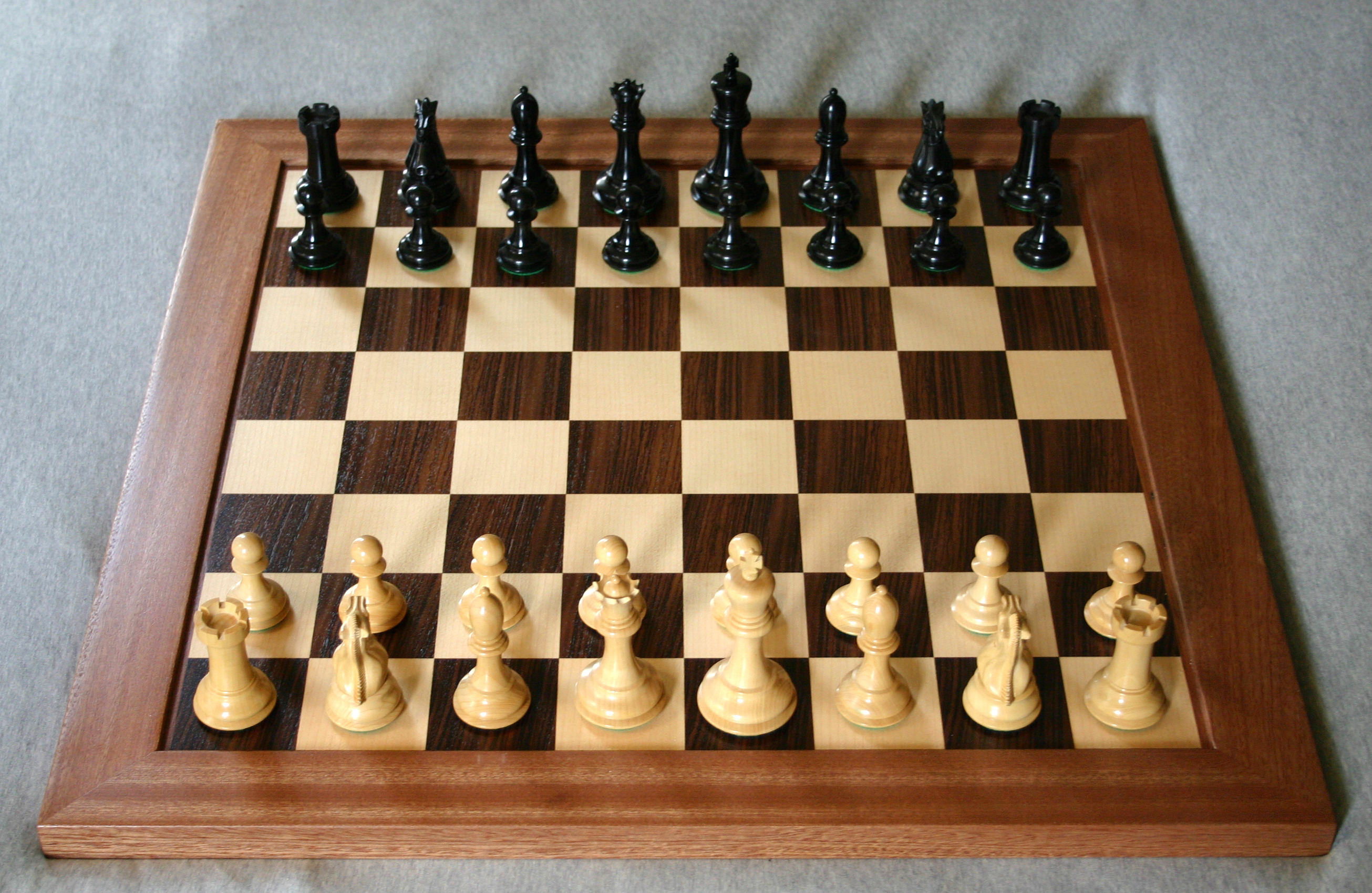
The main lines
Against …d5 (classical setup): The most common continuation. Black supports d5 with …e6 or …c6 and develops normally. White plays the standard Nf3-Nbd2-Bd3 setup, castles kingside, then decides between Ne5 and c4.
Against …Nf6 and …g6 (King’s Indian setup): Black fianchettoes the bishop. White continues normally with the London setup but needs to be aware that Black’s bishop on g7 can become powerful if White’s center is broken. The Ne5 plan is less effective here because Black’s pressure on d4 via the g7 bishop can disrupt White’s center.
Against …f5 (Dutch Defense): Black plays the Dutch stonewall or classical Dutch. The London bishop on f4 can become aggressive here, targeting e5, but Black’s setup is solid against the standard London plans. White often plays c4 more aggressively to challenge Black’s central pawn.
Against …c5 immediately: Black challenges d4 on the first move. White must decide: maintain the London setup (Bf4 stays, play e3 and develop) or switch to a c4 system. The London against c5 tends toward Queen’s Gambit-type positions.
What the London doesn’t do
It doesn’t create sharp tactical complications. Black can defuse the position by playing solidly, reaching roughly equal endgames. The London’s worst outcomes are draws: not losses. For players who want decisive, attacking games from the White side, systems like the King’s Indian Attack, the London’s Ne5 attacking plans, or more aggressive 1.d4 systems (King’s Indian setup with e4) may suit better.
At the very top of classical chess, elite opponents come prepared with specific counter-plans, and the London tends to give White a bit less than sharper 1.d4 systems: part of why it stays a secondary weapon rather than a primary one for the world’s top ten. None of that matters below 2400. There, it’s fully competitive at essentially every practical level, club to grandmaster, and especially so in rapid and blitz.
It also requires understanding the endgame well. The advantage the London builds is often technical (slightly better piece activity, slightly cleaner pawn structure) and converting that into a win against prepared opposition requires the kind of endgame technique that How to Reassess Your Chess (Silman) develops.
For the complete instructional treatment of the London’s theory, plans, and anti-London defenses, Win with the London System by Sverre Johnsen and Vlatko Kovacevic (Gambit Publications) remains the most thorough single-volume treatment of the opening. It covers both attacking and positional London plans.
See our guides to the King’s Indian Defense and Nimzo-Indian Defense for what Black has against 1.d4 when White plays more aggressively. For general improvement context, our chess improvement guide.
A London System game at elite level
Praggnanandhaa vs. Gukesh, Tata Steel Chess 2025 tiebreak, Game 3. The London builds a long technical endgame where Pragg’s technique is impeccable, the knight’s tour on move 52 starts the decisive combination, and the game lasts 62 moves.
Praggnanandhaa, R White Gukesh, D Black


Sources
- Johnsen, Sverre, and Vlatko Kovacevic. Win with the London System. Gambit Publications, 2005.
- Nunn, John. Nunn’s Chess Openings. Everyman Chess / Gambit, 1999.
This page contains affiliate links. As an Amazon Associate, DiscussChess earns from qualifying purchases.
Sources
- Johnsen, Sverre, and Vlatko Kovacevic. Win with the London System. Gambit Publications, 2005.
- Nunn, John. Nunn's Chess Openings. Everyman Chess / Gambit, 1999.
- ChessBase Opening Encyclopedia, London System ECO codes D00–D02
Further reading
- Win with the London System, Sverre Johnsen and Vlatko Kovacevic (Gambit Publications) ASIN verified via Open Library 2026-05-02. Gambit Publications edition. The definitive instructional text on the London System, clear explanations of the setup, the kingside attack themes, and how to handle Black's main defensive setups.
- How to Reassess Your Chess (4th edition), Jeremy Silman (Siles Press) ASIN verified via Amazon 2026-05-02. Siles Press 4th edition. The positional thinking framework behind the London's piece coordination and endgame conversion.