King's Gambit: Chess's Most Romantic Opening
The King's Gambit (1.e4 e5 2.f4) offers a pawn on move 2 for rapid development and a kingside attack. Fischer declared it busted in 1961, then played it throughout his career. Here's why it still works and how the main lines go.
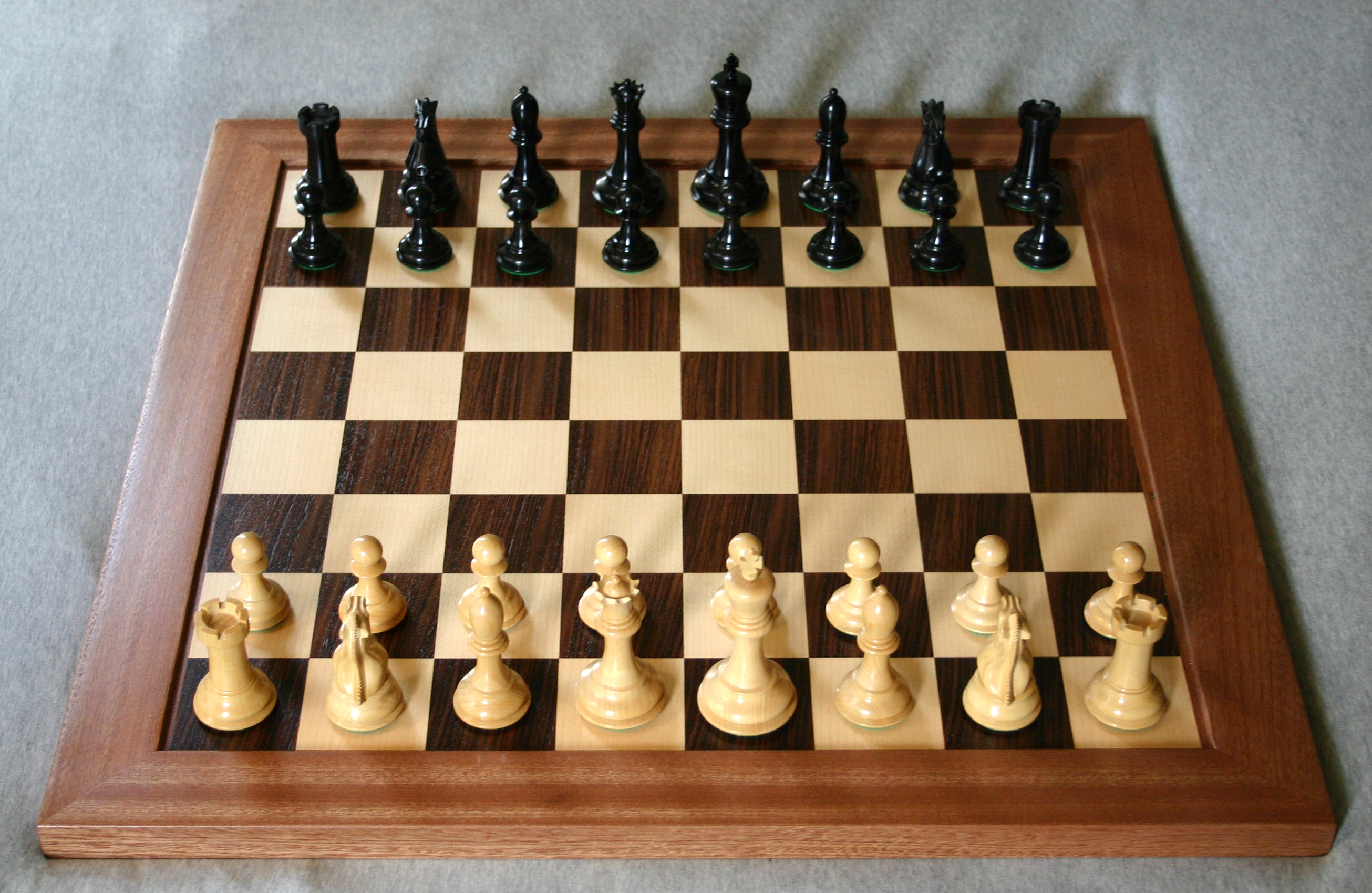
The King’s Gambit begins 1.e4 e5 2.f4. White offers a pawn on move 2 for rapid development, a strong center, and attacking chances against Black’s king. It’s the oldest documented gambit in chess theory, appearing in 16th-century manuscripts, and the opening that produced the Immortal Game. Bobby Fischer wrote a famous 1961 essay declaring it “busted.” He then played it successfully for the rest of his career.
The contradiction is the opening’s lesson: “busted” in tournament chess theory means refuted in the specific line Fischer cited, not unplayable. The King’s Gambit is genuinely risky for White, not objectively losing. The difference matters.
It’s also a genuinely useful opening for players still building their tactical eye, not just a museum piece for romantics. The positions turn sharp fast, preparation gaps matter less than raw calculation, and the attacking principles it forces on you (rapid development, open lines, king safety versus king hunt) carry over directly to every other opening you’ll play.
What Fischer actually claimed in 1961
Fischer’s essay, published in the first issue of American Chess Quarterly, opens with the line “In my opinion the King’s Gambit is busted.” What he actually proved was narrower than the sentence suggests. Against the King’s Gambit Accepted, he recommended 3…d6, which he called “a high-class waiting move,” specifically because it prevents White’s knight from settling on e5 and sidesteps the sharpest complications of the more traditional 3…g5. He also went deep into the sharper 3…g5 4.h4 g4 5.Ne5 lines, showing improvements for Black in several critical branches. What he did not do is show that 1.f4 loses by force, or that White has no practical chances. Decades of subsequent grandmaster practice, including Fischer’s own games, bore that out.
King’s Gambit Accepted: 2…exf4
Black takes the pawn. The game becomes tactical immediately. White’s main continuations:
3.Nf3: developing the knight, pressuring f4 indirectly. The most principled and most theoretical response.
3.Bc4: threatening 4.Qh5+ and Qxf7#. Immediate tactical pressure, though Black defends correctly with 3…Qh4+.
After 3.Nf3, Black chooses between two philosophies: 3…g5 (Black holds the pawn with the most ambitious defense, entering the sharpest territory of the King’s Gambit, where Kieseritzky’s Line, the Becker Defense, and the Muzio Gambit branch off into deep and still-debated theory) or 3…d6, Fischer’s quieter recommendation that keeps the position calmer while still holding the extra pawn.
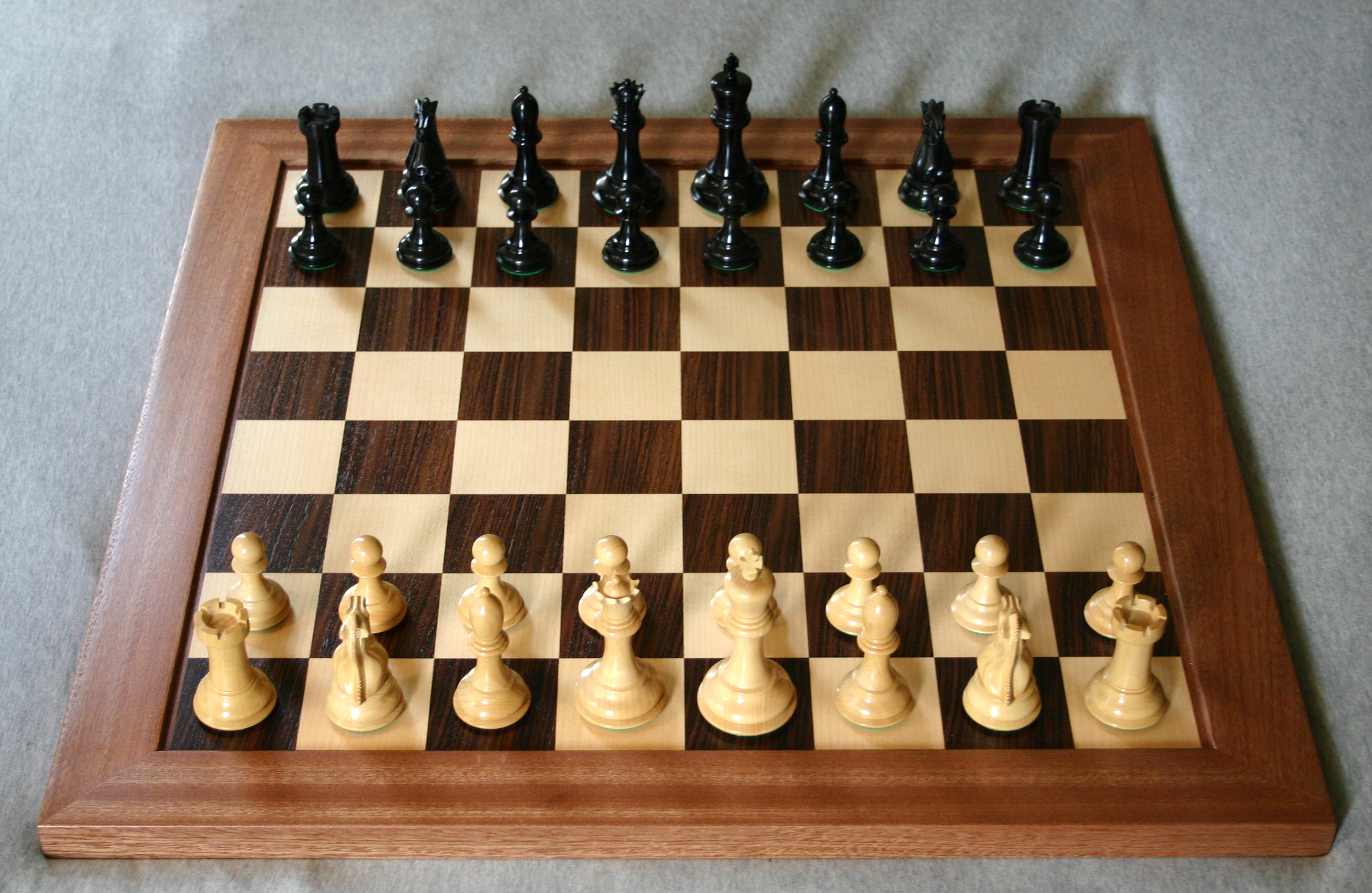
King’s Gambit Declined
Falkbeer Counter-Gambit (2…d5): Black countergambles in the center. After 3.exd5 e4, Black cedes the d5 pawn for active piece play and the initiative. Risky and interesting; White has to be precise or Black’s lead in development becomes dangerous quickly.
Classical Declined (2…Bc5): Natural development. After 3.Nf3, the position remains roughly equal with normal play. Less exciting than the accepted lines but sound.
Modern Decline (2…d6): Solid, flexible, unexciting. Black supports e5 and develops normally.
Historical importance
The King’s Gambit was the dominant opening in Romantic-era chess (approximately 1800–1880). Adolf Anderssen used it to produce the Immortal Game and the Evergreen Game. Paul Morphy, widely considered the strongest player of the 19th century, played both sides. When Steinitz’s positional school emerged, the gambit fell from favor: pawn deficit, kingside weakness. Defensive players had learned to hold it.
Fischer revived it in the 1960s. Mikhail Tal used it as part of his attacking repertoire. It never fully disappeared from serious practice after that, and it has had another visible resurgence more recently in faster time controls, where the sharp, forcing nature of the accepted lines rewards calculation speed over deep preparation. Ian Nepomniachtchi, a former World Championship challenger, has played it repeatedly in rapid and blitz events in the 2020s, including a 22-move demolition of Peter Svidler at a World Rapid Team Championship and a win over Denis Lazavik at the 2023 FIDE World Blitz Championship, proof the opening still functions as a legitimate weapon at the very top of the game when the clock is short.
The Immortal Game, the King’s Gambit at its finest
Anderssen vs. Kieseritzky, London 1851. White sacrifices both rooks, a bishop, and the queen to deliver checkmate with the remaining pieces. It’s been called the finest chess game ever played. The King’s Gambit has never produced anything more spectacular. This is the opening’s defining argument.
Anderssen, Adolf White Kieseritzky, Lionel Black


For club players
The King’s Gambit is one of the best possible training openings, not despite its risk but because of it. Every game forces immediate, concrete decisions: which pawn to grab, when to castle, whether to trade queens or keep them on for attacking chances. There’s no long theoretical runway to hide behind. A player who works through fifty King’s Gambit games, on either side, comes out calculating faster and evaluating open positions more confidently than one who spent the same time on quieter systems. That’s a large part of why Fischer, having declared it theoretically suspect, kept playing it anyway: the practical value of forcing both players to actually play chess from move two never went away.
Sources
- Fischer, Bobby. “A Bust to the King’s Gambit.” American Chess Quarterly, 1961.
- Hooper, David, and Kenneth Whyld. The Oxford Companion to Chess. Oxford University Press, 1992.
- Anderssen, Adolf, vs. Kieseritzky, Lionel. London, June 21 1851.
- Fischer, Bobby. My 60 Memorable Games. Batsford/Pavilion. (affiliate)
- Tal, Mikhail. The Life and Games of Mikhail Tal. Everyman Chess. (affiliate)
This page contains affiliate links. As an Amazon Associate, DiscussChess earns from qualifying purchases.
Sources
- Fischer, Bobby. 'A Bust to the King's Gambit.' American Chess Quarterly, 1961.
- Hooper, David, and Kenneth Whyld. The Oxford Companion to Chess. Oxford University Press, 1992.
- Anderssen, Adolf, vs. Kieseritzky, Lionel. London, June 21 1851. (The Immortal Game.)
Further reading
- My 60 Memorable Games, Bobby Fischer ASIN verified via Open Library 2026-05-02. Contains annotated King's Gambit games on both sides, Fischer played it throughout his career despite his 1961 'bust' essay.
- The Life and Games of Mikhail Tal, Mikhail Tal ASIN verified via Open Library 2026-05-02. Tal's attacking philosophy (sacrifice for complications, trust in the chaos) is the spirit behind the King's Gambit.