Chess Olympiad 2024: India Wins Both Golds
At the 45th FIDE Chess Olympiad in Budapest, September 2024, India won the open and women's sections simultaneously for the first time in history. A complete breakdown of the result and what it means.
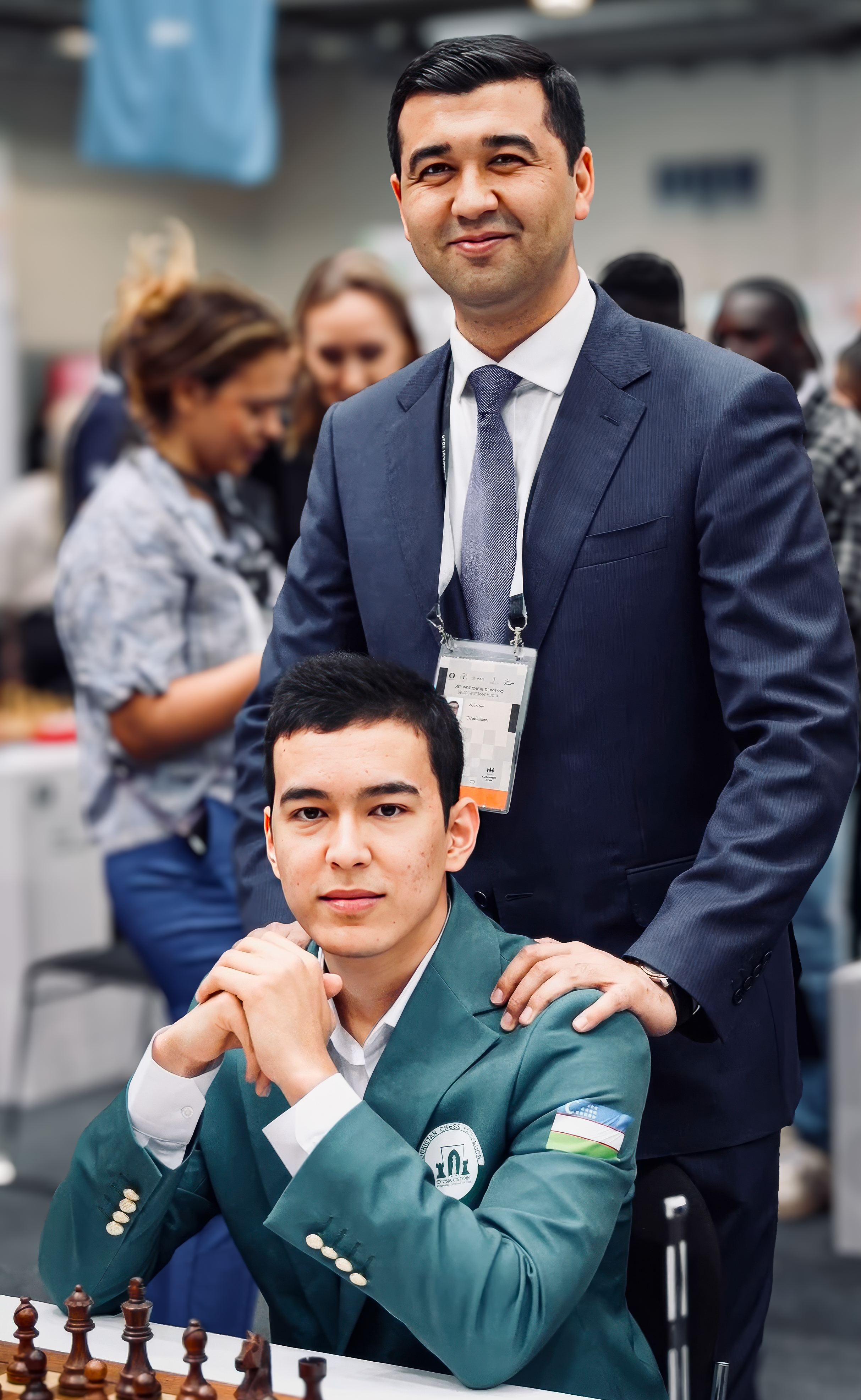
At the 45th Chess Olympiad in Budapest, September 2024, India won the gold medal in the open section and the gold medal in the women’s section. On the same day. In the same building. A double gold that no country had ever achieved before in the 94-year history of the event.
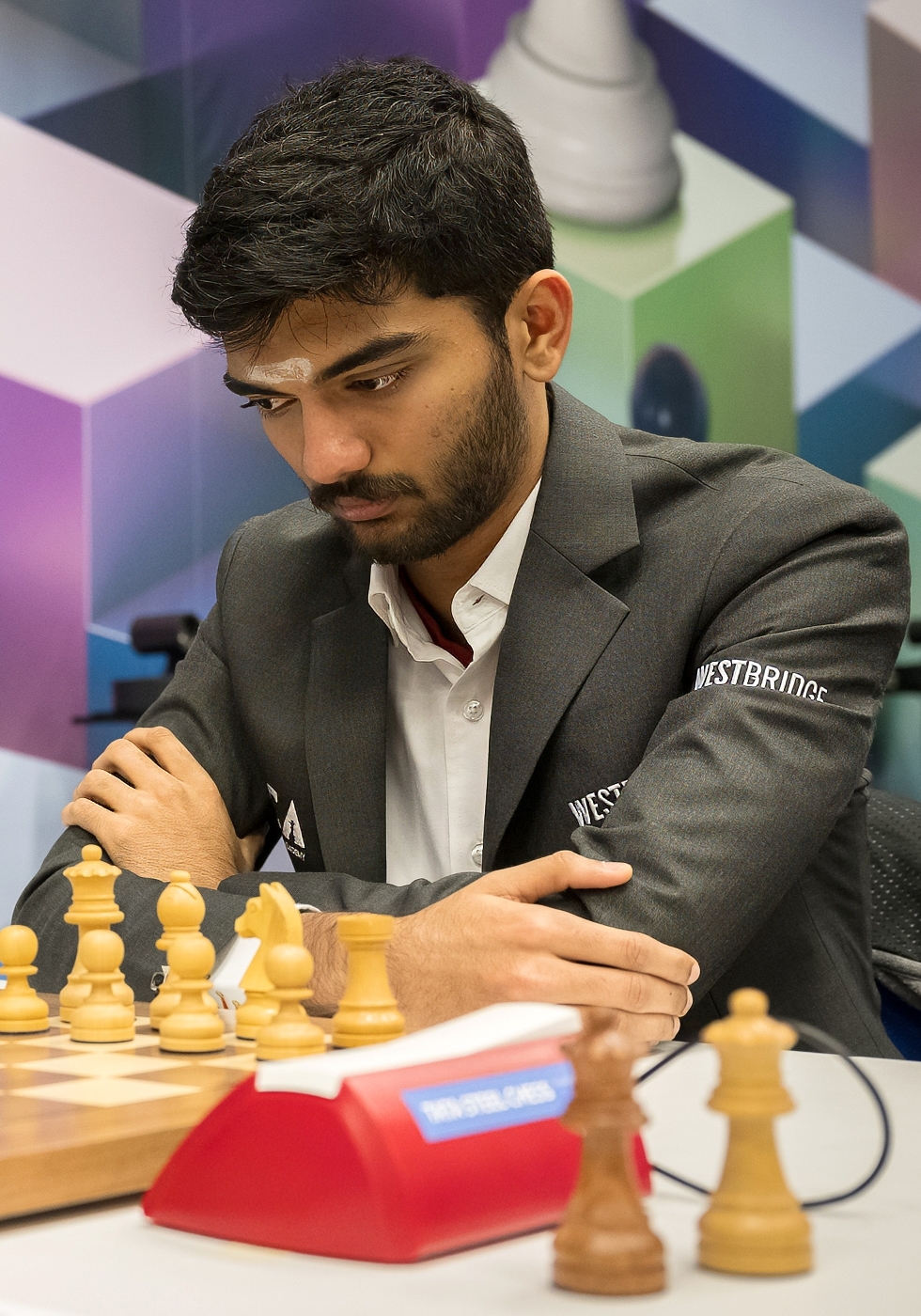
It wasn’t close in the open section. India finished with 21 out of 22 possible match points, four points ahead of the silver medalists, and that scoreline alone would have made headlines: it was India’s first-ever gold medal in the open section, never mind the double. Their five players, in board order, were Gukesh Dommaraju (Board 1), R Praggnanandhaa (Board 2), Arjun Erigaisi (Board 3), Vidit Gujrathi (Board 4), and Pentala Harikrishna (reserve), ranked against teams from 185 nations across eleven rounds of team competition.
The numbers that made India’s win decisive
Gukesh scored 9 points from 10 games on Board 1, a tournament performance rating of 3056. That number is almost certainly impossible to maintain over a longer sample. No player in history has a classical tournament performance above 3000 against a full field of top-level opposition for an extended event. But across ten games at the Olympiad, with Gukesh at 17, that’s what the score sheet said. He gained 30.1 rating points from the event alone and moved up to world number 5.
Arjun Erigaisi on Board 3 was nearly as dominant: 10/11, a 2968 performance, and 19.2 rating points gained, enough to leapfrog Fabiano Caruana into world number 3. Both Gukesh and Erigaisi won individual board gold medals for their performance ratings. Behind them, the scores were less spectacular but still solid: Praggnanandhaa went 6/10 on Board 2 with a 2713 performance, and Vidit Gujrathi went 7.5/10 on Board 4 with a 2744 performance, according to the official Chess-Results.com crosstable. Board 2 gold actually went to the Czech Republic’s Thai Dai Van Nguyen, who put up a 2783 performance, not to an Indian player, a reminder that India’s overall dominance wasn’t a five-for-five individual sweep. It was two exceptional boards, Gukesh and Erigaisi, carrying a team that was solid everywhere else.
The team’s overall statistics were stark: 50 wins, 26 draws, 12 losses across 88 individual games. The losses came when other players absorbed difficult assignments to give India’s top boards favorable pairings. That’s how team chess is supposed to work. It came together in the final round, when India beat Slovenia 3½-½, with Gukesh, Erigaisi, and Praggnanandhaa all winning their individual games to seal the gold outright.
The United States finished second. Their open team included Fabiano Caruana, Wesley So, Leinier Dominguez, Levon Aronian, and Ray Robson: average rating 2758, top-seeded. Hikaru Nakamura didn’t make the trip. Even without him, the US fielded arguably the strongest lineup they’d ever brought to an Olympiad. They finished with 17 match points, 4 behind India, and needed a superior tiebreak score (395.0) to edge out Uzbekistan (also 17 points, 387.0 tiebreak) for silver.
Uzbekistan claimed bronze on tiebreak over China and Serbia, both also tied at 17 points. Norway sent a team too, without Magnus Carlsen. He wasn’t in the lineup; Carlsen has generally skipped team events in recent years.
The women’s section was just as convincing
India’s women’s team (Vaishali Rameshbabu, Koneru Humpy, Harika Dronavalli, Divya Deshmukh, and Vantika Agrawal) won gold in their section simultaneously. All five players won individual medals, which is the detail that separates a strong team result from a fluke: nobody on the roster had a bad tournament.
Divya Deshmukh and Vantika Agrawal took individual gold medals on their boards. Harika Dronavalli took silver. The depth across all five boards was what made the result hold up under the pressure of the final round, when the women’s team also closed out with a 3½-½ win.
For reference: the Soviet Union dominated Chess Olympiads for decades. Their women’s team won gold in 11 of the 14 Olympiads held while the USSR existed, and the open section nearly as often. No nation had ever matched both sections in the same edition until India did it in Budapest. India winning gold in both sections in 2024 is the kind of result that gets put next to that history, not measured against the field of the moment.
What India’s dominance actually means
The obvious starting point is Viswanathan Anand. India’s first grandmaster (1988) and five-time world champion built a national chess culture that produced Gukesh, Pragg, and Arjun in a specific, traceable way, not just by inspiring them from a distance. In December 2020, Anand co-founded the WestBridge-Anand Chess Academy (WACA) with WestBridge Capital, bringing in grandmaster coaches Boris Gelfand, Artur Yusupov, Grzegorz Gajewski, and Sandipan Chanda alongside himself. Gukesh, Praggnanandhaa, and Erigaisi were all early fellows of the program, training under a structured curriculum with direct access to a five-time world champion’s opening preparation and match experience, rather than generic club instruction. It’s a specific institutional pipeline, not folklore.
But infrastructure alone doesn’t produce a Gukesh at 17 with a 3056 TPR. That comes from training quality, competitive volume (Indian players play more rated games per year than almost any cohort in the world), and the specific combination of coaching and ambition that’s hard to architect from above.
The more practical explanation is that a critical mass formed. Once Pragg was reaching World Cup finals against Carlsen (2023) and Gukesh was winning the Candidates, younger Indian players had live proof that the title was achievable. That changes how you train.
Why the Chess Olympiad matters
Some chess events are glamorous; the Olympiad is foundational. Every significant chess nation participates. The team format rewards consistency across all five boards rather than individual brilliance on one. And it’s the one event where national pride is actually built into the structure, players aren’t competing for prize money, they’re competing for their country.
India winning both golds is the chess equivalent of a small country sweeping the relay races at the Olympics. The result has lasting structural meaning: India is now the chess superpower, not an emerging one.
For serious study of the endgame technique this generation runs on, Silman’s Complete Endgame Course organizes endgame knowledge by playing level, so you’re studying what you actually need. Fischer’s My 60 Memorable Games is still the best available example of how a player at this level annotates their own work. Our improvement guide covers which to read first depending on your current level.
Also see: Gukesh’s world title win, which came three months after Budapest. The 2024 Chess Olympiad was the last major event before he became champion.
Sources
- Open event at the 45th Chess Olympiad, Wikipedia
- Double gold for India at the Chess Olympiad in Budapest, ChessBase
- India Win It All: 14 Things We Learned, Chess.com
- 45th Chess Olympiad 2024, official crosstable, Chess-Results.com
- WestBridge-Anand Chess Academy, Wikipedia
- Silman, Jeremy. Silman’s Complete Endgame Course. Siles Press, 2007.
This page contains affiliate links. As an Amazon Associate, DiscussChess earns from qualifying purchases.
Sources
Further reading
- Silman's Complete Endgame Course, Jeremy Silman ASIN verified via Open Library 2026-05-02. Siles Press 2007. The endgame fundamentals that underpin the Indian generation's technical precision.
- My 60 Memorable Games, Bobby Fischer (Batsford/Pavilion edition) ASIN verified via Open Library 2026-05-02. Batsford/Pavilion current edition. Fischer's own annotations of his best games.
- House of Staunton Grandmaster Chess Set, 4.0" King (Ebonized Boxwood) ASIN verified via Amazon 2026-05-02. The standard wooden Staunton set for serious home analysis.