How to Improve at Chess: What Actually Works
Below 1600 rated, most games are decided by tactical mistakes. Fix tactics first. Then endgames. Then openings. The order matters more than the hours you put in.
Below 1600 rated, most games are decided by tactical mistakes. Not strategic errors. Not opening preparation gaps. One player misses a winning tactic, or walks into one they didn’t see. Fixing that is worth more improvement time than anything else at that level. Tactics first, endgames second, openings last, and the order matters enormously because getting it backwards is the most common reason club players plateau.
Tactics: the fastest path to rating points
Solve tactical puzzles daily until pattern recognition becomes automatic. Forks, pins, skewers, discovered attacks, back-rank mates, removing the defender. Not exotic 10-move combinations: the basic patterns that appear in nearly every club game.
The method matters as much as the volume. Don’t browse puzzles casually. Set a timer, give yourself 3–5 minutes per position, and if you don’t find the answer, look at it, actually understand why it works, which square was weak or which piece was undefended. Then move on. Skim past failures and you reinforce nothing.
Do themed sets before mixed solving. Fifty pin problems in a row locks in the pattern faster than fifty random puzzles. Once a theme feels automatic in isolation, move to the mixed trainer.
Lichess’s free puzzle trainer and Chess.com’s puzzle rush both work. The tool matters less than doing it every day. Thirty focused minutes daily moves a player from 900 to 1200 faster than any other single activity.
Endgames before openings: always
The second-most-common improvement blocker: losing drawn endgames, and missing won ones. Most players under 1400 lose technical endgames they should convert and draw positions they should save. That bleeds points constantly.
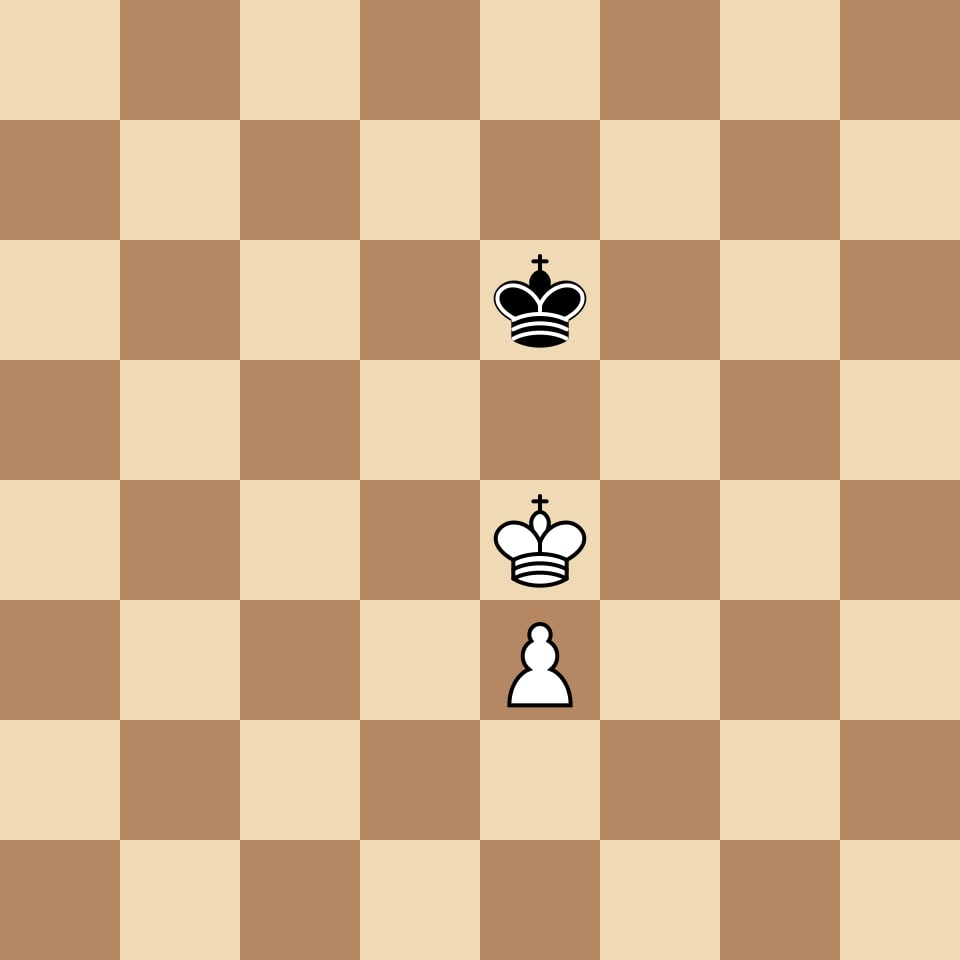
The endgame knowledge that actually moves the needle at club level is narrow. King and pawn versus king: opposition, key squares, Zugzwang. Rook endings, the Lucena position (how to win rook-plus-pawn-on-the-seventh versus rook) and the Philidor (how to draw it as the defender). These two positions cover a huge percentage of practical rook endings. Queen versus pawn on the seventh rank, there’s a non-obvious queen maneuver that forces a win; without it, winning positions become draws.
That’s three categories. Know them cold before spending serious time on openings.
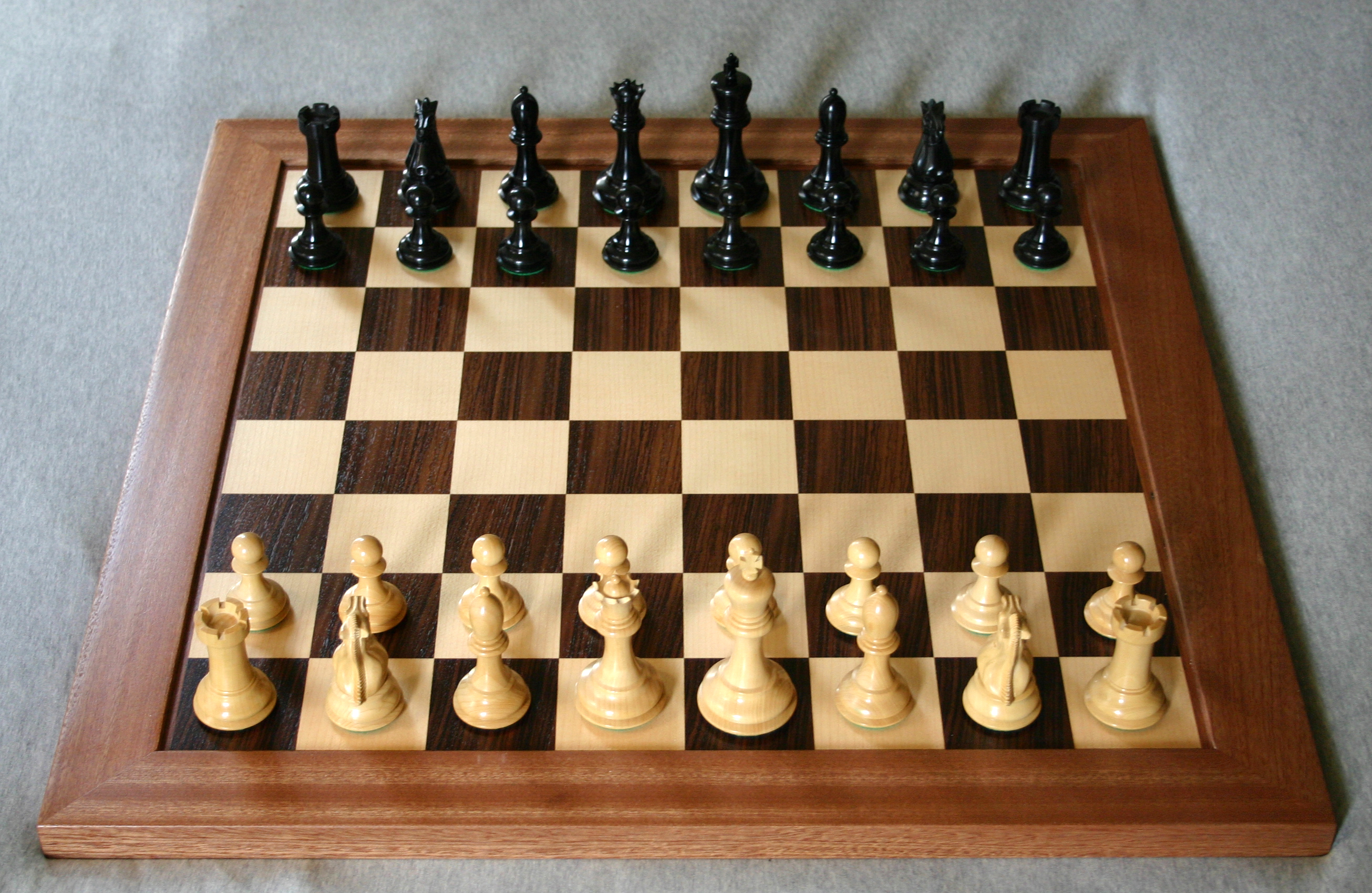
Jeremy Silman’s Complete Endgame Course organizes this by rating level, what a 1000-rated player needs to know, what a 1400-rated player needs to know, and so on. Reading the section above your current level just confuses things. Start at your level, master it, move up. Jesús de la Villa’s 100 Endgames You Must Know covers the essential positions with exceptionally clear explanations. See our recommended chess books for both.
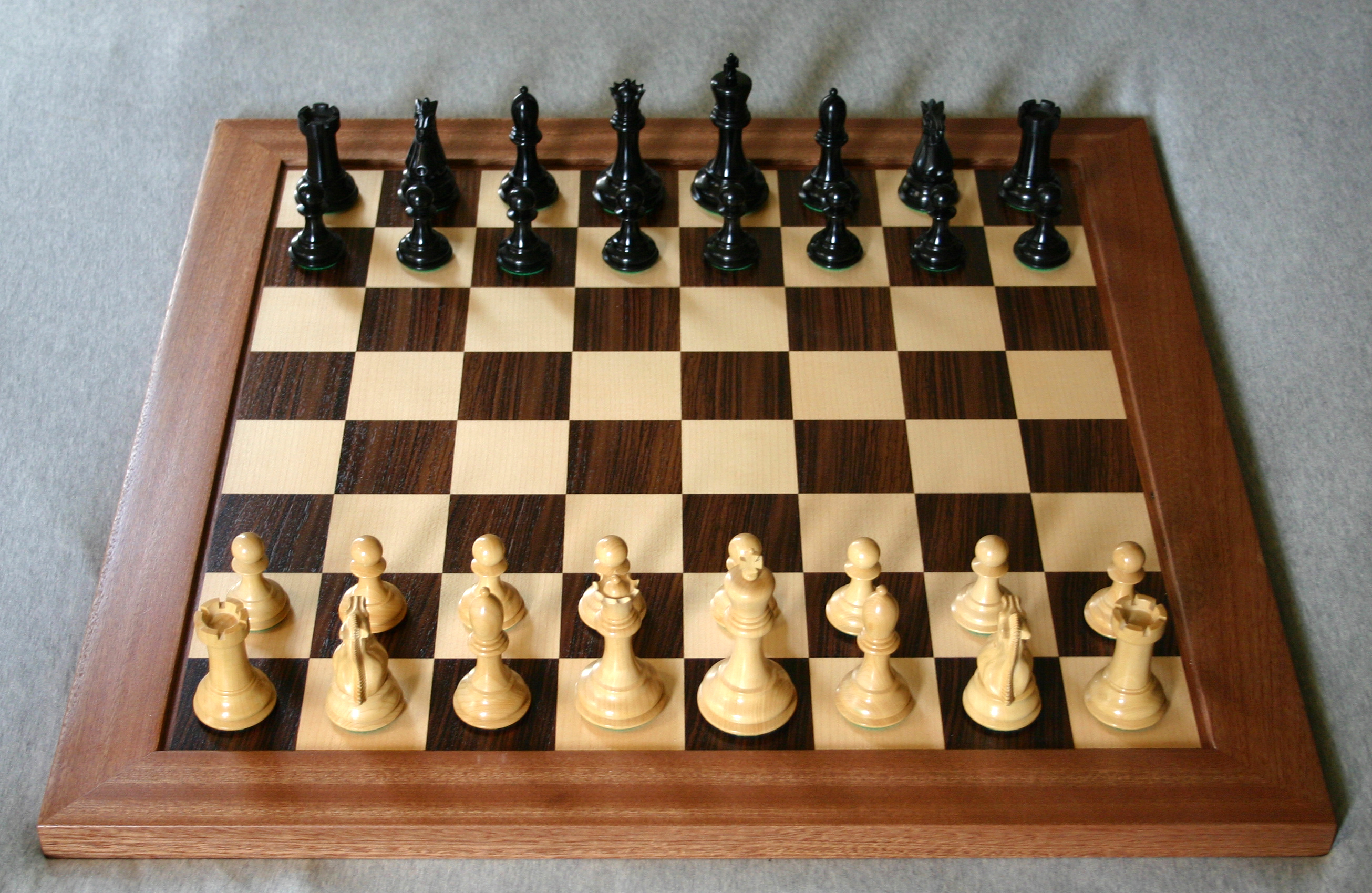
Endgame positions, where tactical errors thin out and structural understanding takes over, are where most club players lose rating points they shouldn’t. Two positions (Lucena and Philidor) cover the majority of practical rook endings you’ll encounter. Photo: via Wikimedia Commons. CC BY-SA 4.0.
Openings: after 1400, focused and narrow
Openings are the last priority. Not because they don’t matter, they do, but because the return on opening study is much lower than tactics and endgames until you’re playing at a level where games don’t end in tactical blunders in the first 20 moves.
When you do study openings, pick one system on each side and understand it deeply. The goal isn’t memorizing 30 moves, it’s understanding the pawn structures, the typical piece placements, and the middlegame plans that follow. That understanding transfers even when your opponent deviates from theory.
For most club players, the Sicilian Defense as Black against 1.e4 is worth understanding structurally even before memorizing specific lines. It’s the opening Bobby Fischer and Garry Kasparov used to win, studying its logic teaches you the kind of chess thinking that transfers across positions. Not because it’s the best opening, but because the queenside counterplay logic it teaches (open c-file, pawn majority, race between king attacks) is the kind of chess thinking that transfers to other positions.
Blitz isn’t study
This is the advice most ignored. Blitz (3-minute, 5-minute games) is entertaining and addictive. It does almost nothing for improvement at club level. The time pressure forces superficial pattern recognition and punishes the calculation you’re trying to develop. You can’t study your mistakes because you can’t remember the positions afterward.
Blitz isn’t harmful. Play it for enjoyment. But treating blitz as your main practice mode caps improvement. Play at least G/30 when studying. G/60 or G/90 for serious practice. Slower time controls force calculation rather than reaction, which is the thing you’re actually trying to build. A digital chess clock (affiliate) enforces this honestly, without one it’s too easy to let a “slow” study game drift into an untimed conversation.
Go through your finished games yourself, before the engine
The single highest-leverage activity that almost no club player does consistently: review your finished games, move by move, without the engine first.
Right after a game, write down where you felt uncertain, where you thought you were winning or losing. Then go through it with a board, looking for better moves. Don’t skip positions because “it was obviously losing”. That’s where the learning is. Then open the engine and compare.
The goal isn’t to find computer moves. It’s to identify where your thinking was wrong. Players who do this consistently for six months find specific patterns: they keep missing a particular tactical motif, or mishandling a certain pawn structure. Those patterns become the study agenda. Generic study plans don’t tell you what you specifically need. Your own games do.
Sources
- Silman, Jeremy. How to Reassess Your Chess. Siles Press, 4th ed. 2010.
- de la Villa, Jesús. 100 Endgames You Must Know. New in Chess, 2008.
- Kotov, Alexander. Think Like a Grandmaster. Batsford, 1971.
This page contains affiliate links. As an Amazon Associate, DiscussChess earns from qualifying purchases.
Sources
- Silman, Jeremy. How to Reassess Your Chess. Siles Press, 4th ed. 2010.
- de la Villa, Jesús. 100 Endgames You Must Know. New in Chess, 2008.
- Kotov, Alexander. Think Like a Grandmaster. Batsford, 1971.
Further reading
- Silman's Complete Endgame Course, Jeremy Silman (Siles Press, 2007) ASIN verified via Amazon 2026-05-02. Organizes endgame study by rating level.
- 100 Endgames You Must Know, Jesús de la Villa (New in Chess, expanded ed.) ASIN verified via Amazon 2026-05-02. New in Chess standard edition. Essential endgame reference.
- How to Reassess Your Chess, Jeremy Silman (Siles Press, 4th ed. 2010) ASIN verified via Amazon 2026-05-02. Core text for positional understanding above 1400 ELO.