History of Chess: From 6th-Century India to the Modern Game
Chess began as chaturanga in 6th-century India, spread through Persia and the Arab world, reached Europe in the 9th century, and acquired its modern rules, including the powerful queen, in 15th-century Spain. Here's how the game became chess.
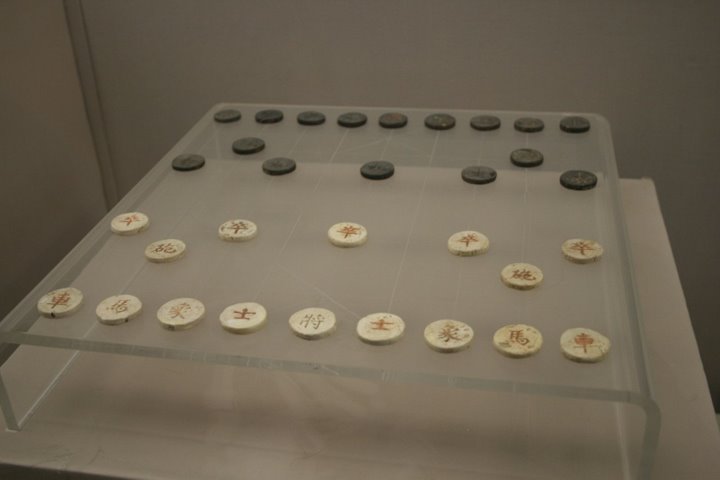
Chess was invented in India sometime in the 5th or 6th century CE, most likely in the Gupta period. The earliest form was called chaturanga, Sanskrit for “four divisions”, referring to the four branches of the Indian military: infantry, cavalry, elephants, and chariots. These became, through Arabic and Persian transmission, the pawns, knights, bishops, and rooks of the modern game.
The transition from that game to the chess played in the 2024 World Chess Championship between Gukesh Dommaraju and Ding Liren took roughly 1,400 years. The basic structure (two armies, one king per side, capture and checkmate) has held throughout. The pieces, the board size, and the specific movement rules changed substantially in the first millennium of the game’s existence, then stabilized. What we play today was essentially set by the early 16th century.
Chaturanga: the Indian original
The earliest written references to chaturanga date to the late 6th century CE. The game was played on an 8×8 board, the same dimensions as the modern game, with pieces representing the components of the classical Indian army.
The key pieces: a raja (king), a mantri (counselor, now the queen), ratha (chariot, now the rook), gaja (elephant, now the bishop), ashva (horse, now the knight), and padati (foot soldier, now the pawn). Movement rules differed significantly from modern chess: the mantri moved one square diagonally; the elephant moved two squares diagonally; the game had no castling, no en passant, no two-square pawn opening move.
The primary scholarly work on chess history is H.J.R. Murray’s A History of Chess (1913), still the most comprehensive source available. Murray traced the game’s geographic spread through manuscript evidence and cross-referencing with Arab and Persian references that cite Indian origin explicitly.
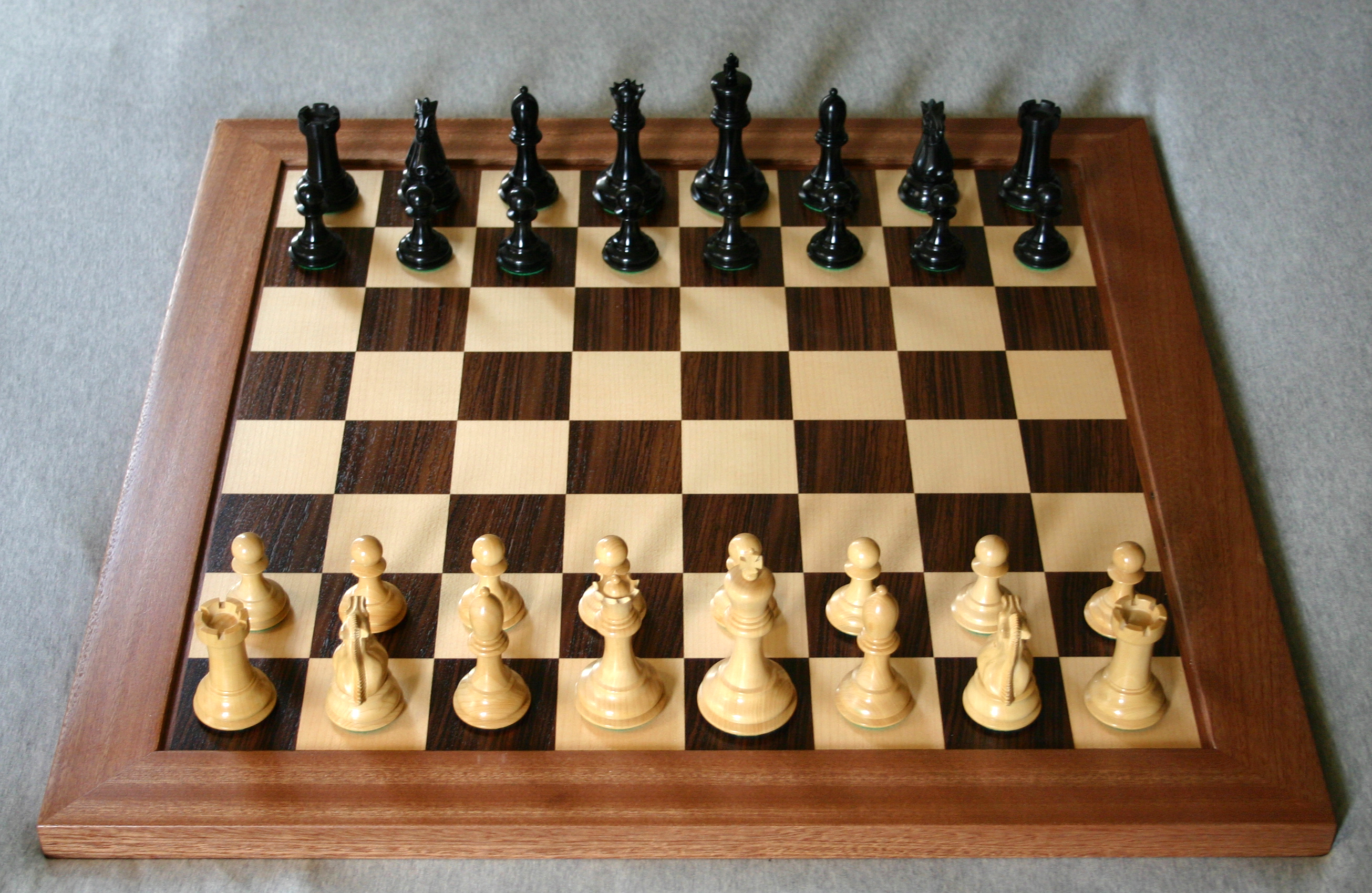
Shatranj: the Persian and Arab transmission
The game spread from India to Persia, probably in the late 6th century. The Persian word for chess (chatrang, later shatranj) derives from the Sanskrit chaturanga. Persian sources from the 6th and 7th centuries reference the game as coming from India. The Shahnameh of Ferdowsi (c. 1000 CE), the Persian national epic, includes an account of chess arriving in Persia as a gift from the Indian king.
Under Arab rule following the 7th-century Islamic conquests, shatranj became widespread across the Islamic world. Arab players developed a rich theoretical tradition, manuscripts survive describing opening analysis, endgame theory, and tactical themes. The Arabic term “shah mat” (the king is helpless/dead) became “checkmate” in European languages.
The queen in shatranj was the firz (counselor) and moved one square diagonally: a weak piece by modern standards. The bishop was the fil (elephant) and moved two squares diagonally, jumping over intermediate squares. Neither piece had the range and power they have today.
Entry into Europe: 9th to 11th centuries
Chess reached Europe through two main routes: the Arab conquest of Spain (711 CE) and Mediterranean trade via Sicily and southern Italy. The earliest European chess pieces date to approximately the 9th century. The game spread rapidly among the nobility and clergy.
The Lewis Chessmen (carved from walrus ivory and whale teeth, discovered on the Isle of Lewis in Scotland in 1831) date to approximately 1150–1200 CE. They’re one of the most complete surviving examples of medieval European chess pieces and show a game already recognizable: bishops, knights, rooks with towers. The pieces’ appearance reflects European feudal hierarchy, not the original Indian military structure.
The 15th-century revolution
The most important changes in chess history happened in 15th-century Spain and Italy. Two rules transformed the game:
The queen became powerful. The firz/mantri moved one square diagonally; the new queen moved any number of squares in any direction: diagonally, horizontally, or vertically. This single change made the game dramatically faster and more tactical. No single person is credited with the invention. The change spread through practice across Spanish, Italian, and neighboring courts before any one recorded ruling fixed it as the standard.
The bishop gained range. The fil/elephant moved two squares diagonally, jumping pieces; the new bishop moved any number of squares diagonally. Combined with the powerful queen, the resulting game had far more dynamic attacking possibilities.
Other changes: pawns got the option to move two squares on their first move (creating en passant), castling was introduced, and the promotion rule was standardized.
The earliest printed chess book, Luis Ramírez de Lucena’s Repetición de Amores y Arte de Ajedrez (c. 1497), describes the new rules. Ruy López de Segura’s 1561 treatise, which introduced the Ruy Lopez opening that bears his name, discusses the new game as established.
Standardization: 18th and 19th centuries
The final standardization came in the 18th and 19th centuries, particularly through European club chess. The Staunton design for chess pieces, proposed by Howard Staunton and published by Nathaniel Cook in 1849, became the international standard. Before Staunton, chess sets varied wildly by country and maker; a player traveling between France and England might find pieces they couldn’t identify.
The first international chess tournament was held in London in 1851. The same tournament where Adolf Anderssen played the Immortal Game. The first World Chess Championship match followed in 1886: Steinitz vs. Zukertort, establishing the championship lineage that runs to Gukesh’s 2024 title.
Sources
- Murray, H.J.R. A History of Chess. Oxford University Press, 1913. The definitive scholarly source.
- Hooper, David, and Kenneth Whyld. The Oxford Companion to Chess. Oxford University Press, 1992.
- Kasparov, Garry. My Great Predecessors, Part 1. Everyman Chess, 2003. (affiliate)
This page contains affiliate links. As an Amazon Associate, DiscussChess earns from qualifying purchases.
Sources
- Murray, H.J.R. A History of Chess. Oxford University Press, 1913. (The primary scholarly source.)
- Hooper, David, and Kenneth Whyld. The Oxford Companion to Chess. Oxford University Press, 1992.
- Gobet, Fernand, et al. Moves in Mind: The Psychology of Board Games. Psychology Press, 2004.
Further reading
- Garry Kasparov on My Great Predecessors, Part 1, Everyman Chess, 2003 ASIN verified via Open Library 2026-05-02. Opens with historical context on the first recognized world champions, tracing the game's scholarly tradition.
- Logical Chess: Move by Move, Irving Chernev ASIN verified via Open Library 2026-05-02. The annotated games in this book show the principles that emerged from the game's historical development in practice.