Ding Liren: China's First World Chess Champion
How Ding Liren won the 2023 World Chess Championship in Astana: the 100-game unbeaten streak, the match against Nepomniachtchi that went to tiebreaks, and what the title means for chess outside Europe.
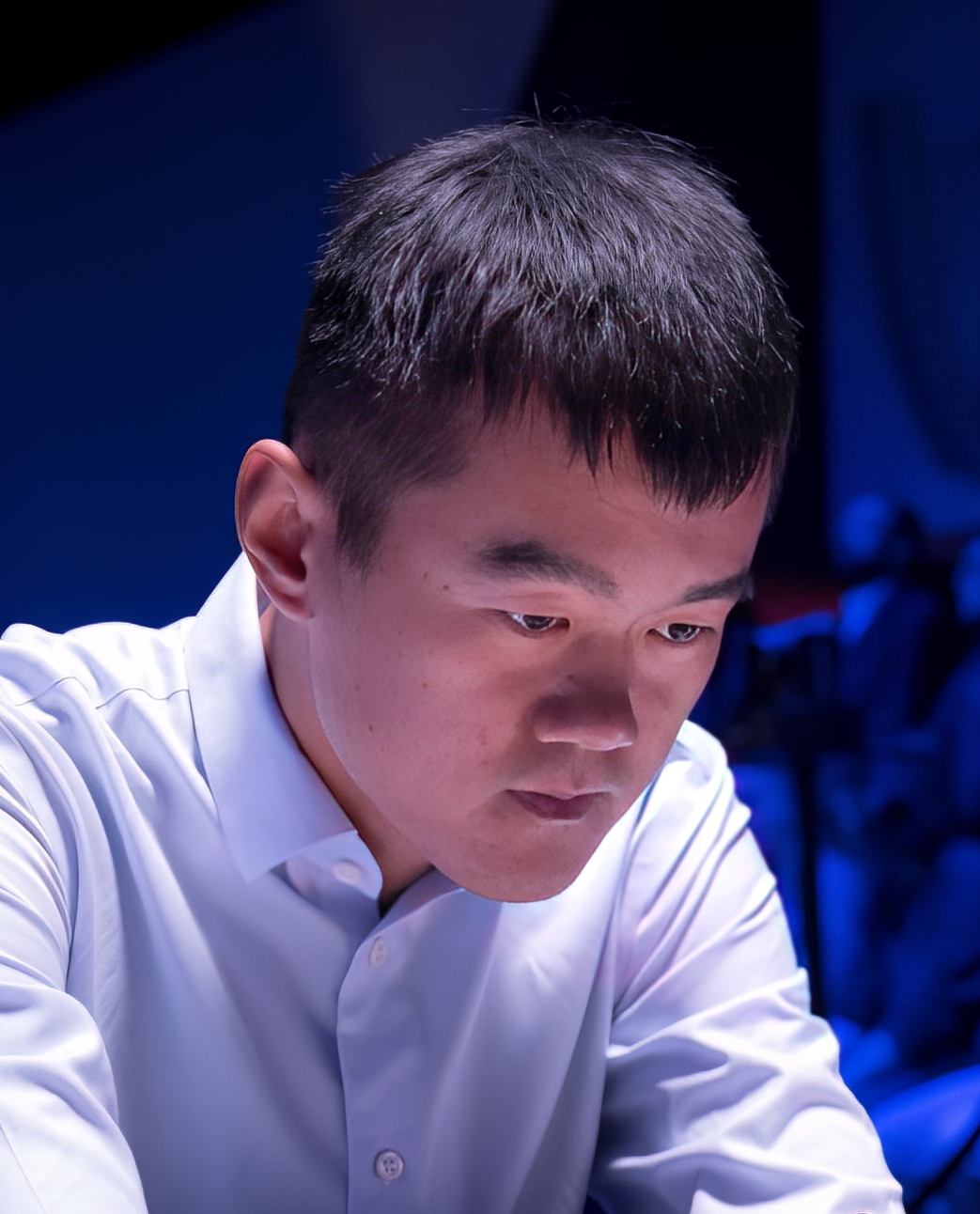
Ding Liren is a Chinese chess grandmaster and the 17th undisputed World Chess Champion, winning the title on April 30, 2023, by defeating Ian Nepomniachtchi in a rapid tiebreak in Astana, Kazakhstan. Born October 24, 1992, in Wenzhou, China, he was the first Chinese player to win the open World Chess Championship. Between August 2017 and February 2018, he played 100 consecutive classical games without a loss, a record in the modern game. His peak FIDE rating of 2816 places him among the all-time elite.
On April 30, 2023, in Astana, the decisive rapid tiebreak game ended in a rook endgame that Ding converted with the same technical precision that defined his career for a decade. He was the first Chinese player to hold the world championship.
Wenzhou to the top 10
Ding was born October 24, 1992, in Wenzhou, Zhejiang province. The Chinese Chess Federation has produced a succession of strong players over the past two decades (Yu Yangyi, Wei Yi, Wang Hao) but Ding was the strongest of his generation.
He earned the grandmaster title in 2009 and spent the next decade building steadily up the rankings. The Chinese chess infrastructure gave him structural support that smaller federations can’t match: regular high-level training partners, strong logistical organization, and competition exposure. By 2012, he was in the top 20. By 2015, he had broken into the top 5. By 2018, his peak rating reached 2816.
His style suited the long climb. He plays positional chess that minimizes tactical accidents and converts small advantages with technical precision. He rarely loses won positions.
The 100-game unbeaten streak
From August 2017 through February 2018, Ding Liren played 100 consecutive classical games without a loss across multiple elite tournaments including Grand Chess Tour events. The streak ended when Wesley So won a classical game against him at the Tata Steel Chess Tournament in Wijk aan Zee.
The streak measured sustained accuracy over time against world-class opposition in a way that most elite players never achieve. Ding won games during it, held difficult positions that required precise defensive play, and converted advantages that other players would have let slip. Both qualities, attacking precision and defensive solidity, were present throughout.
The record is referenced in comparisons to Magnus Carlsen, who held the longest classical unbeaten streak for years before Ding’s run surpassed it.
Road to the 2023 championship
Carlsen announced in 2022 that he would not defend his world title. His reasons centered on the classical championship format no longer holding his interest after five consecutive wins. His decision restructured who was competing.
The 2022 Candidates Tournament in Madrid became the path to a title whose holder had stepped aside. Nepomniachtchi won with 9.5/14. Ding qualified for the second position with 8/14 after another player became unavailable. Both entered the 2023 championship ranked in the top five in the world, with Nepomniachtchi at 2795 and Ding at 2788.
The match was held in Astana, Kazakhstan, in April 2023.
The 2023 match
Fourteen classical games. The final score was 6.5–6.5.
The match was less technically clean than the Carlsen-Caruana 2018 match and more dramatic. Both players reached winning positions in several games and failed to convert. Both survived positions that appeared lost. Nepomniachtchi won games and then lost leads. The psychological weight of a world championship match, which produces pressure that regular elite tournaments don’t replicate, was visible throughout.
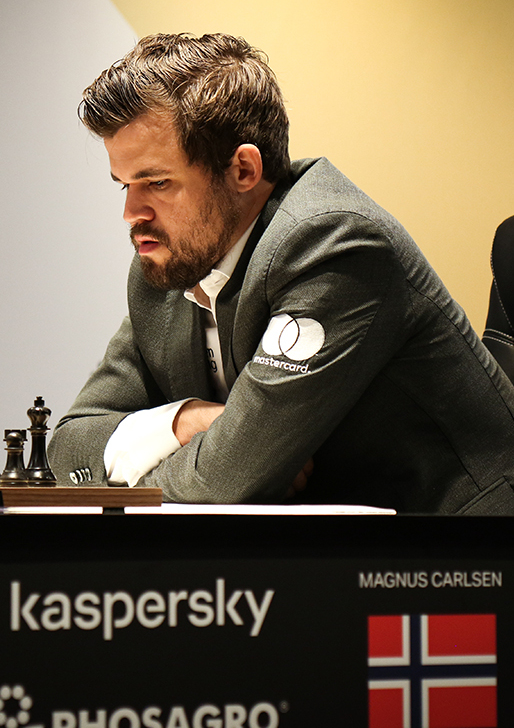
After 6.5–6.5 in classical play, the match moved to rapid tiebreaks. The games were competitive throughout. Nepomniachtchi led at points; Ding equalized. The decisive final game was the rook endgame that Ding won to secure the title 7.5–6.5 overall.
What the title means
Chess’s world championship has been held, with the exception of Bobby Fischer in 1972, by Soviet or Russian players from 1948 to 2000. Anand’s five titles from 2007 to 2013 broke that sequence. Carlsen’s titles from 2013 to 2023 were a Norwegian chapter. Ding’s title is the first for China, the first for East Asia, and the result of a federation investment in elite player development that ran for over two decades before producing a world champion.
The previous Chinese women’s world champions, Xie Jun and Zhu Chen in the 1990s and early 2000s, held the women’s title. No Chinese player had won the open championship before Ding.
Playing style
Ding’s chess is frequently compared to Garry Kasparov’s predecessor Karpov in style: positional, technical, endgame-focused. He doesn’t seek sharp complications. He reaches positions where his opponents are playing slightly less well than he does and converts.
His endgame technique is among the best in the current generation. The 100-game unbeaten streak documented his defensive resources as much as his winning ability. His opening preparation runs classical rather than sharply theoretical: solid structures rather than early forcing sequences. For books on the technical endgame style that defines his approach, 100 Endgames You Must Know by Jesús de la Villa (New in Chess) covers the positions Ding converts routinely that most club players lose. Silman’s Complete Endgame Course provides the same foundation organized by rating level.
Game 14: the moment that decided everything
The 2024 World Chess Championship came down to the final game. Ding and Gukesh were tied 6.5–6.5. On move 55, with a roughly equal position, Ding played Rf2. The move loses the resulting king-and-pawn endgame by a single tempo. Gukesh converted it cleanly. Ding resigned, handing Gukesh the game and the match 7.5–6.5. Ding had been world champion for 19 months. Gukesh is the current World Chess Champion.
Ding Liren White Gukesh D Black


Sources
- FIDE official rating history for Ding Liren
- World Chess Championship 2023 official results
- Doggers, Peter. “Ding Liren Is World Chess Champion.” Chess.com, April 30, 2023.
This page contains affiliate links. As an Amazon Associate, DiscussChess earns from qualifying purchases.
Sources
Further reading
- 100 Endgames You Must Know, Jesús de la Villa, New in Chess ASIN verified via Amazon inline reference. The 100 essential positions, Ding's endgame technique and the 100-game unbeaten streak are built on exactly this foundation.
- Silman's Complete Endgame Course, Jeremy Silman, Siles Press, 2007 ASIN verified via Open Library 2026-05-02. Organized by rating level, the endgame study sequence for players who want to develop the technical precision Ding exemplifies.