Ding Liren Is Playing Chess Again. It Took 500 Days.
After losing the world title to Gukesh in December 2024, Ding Liren disappeared from competitive chess for nearly a year and a half. He returned in April 2026 at the Chinese Team Championship, going 4/5 with a 2795 performance rating. What the comeback looked like, why it matters, and what comes next for the former world champion.
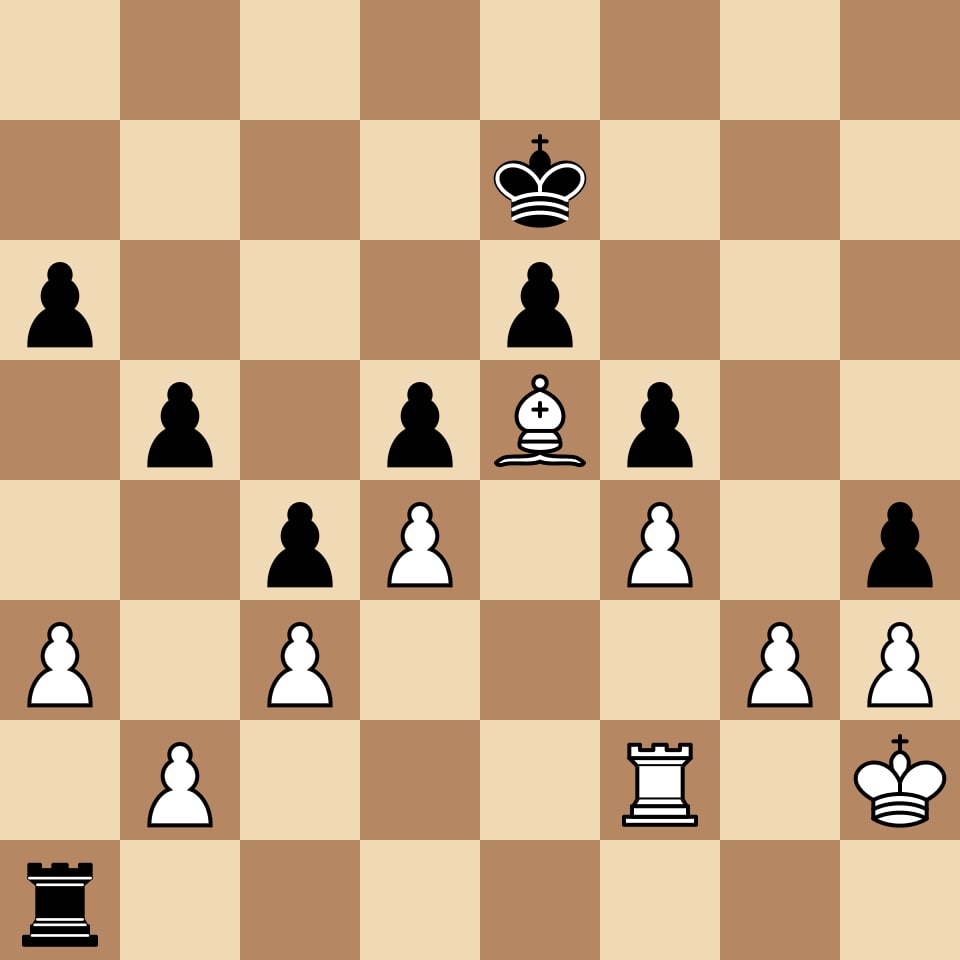
The last move Ding Liren played in a competitive chess game, before April 2026, was in the seventh hour of Game 14 of the World Chess Championship in Singapore, on December 12, 2024. The position was drawn. He found the losing move anyway. Gukesh Dommaraju saw it, thought for a few minutes to be sure, and won the game. Ding had lost his title. He smiled, they shook hands, he went to press. He said he was happy for Gukesh.
He was 32 years and 49 days old. Then he didn’t play a competitive game again for almost 500 days.
On April 19, 2026, Ding Liren played an over-the-board game in competitive chess for the first time since that night. The event was the Chinese Team Championship in Daqing, in Heilongjiang province. His team: Zhejiang Provincial Intellectual Sports Management Centre.
He went 4/5. Three wins, two draws. His performance rating across the five games was 2795. He gained 4 Elo points, moving to 2737.6, back into the world’s top 15. He arrived at the event rated 2734, having played almost no classical chess of any kind since Singapore, though he hadn’t vanished from chess entirely: he’d shown up occasionally in online blitz and rapid events and in domestic Chinese rapid tournaments, just never at a classical board with a full field watching.
The Chinese Team Championship itself is a large, serious event, not a soft landing spot for a comeback. The 2026 edition in Daqing drew 15 teams in the open section and 12 in the women’s section, 119 players total, 23 of them grandmasters. Ding played for Zhejiang Provincial Intellectual Sports Management Centre, one of China’s regional sporting-bureau teams, the same kind of institutional team structure that produced most of the country’s elite players, including Ding himself.
The comeback game, Round 1
Ding played Black with the Caro-Kann Advance in the first round against IM Chen Qi, rated 2484. He built a decisive advantage with a passed d-pawn that reached d2 by move 24, forcing Chen Qi’s resignation on move 25.
Chen, Qi b White Ding, Liren Black


What the disappearance was about
Ding has spoken publicly about his mental health over the years in ways unusual for top-level chess players. Before the 2023 WCC match against Nepomniachtchi, held in Astana, Kazakhstan from April 9 to 30, he discussed anxiety and emotional difficulty. He came into the match having not played a classical game in over four months due to what was described as personal health matters. He won anyway, in the most dramatic way the format allows: the 14 classical games finished tied 7-7, and Ding won the deciding rapid tiebreak game with Black to become the 17th World Champion. It was, by his own account afterward, a title he wasn’t sure he was in the right state to be defending even as he won it.
The 2024 match against Gukesh unfolded over nearly a month in Singapore. Ding was defending a title under conditions that had visibly taken something from him before the match began. His play was erratic in both directions, creative at moments and fragile at others. The blunder in Game 14 was one of the most painful ways a world championship has ended in memory. He knew what he’d done the moment he made the move. His face showed it.
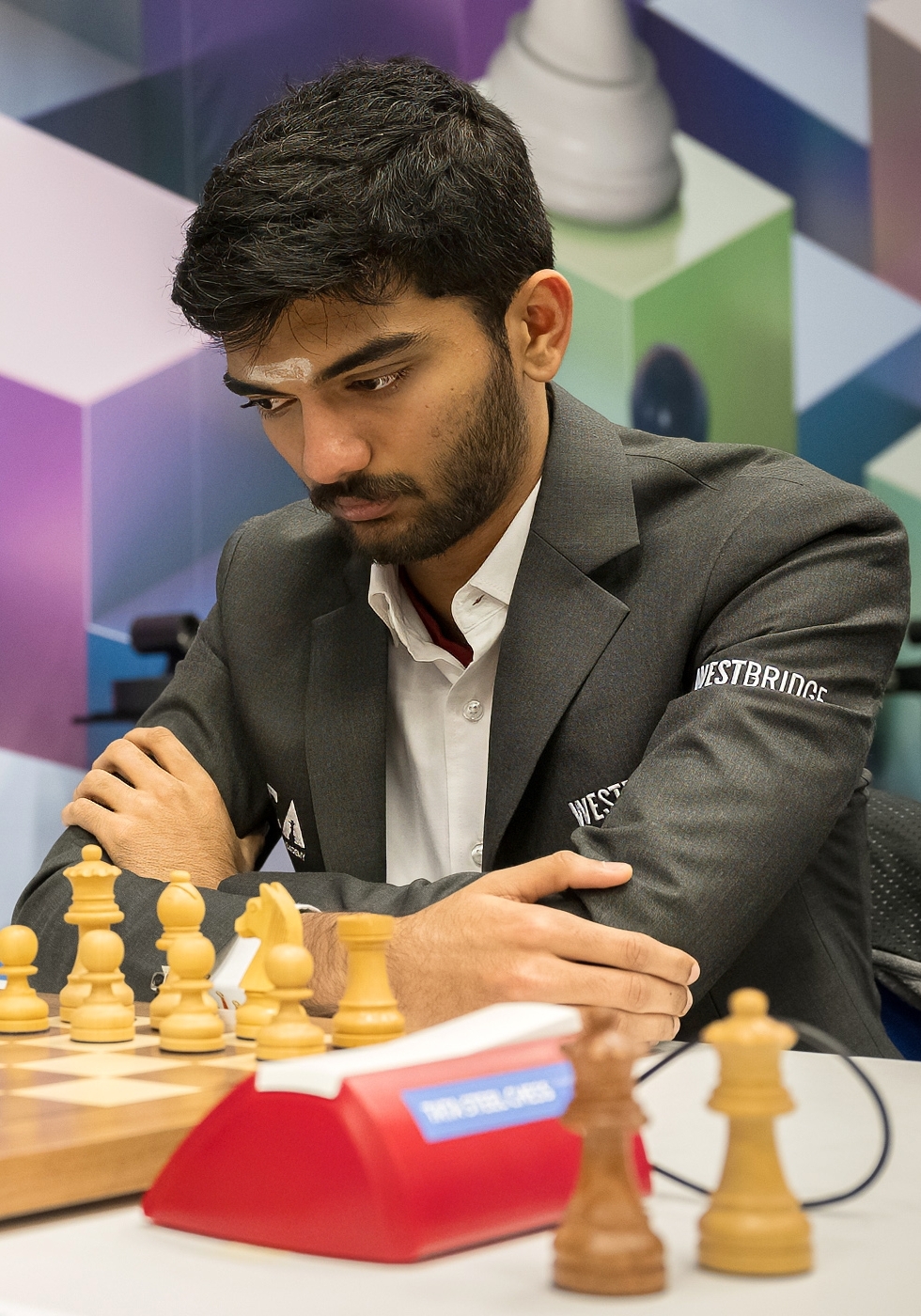
No public explanation was given for the 17-month absence. In chess circles, the silence itself was the explanation. The man had held the most demanding position in the game under conditions that would strain anyone, won it, tried to hold it, and lost it in the worst possible way. He needed to be away from chess.
What 2795 performance rating means
For a former world champion returning after 500 days, 4/5 with a 2795 performance tells you the machinery still works. The technical skill doesn’t evaporate. What atrophies after a long break is opening preparation (theory moves fast) and competitive rhythm, the ability to sit opposite an opponent for five hours without losing focus.
Ding showed neither problem in Daqing. He won his first three games, including a lopsided result over Meng Lihan in Round 4 that observers described as one-sided from early in the middlegame, then drew with Bu Xiangzhi in Round 7 and Wang Yue in Round 8. Bu and Wang are both experienced grandmasters who don’t give draws easily to rusty veterans, and both games are the kind that would have been losses, not draws, for a player whose calculation had genuinely eroded. That he held those two cleanly, on top of three wins elsewhere in the field, is the real signal in the 4/5 score.
His current rating, 2737.6, puts him around 15th in the world, outside the top 10 where he spent most of the previous decade. The gap to the current elite (Carlsen 2840, Nakamura 2792, Caruana 2788) is real. Getting back to Candidates qualification requires rated classical games at elite events, and those invitations have to come.
What comes next
There are no confirmed elite tournament invitations for Ding yet in 2026. That’s the practical problem of a long absence: the organizers who issue invitations to Wijk aan Zee, the GCT, Norway Chess, move to players who’ve been competing. Re-establishing presence takes time.
The 2027 Candidates cycle begins its qualification period after the 2026 WCC match. Ding will need strong results in whatever events he can enter to work his way back into contention. He’s 33. Not old for a world-class chess player. Karpov competed at the highest level into his 40s. Anand won the world title for the fifth time at 40. The precedent for world champions returning after difficult periods is real.
But those comebacks required the player to still want it enough to do the work. Daqing suggests Ding does.
For world champions who navigated their own moments of loss and resurgence, Kasparov’s My Great Predecessors Vol. 1 traces each of the early champions through their defining matches and their defeats. Ding is now a permanent part of that lineage. For the decision-making and recovery frameworks that apply beyond chess, Kasparov’s How Life Imitates Chess is the most directly useful of his general-audience books.
Sources
This page contains affiliate links. As an Amazon Associate, DiscussChess earns from qualifying purchases.
Sources
Further reading
- My Great Predecessors, Vol. 1, Garry Kasparov ASIN verified via Open Library 2026-05-02. Everyman Chess 2003. Kasparov's study of Steinitz, Lasker, Capablanca, Alekhine, the world champions who navigated their own moments of vulnerability and resurgence. The frame through which to read Ding's return.
- How Life Imitates Chess, Garry Kasparov ASIN verified via Open Library 2026-05-02. Bloomsbury USA 2008. Kasparov on decision-making under pressure and recovery from adversity, more directly applicable to Ding's 2026 situation than any chess-specific text.