Chess Study Plan: From 800 to Club Player
A concrete study plan organized by rating band. At 800, you're fixing tactics. At 1200, you're learning endgames. At 1400, you start openings. The sequence is the point. Getting it backwards is the most common reason improvement stalls.
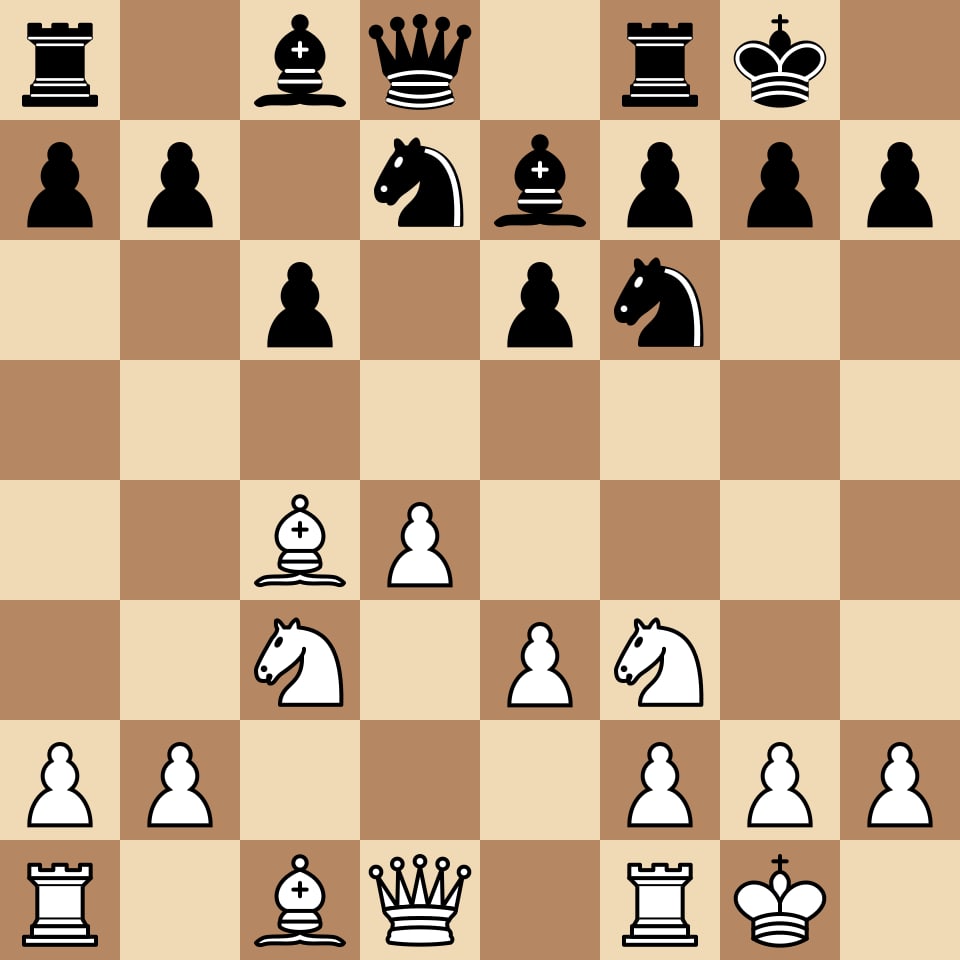
Most chess study plans fail because they ignore sequencing. Opening courses before you can see two-move tactics. Endgame theory before you understand why king activity matters. Six books at once, none finished. The plan below is organized by what actually returns improvement points at each rating level. The sequence is not arbitrary.
Phase 1 (800–1100): Stop losing to simple tactics
Below 1100, most games are decided by unforced blunders, pieces left hanging, back-rank mates not seen, basic forks missed. No amount of opening study fixes this. You need two activities:
Daily tactics puzzles, 20–30 minutes. Use Lichess (free) or Chess.com. Work through themed sets first: pins before mixed puzzles, forks before pins, back-rank mates before everything else. A theme practiced in isolation locks in faster than random mixed sets. After two weeks on each theme, switch to mixed puzzles. The goal is pattern recognition, you want to see a pin the way you see words, not calculate it from scratch every time.
Read Logical Chess: Move by Move. Logical Chess: Move by Move by Irving Chernev (Batsford) annotates 33 complete games, every move, in plain language. You don’t need to understand everything on a first read. You need to develop the habit of asking “why?” about each move: including the obvious ones. That thinking habit is worth more at this stage than any specific knowledge.
Play slow games. G/30 minimum. G/60 if you can find opponents. Blitz reinforces bad habits when you haven’t developed good ones yet. The goal of each game is to find your opponent’s threats before moving. A basic digital chess clock (affiliate) is worth the small cost at this stage, it removes the temptation to just talk through the position instead of actually playing under a real time budget.
At the end of Phase 1, you should have a tactics trainer rating around 1200 on Lichess, an ability to spot hanging pieces reliably, and a finished copy of Logical Chess.
Phase 2 (1100–1400): Learn the endgames you’ll actually play
At 1100–1400, tactical blunders are less frequent but not eliminated. The second major bleeding point: endgames. Most players in this range lose technical endgames they should convert and draw positions they should hold. That costs points every session.
The endgame knowledge that actually moves the needle at this level covers three categories:
King and pawn vs. king. Opposition, key squares, Zugzwang. When is a king-and-pawn endgame a win, and when is it a draw? Most players this level don’t know. Silman’s Complete Endgame Course (Siles Press, 2007) organizes this by rating level. Read the 1000-level and 1200-level sections only. Stop there.
Rook endgames (the Lucena and Philidor. The Lucena position (rook plus pawn on the seventh rank, defending king cut off) this is a win) and the Philidor position (defending against rook plus pawn, this is a draw if you know the defense). These two positions cover a large percentage of practical rook endings you’ll encounter. 100 Endgames You Must Know by Jesús de la Villa (New in Chess) covers both with the clearest explanations available at this level.
Queen vs. pawn on the seventh. There’s a non-obvious queen maneuver that wins positions many players incorrectly give up as draws. It appears in every endgame book. Learn it.
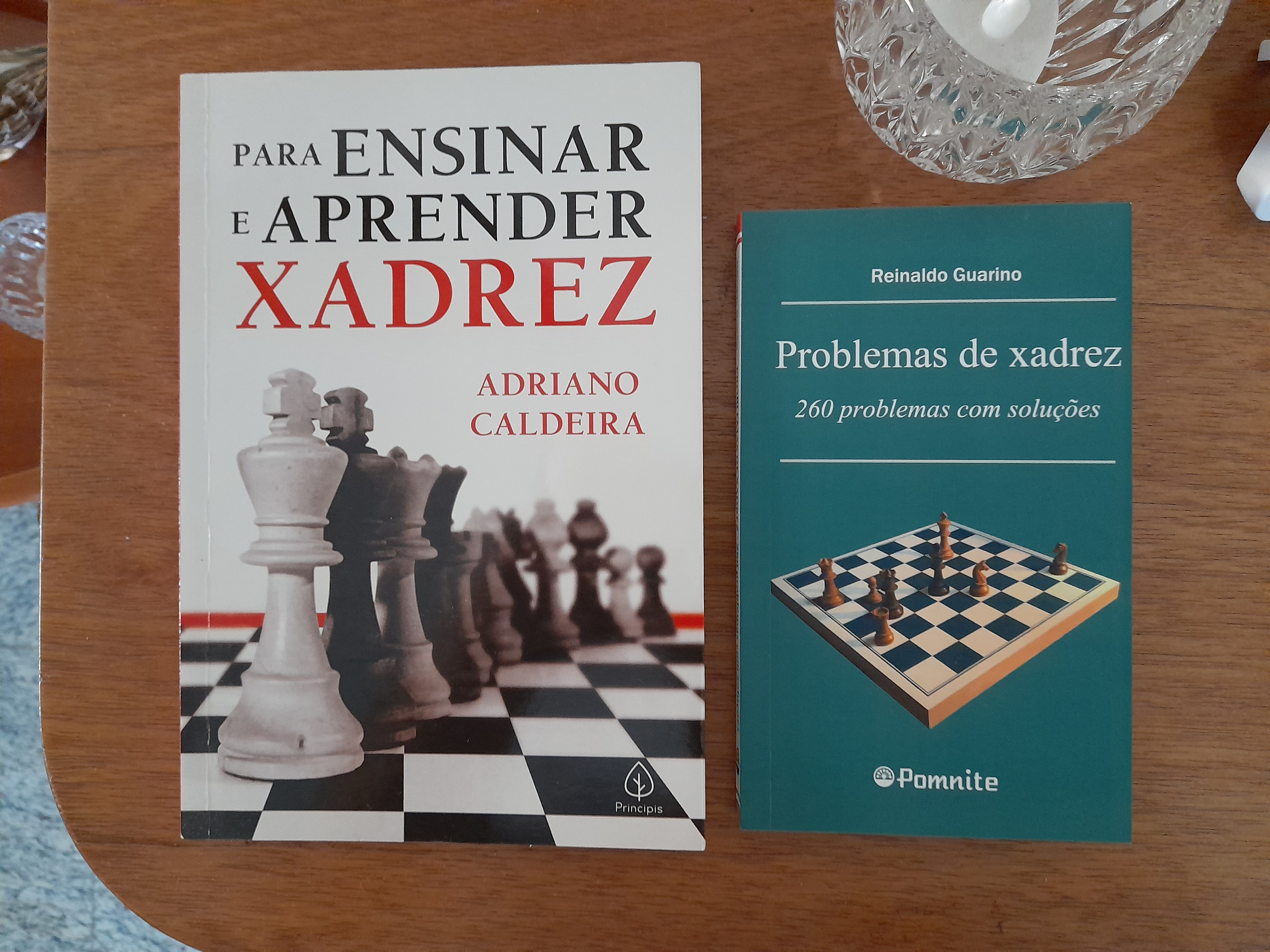
Continue daily tactics. At this stage, move toward mixed puzzles. 20–30 minutes daily remains the right volume. Add a game review practice: after every game you finish, go through it move by move before opening the engine. Write down where you felt uncertain. That analysis is worth more than the engine’s lines.
Phase 3 (1400–1600): Pick one opening and understand it
Below 1400, most opening study is premature. Games end before opening preparation matters. At 1400, you’re losing points in the opening in specific ways, and targeted study pays off.
There’s one exception. If you’re regularly walking into completely unfamiliar positions that end the game within fifteen moves, opening study earlier is justified. That’s rare below 1400, but it happens, and when it does, the sequencing above doesn’t apply to you yet.
Pick one system per side. The goal is not to memorize 25 moves of theory. The goal is to understand why the moves make sense. What pawn structures arise, where each side puts their pieces, what the middlegame plans are.
For Black against 1.e4: the Sicilian Defense’s Kan or Taimanov variation is the most practical starting point. Less memorization than the Najdorf, more counterplay than the Caro-Kann, and the queenside counterplay logic transfers to other positions. For Black against 1.d4: the King’s Indian or the Nimzo-Indian give dynamic positions if you prefer fighting chess; the Queen’s Gambit Declined is more solid.
For White: the Italian Game or the London System. The London is particularly low-maintenance, similar structures arise regardless of Black’s responses, which means less memorization and more time understanding plans.
Learn the opening through games, not move lists. Find five master games in the variation, go through them slowly, understand why each move was played. Then play the system in your own games. Structure will become automatic before memorization becomes necessary.
Phase 4 (1600+): Specific work on specific weaknesses
At 1600 and above, generic study plans become less useful than targeted analysis of your own games. The improvement agenda should come from your losses, not from a pre-set curriculum.
Review every game you finish. Find the move where you went wrong. Ask what you missed: a tactical motif? A structural concept? An endgame technique? That answer becomes the next month’s study focus.
Continue tactics daily. The volume can drop to 15–20 minutes at this stage; the intensity should stay high.
At this level, books on positional chess start earning their place: Jeremy Silman’s How to Reassess Your Chess (Siles Press, 4th edition) is the standard reference for understanding imbalances in positions. Alexander Kotov’s Think Like a Grandmaster (Batsford) remains useful for understanding calculation methodology, even though some of the specific techniques are disputed by modern trainers. Verify current ASINs for both before purchasing: multiple editions exist.
Realistic timelines
No timeline is universal. These are rough benchmarks assuming 30–45 focused minutes per day:
- 800 → 1000: 3–6 months of consistent tactics
- 1000 → 1200: 3–4 months, adding endgame work
- 1200 → 1400: 4–6 months, endgames + game review
- 1400 → 1600: 6–12 months, opening study + positional concepts
That number holds because focus matters more than duration. A genuinely focused 20-minute tactics session, the kind where you’re actually solving rather than half-watching, moves your rating more than 90 minutes of casual game-watching ever will.
Progress is not linear. Expect plateaus. When your rating stops moving for 6–8 weeks, it usually means you’ve fixed the most obvious weaknesses and need to identify the next layer. Your own game analysis, not a book, will tell you what that layer is.
See our complete chess improvement guide for more on tactics methodology, blitz vs. slow games, and why the game review habit returns more than any other activity.
Sources
- Silman, Jeremy. Silman’s Complete Endgame Course. Siles Press, 2007.
- de la Villa, Jesús. 100 Endgames You Must Know. New in Chess, 2008.
- Chernev, Irving. Logical Chess: Move by Move. Batsford.
This page contains affiliate links. As an Amazon Associate, DiscussChess earns from qualifying purchases.
Sources
- Silman, Jeremy. Silman's Complete Endgame Course. Siles Press, 2007.
- de la Villa, Jesús. 100 Endgames You Must Know. New in Chess, 2008.
- Chernev, Irving. Logical Chess: Move by Move. Batsford, 1957.
Further reading
- Logical Chess: Move by Move, Irving Chernev, Batsford edition ASIN verified via Open Library 2026-05-02. The foundational reading assignment for players in the 800–1200 band.
- Silman's Complete Endgame Course, Jeremy Silman, Siles Press, 2007 ASIN verified via Open Library 2026-05-02. Organized by rating level: read only the sections for your current level.
- 100 Endgames You Must Know, Jesús de la Villa, New in Chess ASIN verified via Amazon inline reference. The 100 essential endgame positions with clear explanations.