Catalan Opening: How It Works and Why
The Catalan Opening (1.d4 Nf6 2.c4 e6 3.Nf3 d5 4.g3) combines Queen's Gambit pressure with a fianchettoed bishop on g2. It applies slow, sustained pressure on Black's queenside and center that takes decades of elite games to neutralize.
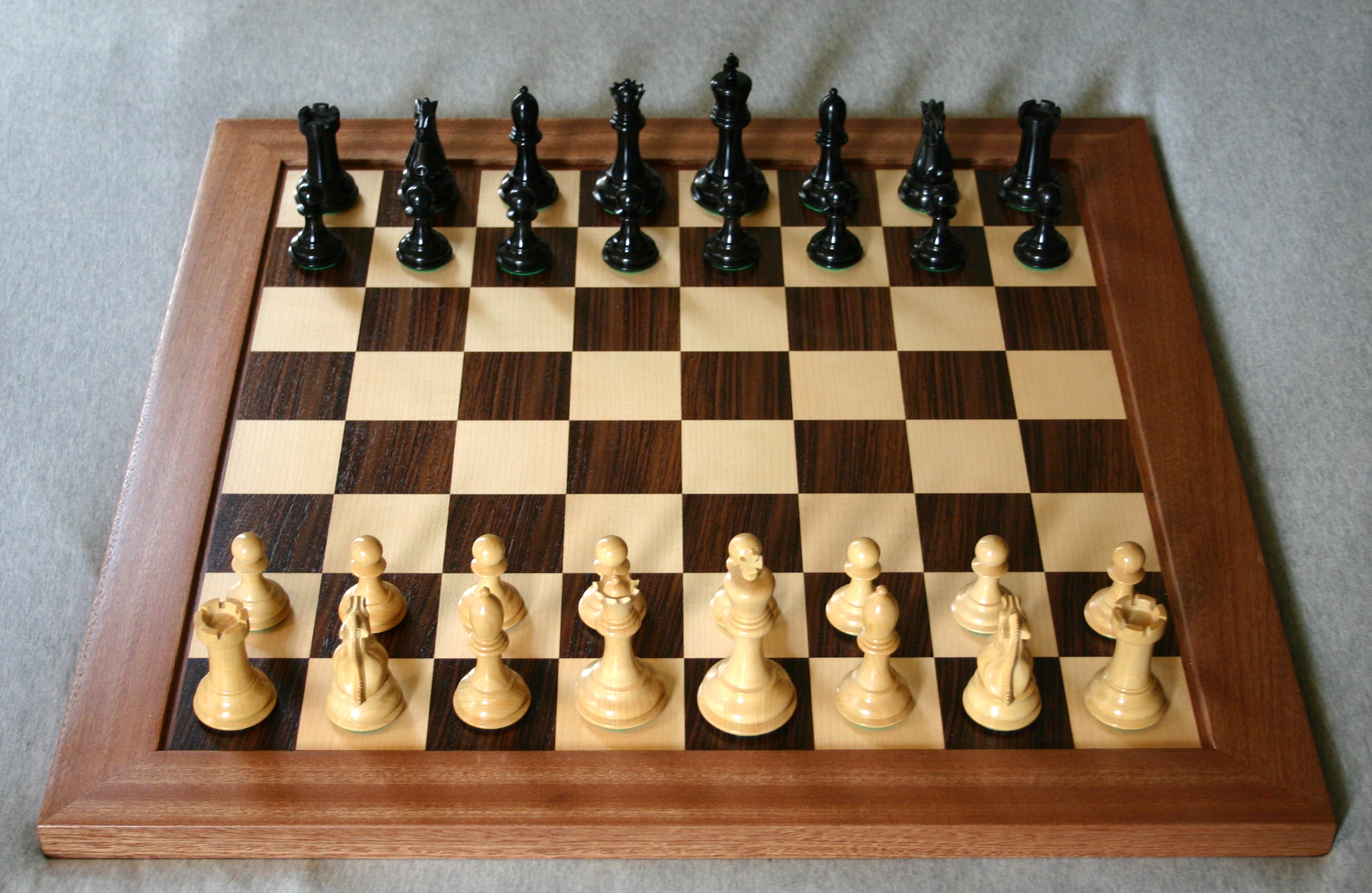
The Catalan Opening begins 1.d4 Nf6 2.c4 e6 3.Nf3 d5 4.g3. White fianchettoes the bishop to g2, combining the structural pressure of the Queen’s Gambit with a long-diagonal bishop that applies sustained pressure on Black’s queenside. Where the regular Queen’s Gambit tries to build a broad center and open lines with an eventual e4 push, the Catalan trades that plan for the long diagonal: the g2 bishop does the work e4-e5 pawn breaks would otherwise do.
An opening commissioned on purpose
Most openings evolve gradually, refined by whoever happens to play them. The Catalan was built to order. Organizers of the 1929 Barcelona tournament asked Savielly Tartakower, one of the era’s most inventive theoreticians, to create something new in honor of Catalonia’s chess heritage for the event. Tartakower delivered: he played 1.d4 Nf6 2.c4 e6 3.g3 against the Spanish master Joaquín Torres Caravaca in round six, on September 30, 1929, giving the system both its debut and its name in a single game. Similar ideas had surfaced before that, a Réti–Leonhardt game from Berlin the previous year transposed into an Open Catalan structure, and isolated examples go back even further, but Tartakower’s commissioned demonstration is what turned a loose family of ideas into a named, studied system. It caught on quickly: Capablanca, Alekhine, and Botvinnik, three world champions, all had it in their repertoire within the following decade, alongside elite contemporaries like Salo Flohr, Paul Keres, and Samuel Reshevsky.
Vladimir Kramnik is its most important modern champion, using the Catalan extensively throughout his career. His 2008 match against Viswanathan Anand featured it, Anand came prepared with specific anti-Catalan lines and beat him. But Kramnik’s decades of Catalan preparation are the reason the opening has been so deeply analyzed at the top level.
How it works
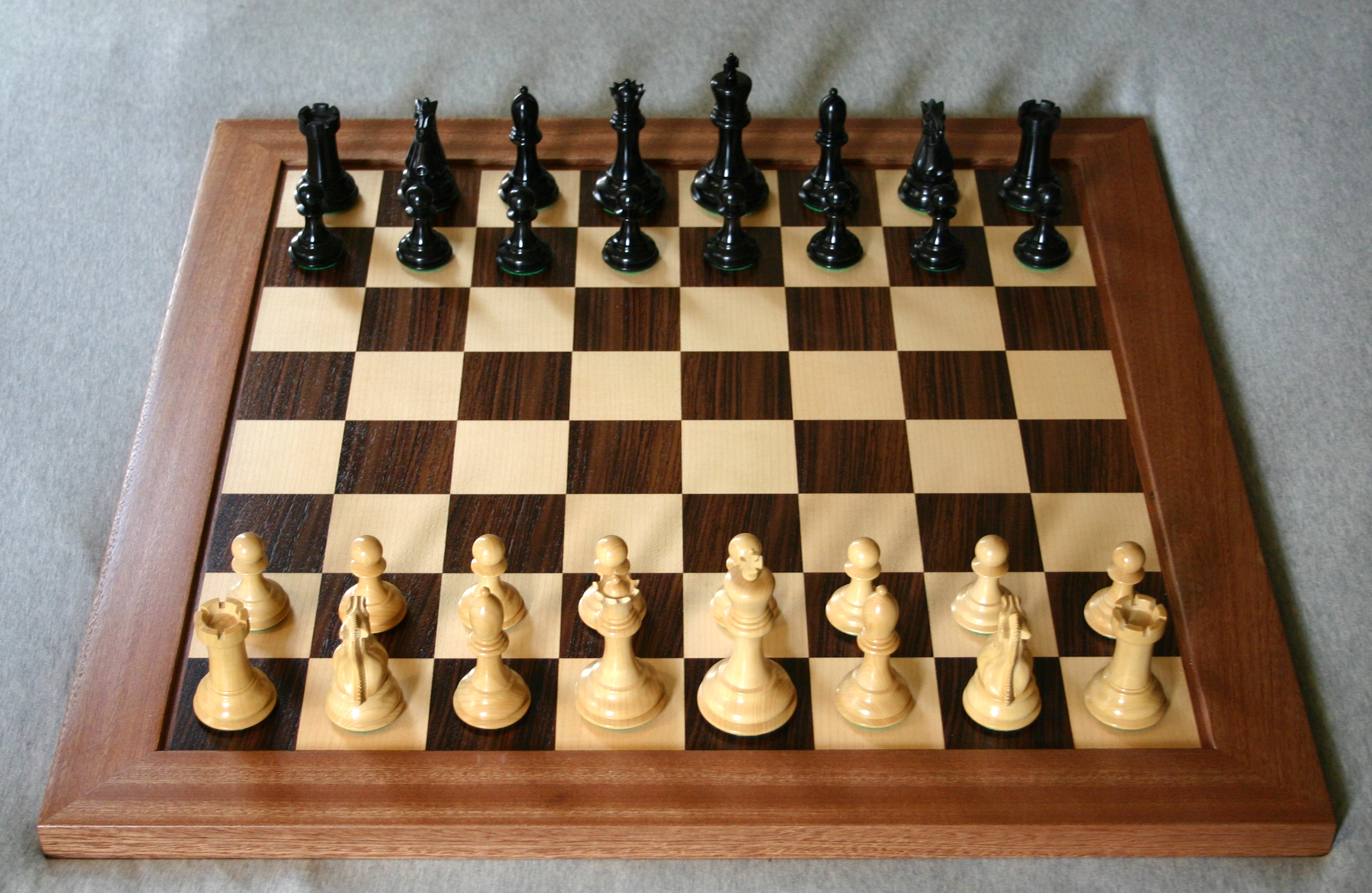
After 4.g3 Be7 5.Bg2 0-0 6.0-0, White’s setup is complete: bishop on g2 pressing the long diagonal, pawns on c4 and d4, rooks preparing d1 and c1. Black’s central challenge is what to do with the d5 pawn.
Open Catalan (6…dxc4): Black takes the c4 pawn. White doesn’t immediately try to recover it, instead develops naturally and generates queenside pressure via the long diagonal and c-file. Eventually White recovers the pawn but Black gets active piece play in return.
Closed Catalan (6…c6 or 6…b6): Black supports d5 and develops normally. White maintains queenside pressure with Qc2, Rd1, and the option of c4-c5 or d4-d5 pawn breaks when the timing is right.
Why it works at the elite level
The Catalan produces winning chances for White without tactical explosions. The pressure is slow and sustained — Black has to play accurately for 30-40 moves to hold equality, while White’s structure naturally improves. At the club level, most players can’t hold the defense accurately for that long. At grandmaster level, both sides know the positions deeply, which is why the games are so instructive.
For positional players who prefer accumulating small advantages across many moves, the Catalan is an excellent weapon. The key ideas — bishop long diagonal, c-file pressure, queenside pawn breaks — are clear and applicable across many variations. The positions reward understanding over memorization. The ideas themselves are teachable early. Holding them together over the board isn’t: players below roughly 1400 tend to lose the thread of a 30-move quiet squeeze, so the opening suits someone who already grasps structural imbalances more than someone still learning them.
Kramnik was exactly that kind of player. His own game was positional and technical, built on grinding out small advantages rather than forcing tactical complications, and the Catalan’s slow squeeze matched his temperament directly. Kramnik won the world title in 2000 partly on Catalan preparation. His match against Kasparov in London that year featured opening preparation at a level that neutralized Kasparov’s famous preparation advantage. The Catalan was central to that strategy.
Silman’s How to Reassess Your Chess covers the long-diagonal bishop and queenside imbalance concepts that make the Catalan work structurally. The endgames it produces are covered in de la Villa’s 100 Endgames You Must Know. Our chess improvement guide explains when positional openings like the Catalan become worthwhile to study.
The longest World Championship game, a Catalan
Carlsen vs. Nepomniachtchi, WCC 2021 Game 6. 136 moves. The longest game in World Chess Championship history. It started as a Catalan, Carlsen traded queens on move 26 to reach a rook-and-pawn endgame where his technique was superior. Nepo defended accurately for over 50 moves before cracking. After this game, Nepo lost four straight.
Carlsen, Magnus White Nepomniachtchi, Ian Black


Sources
- Hooper, David, and Kenneth Whyld. The Oxford Companion to Chess. Oxford University Press, 1992.
- Silman, Jeremy. How to Reassess Your Chess. Siles Press, 4th ed. 2010.
- de la Villa, Jesus. 100 Endgames You Must Know. New in Chess.
This page contains affiliate links. As an Amazon Associate, DiscussChess earns from qualifying purchases.
Sources
- Hooper, David, and Kenneth Whyld. The Oxford Companion to Chess. Oxford University Press, 1992.
- Nunn, John. Nunn's Chess Openings. Everyman Chess / Gambit, 1999.
Further reading
- How to Reassess Your Chess -- Jeremy Silman ASIN verified via Amazon 2026-05-02. Long-diagonal bishop and queenside imbalance concepts that define Catalan play are core to Silman's structural framework.
- 100 Endgames You Must Know -- Jesus de la Villa ASIN verified via Amazon 2026-05-02. Catalan endgames -- rook endings, minor piece technique -- are directly covered.