Caro-Kann Defense: The Solid Alternative to 1...e5 Explained
The Caro-Kann (1.e4 c6) is a solid, sound defense against 1.e4 that avoids the tactical complications of the Sicilian. Karpov used it to neutralize stronger opponents. Here's what makes it work.
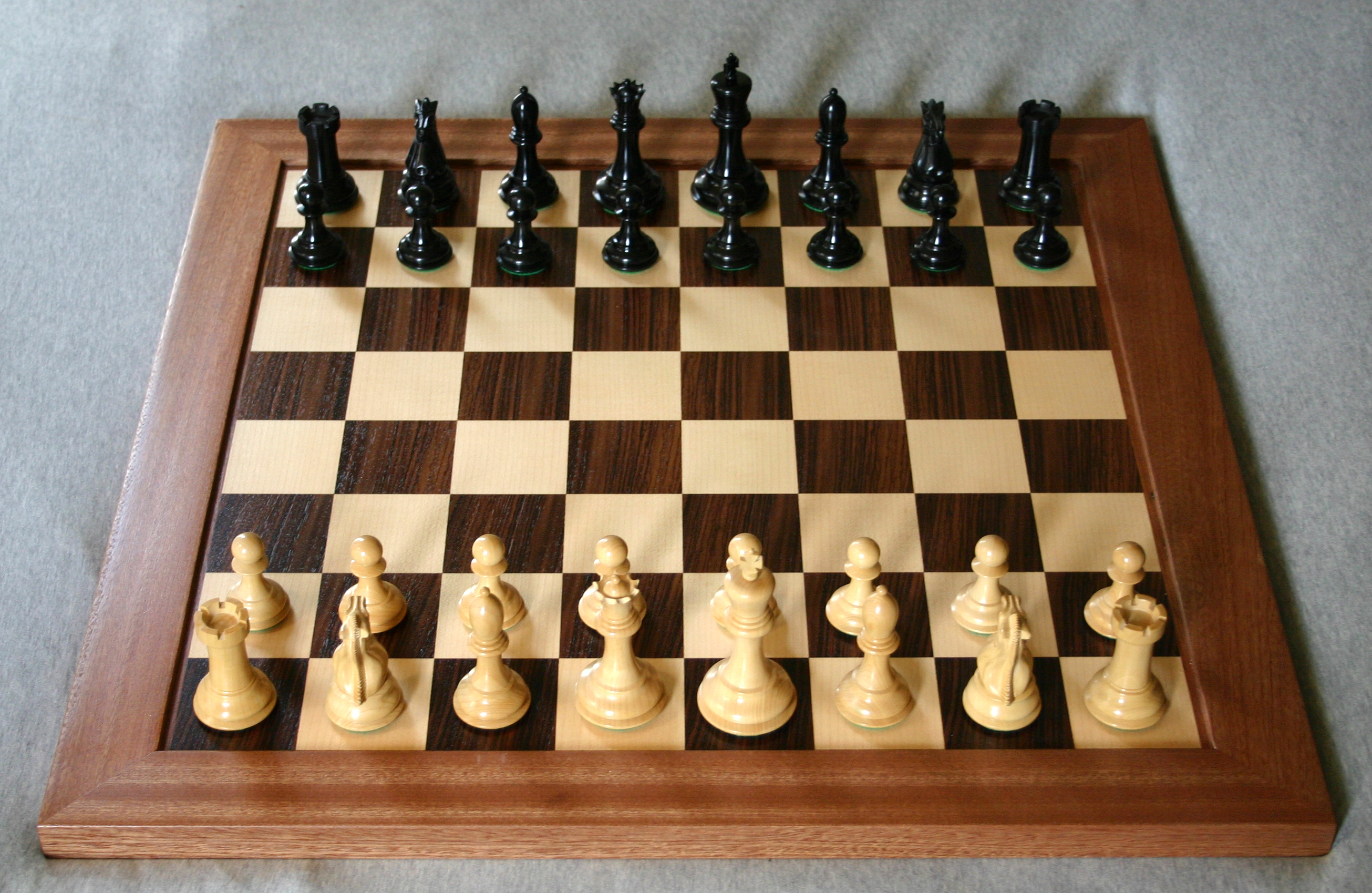
The Caro-Kann Defense begins 1.e4 c6. Black doesn’t fight for the center immediately with a pawn; instead, Black prepares a later …d5 push with c6 as support. On move 2, after 1…c6 2.d4 d5, Black stakes a claim in the center with both pawns protected. White must now deal with the tension: exchange pawns, advance, or maintain it.
Two amateurs and a magazine
The defense is named for two players who never faced each other and never played at anything like the top level. Horatio Caro (1862–1920) was a British-born chess master who spent most of his career in Berlin; his analysis of 1…c6 appeared in the German magazine Brüderschaft in 1886, which he himself edited. Marcus Kann, an Austrian amateur, had already demonstrated the same idea over the board a year earlier, scoring a 17-move win with it against Jacques Mieses at the fourth German Chess Congress in 1885. Neither man is credited with inventing the underlying idea outright, moves resembling it appear in earlier games, but their independent analytical work is what got the system studied seriously. The hyphenated name itself came slightly later still: the first known use of “Caro-Kann” in print was an 1890 article by Curt von Bardeleben in the Deutsche Schachzeitung, crediting both men jointly.
The result is a defense that’s fundamentally sound without being passive. Anatoly Karpov, one of the most technically precise champions in history, used the Caro-Kann as his primary weapon against 1.e4. His championship-level record in it is a useful data point: if the defense were actually passive or conceding, Karpov wouldn’t have trusted it against the world’s best. See our World Chess Championship overview for more on what Karpov’s era looked like.
The main variations
Classical Caro-Kann: 3.Nc3 dxe4 4.Nxe4
White brings out a knight; Black trades pawns on e4; White recaptures with the knight. After 4…Bf5, Black’s light-squared bishop comes out before closing the pawn chain: one of the key advantages of the Caro-Kann structure. Black develops naturally, White often plays 5.Ng3 Bg6 6.h4 h6 7.Nf3, and the resulting positions are rich.
The key concession Black sometimes makes in the Classical: after 4…Nd7 5.Bc4 Ngf6 6.Ng5, Black must play 6…e6 (closing the bishop on f5 behind the pawn chain) or 6…Nb6. The bishop-pair struggle that results explains why Silman’s How to Reassess Your Chess (affiliate) is worth reading alongside any Caro-Kann study. Karpov’s handling of these positions, keeping the bishops relevant rather than letting White exploit them, is instructional chess.
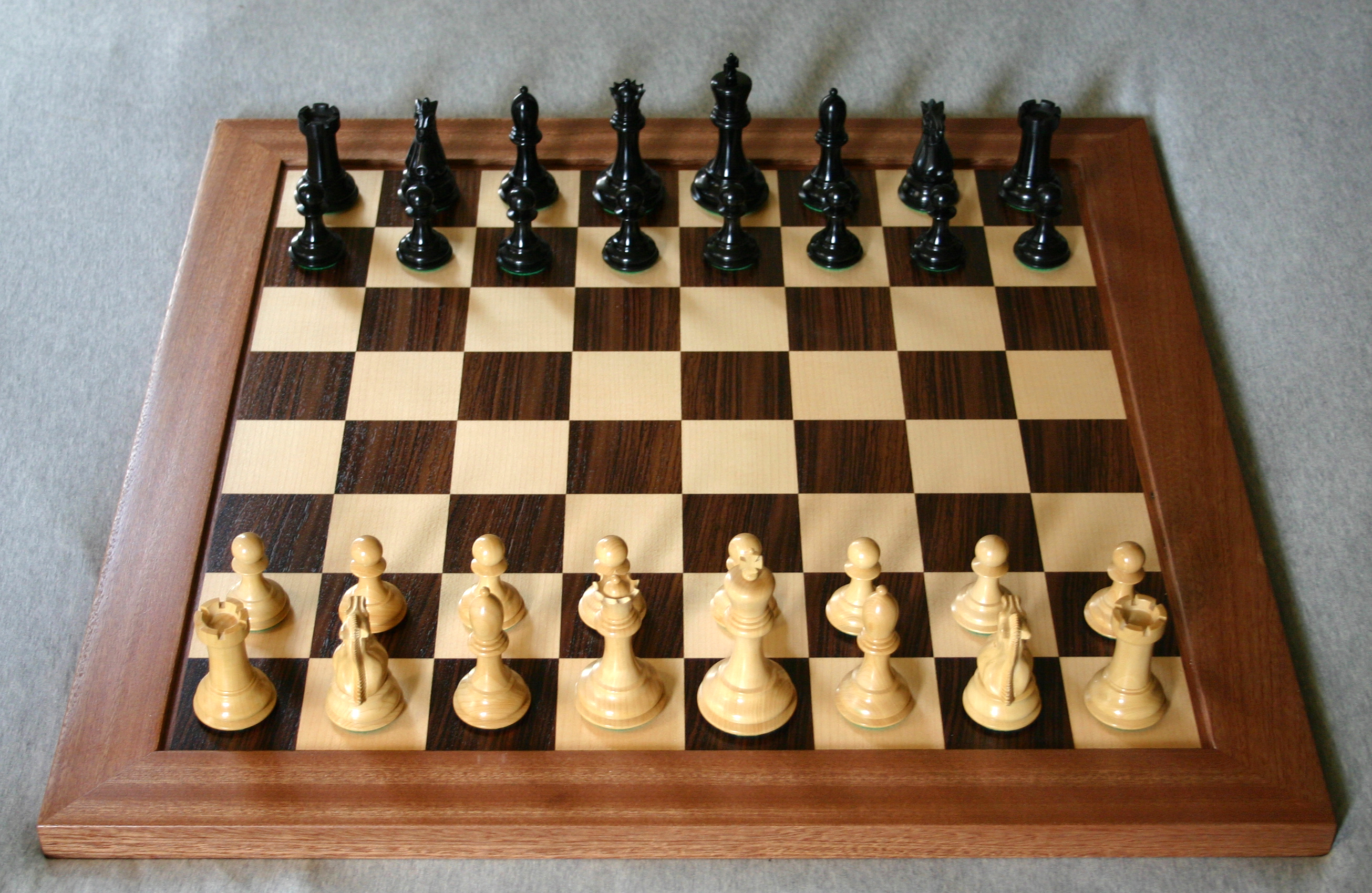
Advance Variation: 3.e5
White advances the pawn, locking the center. The position resembles a French Defense Advance with the difference that Black’s c-pawn is already on c6 rather than c5: a significant structural distinction. Black typically plays 3…Bf5, getting the bishop out before the position closes, then plays …e6…c5, and …Nc6 or …Qb6 to press against White’s extended center.
The Advance is popular at club level because it gives White a space advantage without complex piece exchanges. The downside: White’s e5 pawn can become a weakness if Black successfully pressures it. Nigel Short used the Advance variation at the top level; it remains a legitimate weapon.
Panov-Botvinnik Attack: 3.exd5 cxd5 4.c4
After the exchange on d5, White plays c4, attacking the d5 pawn. This leads to positions resembling the Queen’s Gambit Accepted, isolated d-pawn structures where Black has piece activity in exchange for the pawn weakness.
The Panov is the most tactical of the major Caro-Kann variations. Black can fight for the initiative or play solidly: the choice shapes the resulting middlegame. Strong players on both sides often choose it when they want a decisive result.
Exchange Variation: 3.exd5 cxd5
White exchanges pawns immediately. The symmetric pawn structure makes quick draws available; the positions are solid but offer White limited winning chances. Common in situations where White wants to reduce risk.
Why players choose the Caro-Kann
Compared to the main 1.e4 responses:
vs. 1…e5: The Ruy Lopez and Italian Game give Black counterplay but require defending against White’s persistent pressure. The Caro-Kann avoids that: Black’s setup is solid and the light-squared bishop comes out freely.
vs. the Sicilian Defense: The Sicilian gives Black immediate counterplay with unbalanced pawn structures from move 1. The Caro-Kann is more solid, Black accepts slightly less counterplay for a cleaner structure. Players who want fighting chances but not the complexity of the Sicilian often choose the Caro-Kann. That’s also what makes it a good starting point for newer players: the structures are cleaner than the Sicilian’s, the plans are more straightforward, and Black doesn’t need to memorize deep opening theory to play it correctly.
vs. the French Defense: The French (1…e6 followed by …d5) traps the light-squared bishop behind the pawn chain. The Caro-Kann avoids this: 1…c6 followed by …d5 leaves the bishop free on move 4.
The standard characterization: the Caro-Kann is solid, sound, and suitable for long games. Karpov, Tigran Petrosian, and Smyslov all used it, players known for technical precision over attacking brilliance.
At the top level today
The Caro-Kann remains a serious weapon at grandmaster level. Magnus Carlsen has used it. Hikaru Nakamura uses it. It shows up in World Chess Championship preparation. The reason: it’s genuinely difficult to get a large advantage against as White. The positions are well-understood but the understanding favors equality rather than White advantage.
A Caro-Kann in practice
Ding Liren’s first competitive game after a 500-day absence, Chinese Team Championship 2026, as Black in the Advance Variation, shows the opening’s practical strength: solid structure, central passed pawn, win in 25 moves.
Chen, Qi White Ding, Liren Black


Sources
- Hooper, David, and Kenneth Whyld. The Oxford Companion to Chess. Oxford University Press, 1992.
- Chernev, Irving. Logical Chess: Move by Move. Batsford. (affiliate)
- Silman, Jeremy. How to Reassess Your Chess. Siles Press, 4th ed. 2010. (affiliate)
This page contains affiliate links. As an Amazon Associate, DiscussChess earns from qualifying purchases.
Sources
- Hooper, David, and Kenneth Whyld. The Oxford Companion to Chess. Oxford University Press, 1992.
- Karpov, Anatoly. My Best Games. Batsford, 1996.
Further reading
- Logical Chess: Move by Move, Irving Chernev ASIN verified via Open Library 2026-05-02. Several annotated games demonstrate the structural principles directly applicable to Caro-Kann positions.
- How to Reassess Your Chess, Jeremy Silman ASIN verified via Amazon 2026-05-02. Silman's chapter on bishop-pair imbalances directly explains why Karpov accepted the bishop-pair concession in the Classical Caro-Kann.