The Carlsen-Niemann Affair: Where It Actually Stands Now
In September 2022, Magnus Carlsen withdrew from the Sinquefield Cup after losing to Hans Niemann, implying cheating. The $100M lawsuit was dismissed, FIDE fined Carlsen but found no OTB cheating evidence against Niemann, and Niemann reached a peak rating of 2738 in 2025. Here's the complete timeline of what happened and what it means.
September 4, 2022. Sinquefield Cup, St. Louis. Magnus Carlsen lost to Hans Moke Niemann in Round 3. Niemann was 19. Carlsen was the world number one.
Carlsen withdrew from the tournament the next morning. He posted a cryptic tweet including a video clip of José Mourinho saying “I prefer really not to speak.” In chess, that’s about as close to a direct accusation as you can make without making one.
What followed was the biggest controversy in modern competitive chess.
What actually happened at the Sinquefield Cup
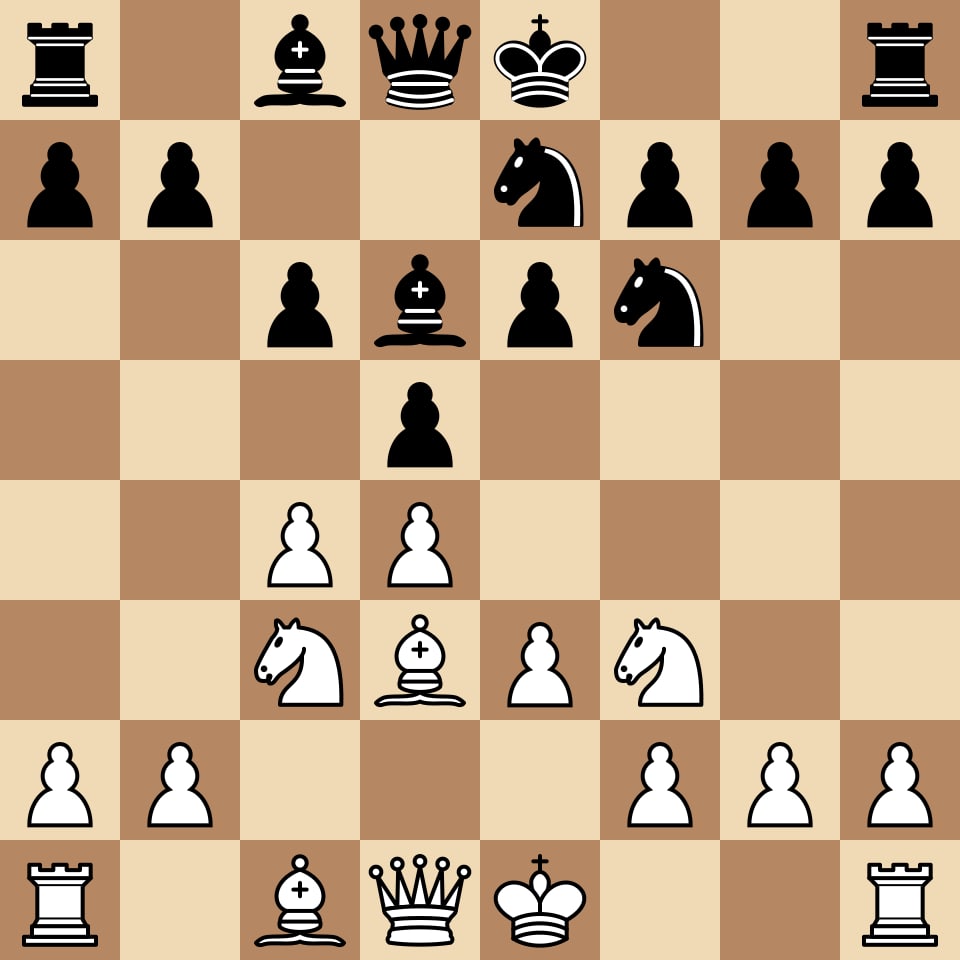
Niemann, a 19-year-old American grandmaster, beat Carlsen with Black in a Nimzo-Indian Romanishin Variation. The game was analyzed by engines after the fact. The consensus: Niemann played well, but the win was within the range of strong human play. There was no identified smoking gun in the game itself.
The game in full
Carlsen had White and went for a Nimzo-Indian sideline (4.g3). After early queen exchanges by move 14, the game became a long endgame battle. Niemann’s bishop pair and active king proved decisive.
Carlsen, Magnus White Niemann, Hans Black


But the chess world had context. Niemann had previously admitted to cheating twice on Chess.com, once at 12 and once at 16, in online games. Chess.com had a report suggesting irregular results in his career that they’d been tracking. Carlsen knew all of this.
His withdrawal implied a third incident. Carlsen never said that directly in so many words. But there wasn’t much ambiguity about what he was suggesting.
The legal fight
In October 2022, Niemann filed a $100 million defamation lawsuit against Carlsen, Carlsen’s company Play Magnus Group, Chess.com, Chess.com’s chief chess officer Danny Rensch, and Hikaru Nakamura, alleging defamation and unlawful collusion.
A Missouri federal court dismissed the lawsuit in 2023.
In August 2023, Chess.com announced that all parties had settled. Chess.com reinstated Niemann on their platform. In settling, Carlsen acknowledged that the Chess.com report found “no determinative evidence that Niemann cheated in his game against me at the Sinquefield Cup.” That’s a legally significant phrase. It doesn’t say Niemann didn’t cheat. It says there’s no evidence he cheated in that specific game.
Chess.com’s own report, 72 pages long, went further than that single game: it alleged Niemann had “likely cheated” in more than 100 online games, some as recently as August 2020 when he was 17, and described suspicious move patterns that coincided with new windows opening on his computer during play. Chess.com was explicit, though, that this applied to online games only; the report stated there was “a lack of concrete statistical evidence” that he’d cheated in any over-the-board game, including the one against Carlsen.
FIDE’s own investigation and ruling
The settlement didn’t end the matter for FIDE, which ran a separate, formal investigation through its Fair Play Commission. In February 2023, a three-person panel produced a 30-page report, which went to FIDE’s Ethics and Disciplinary Commission for a final ruling. Two findings stand out. First, the panel found no evidence Niemann had cheated over the board, at the 2022 Sinquefield Cup or in any other tournament examined over the prior three years. Second, on the specific question of Niemann’s online play, FIDE’s own analysis, conducted by Professor Kenneth Regan, a recognized expert in computer-assisted cheating detection, found statistical “instances of cheating” in somewhere between 32 and 55 online games, a smaller number than Chess.com’s own count but still a confirmed finding, not a dismissed one.
The Ethics and Disciplinary Commission’s final ruling, issued in December 2023, cleared Carlsen of the most serious charges against him: reckless or unfounded accusation of cheating, disparaging FIDE’s reputation, and attempting to undermine the sport’s integrity. But it did find him guilty of one thing, withdrawing from the 2022 Sinquefield Cup “without valid reason,” and fined him €10,000. In the same ruling, the commission stated that Carlsen’s suspicions had been “based on reasonable grounds,” even though the investigation itself concluded Niemann hadn’t been found guilty of over-the-board cheating. That combination, reasonable suspicion on Carlsen’s side plus no proof of OTB cheating on Niemann’s, is about as close to an official, adjudicated answer as this controversy has ever gotten, and it satisfies neither side’s preferred version of events completely.
The Netflix documentary
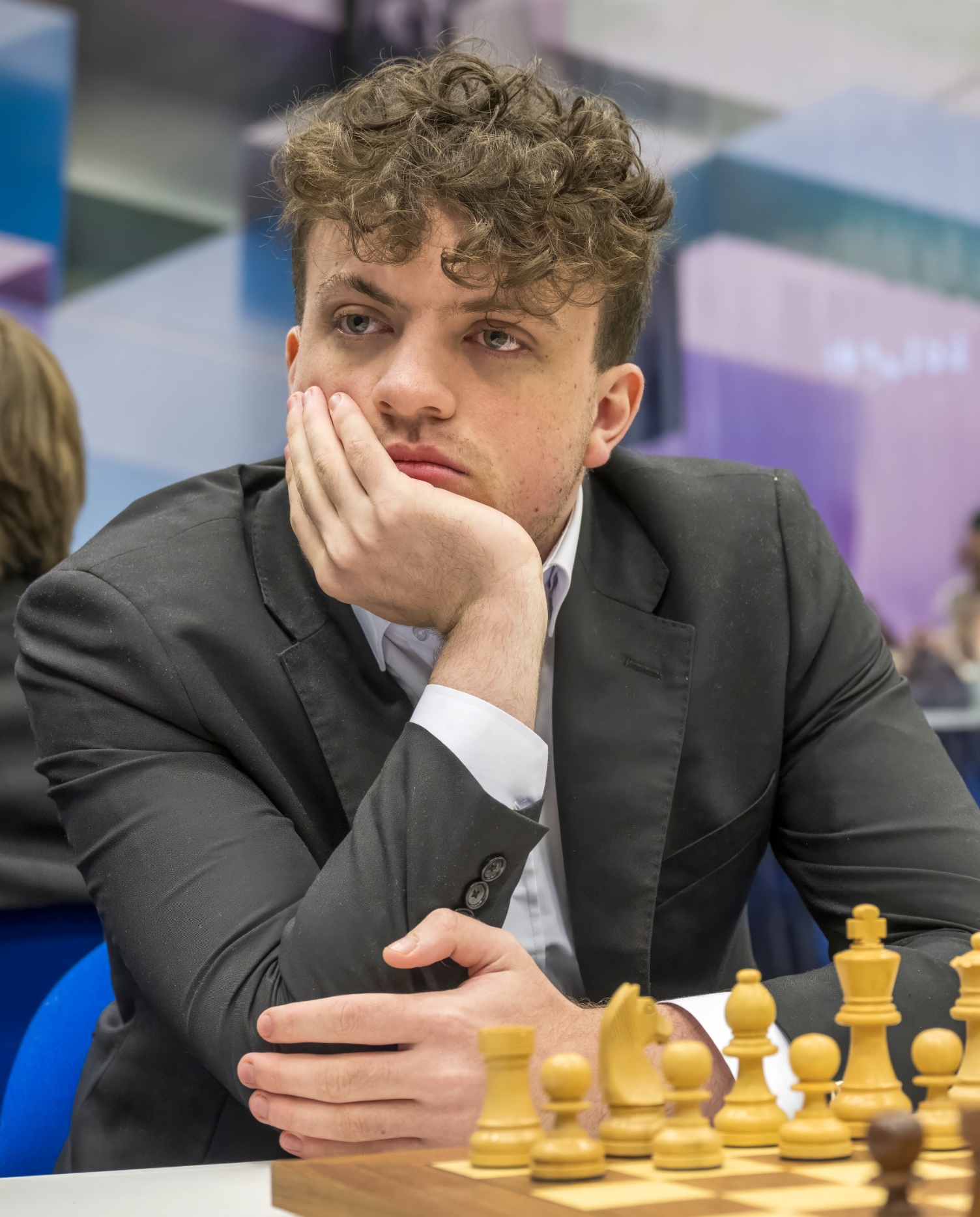
In 2024, Netflix released an episode of its “Untold” documentary series called “Chessmates,” covering the controversy. Both Carlsen and Niemann spoke on camera.
Niemann acknowledged his earlier online cheating more directly than he had before. Carlsen acknowledged that his withdrawal had created real consequences for Niemann’s reputation and career, while standing by his original suspicion without walking it back. Neither man resolved the central question, because the central question hasn’t been resolved.
Where things stand in 2025
Niemann’s FIDE classical rating peaked at 2738 in October 2025. That’s his personal best. He’s 22 years old, in the top 30 or so in the world, and playing the best chess of his career.
He and Carlsen have played each other multiple times since the controversy. In the 2024 Speed Chess Championship match in Paris (held in person, played on computers, with Chess.com security visible throughout) Carlsen won 17.5–12.5. In several online Titled Tuesday events in 2024, Carlsen scored 2.5 out of 3 against Niemann. Their head-to-head in live games hasn’t been close.
What hasn’t happened: any definitive OTB cheating finding against Niemann at the elite level. Both Chess.com’s internal report and FIDE’s own formal investigation, run independently of each other, reached the same conclusion on that specific question: no proof of over-the-board cheating, in the Carlsen game or in the broader set of tournaments FIDE examined.
The honest read
This controversy has an official ruling attached to it now, and it still doesn’t fully resolve the underlying disagreement, because the ruling itself splits the difference. FIDE’s Ethics and Disciplinary Commission found Carlsen’s suspicions were reasonably grounded, while also finding no evidence Niemann had actually cheated over the board. Both things are true in FIDE’s own words. Carlsen believed Niemann cheated at the Sinquefield Cup and was willing to torpedo his own participation in the tournament over that belief; FIDE didn’t call that belief reckless, but fined him anyway for how he acted on it.
Niemann has consistently denied cheating OTB, at Carlsen’s game and everywhere else FIDE looked. His rating trajectory since the controversy, climbing to a career-best 2738 three years later, doesn’t look like a player who was secretly aided by outside assistance and then stripped of it.
What we know, stated plainly: Niemann admitted to online cheating at 12 and 16. Chess.com’s investigation found evidence of cheating in dozens more online games through 2020, which Niemann has never fully disputed. FIDE’s own expert analysis, independently, found evidence of cheating in a smaller but still real number of online games. Neither Chess.com nor FIDE found evidence of over-the-board cheating, against Carlsen or anyone else. Carlsen withdrew from the Sinquefield Cup and was fined for it, but not found guilty of making a reckless accusation. The lawsuit was dismissed. The parties settled. And Niemann is still playing chess at a very high level, a fact that exists alongside all the rest of it rather than resolving any of it.
For historical context on chess’s long relationship with integrity debates, David Shenk’s The Immortal Game covers how the game’s competitive culture developed. For understanding what the psychological pressure of playing at the highest level actually feels like, Seirawan’s Chess Duels is first-person and direct.
Sources
- Carlsen-Niemann controversy, Wikipedia
- Hans Niemann $100M Lawsuit Dismissed, Chess.com
- Carlsen, Niemann Speak In Netflix Untold Documentary, Chess.com
- Hans Niemann plots a path to vindication, ESPN
- Sinquefield Cup 2022 R3 PGN, Lichess broadcast
- Shenk, David. The Immortal Game: A History of Chess. Knopf Doubleday, 2006.
This page contains affiliate links. As an Amazon Associate, DiscussChess earns from qualifying purchases.
Sources
- Carlsen-Niemann controversy, Wikipedia
- Hans Niemann $100M Lawsuit Against Magnus Carlsen, dismissed, Chess.com
- Carlsen, Niemann Speak On Chess Scandal In Netflix Untold Documentary, Chess.com
- Hans Niemann plots a path from chess villain to vindication, ESPN
- Sinquefield Cup 2022 R3 PGN, Lichess broadcast
- Decision on the Magnus Carlsen / Hans Niemann case, FIDE
- FIDE Ethics and Disciplinary Commission, Decision Case 2/2023 (PDF)
- Probe finds Niemann didn't cheat against Carlsen OTB but did cheat in up to 55 online games, CNN
Further reading
- The Immortal Game: A History of Chess, David Shenk ASIN verified via Open Library 2026-05-02. Knopf Doubleday 2006. The best general-audience history of chess, including the recurring debates about competition integrity across different eras.
- Chess Duels: My Games with the World Champions, Yasser Seirawan ASIN verified via Open Library 2026-05-02. Everyman Chess 2018. Seirawan's direct experience playing world-champion-level chess puts the psychological stakes of high-level competition in perspective.
- House of Staunton Grandmaster Chess Set, 4.0" King (Ebonized Boxwood) ASIN verified via Amazon 2026-05-02. The standard wooden Staunton set for serious home analysis.