Boris Spassky: World Champion, 1969 to 1972
Boris Spassky was World Chess Champion from 1969 to 1972. He lost the title to Bobby Fischer in Reykjavik in one of the most dramatic matches in chess history. A biography of a player history mostly remembers as Fischer's opponent: which undersells him significantly.
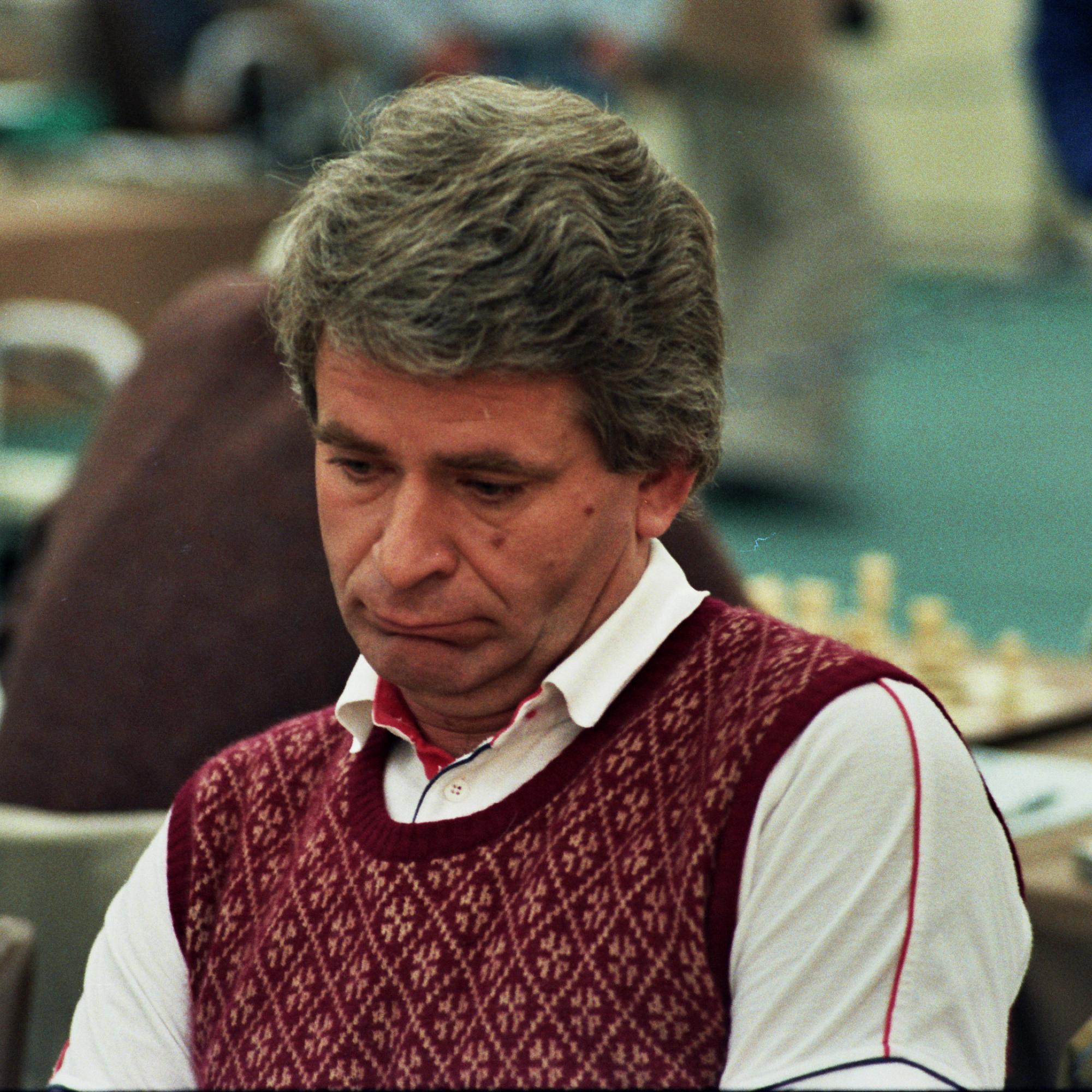
Boris Spassky was born January 30, 1937, in Leningrad (now St. Petersburg), and died February 27, 2025, in Moscow, at 88. He became World Chess Champion in 1969 by defeating Tigran Petrosian 12.5–10.5, held the title until 1972, and lost it to Bobby Fischer in Reykjavik, Iceland, 12.5–8.5 across 21 games (7 wins, 11 draws, 3 losses, two of the losses by forfeit). His peak FIDE rating, 2690, came in January 1971, when he was ranked No. 2 in the world. The 1972 match is the event history attaches to his name, which undersells what he actually was: a universal player with a nearly complete game who dominated Soviet chess in the late 1960s at the highest level, before or after Fischer entered the picture.
He was 35 in Reykjavik and playing excellent chess. Fischer was playing the best chess anyone had seen in decades. Both things are true, and Spassky acknowledged it plainly, in public, before the match was even over.
A childhood in the siege, and a simul win over Botvinnik at 10
Spassky learned chess at five, during the wartime evacuation from Leningrad, and rose through the Soviet junior system faster than almost anyone before him. At 10, in 1947, he defeated Soviet champion Mikhail Botvinnik in a simultaneous exhibition, a result that made him a name in Soviet chess before he was a teenager. Under coach Vladimir Zak he set a string of youngest-ever records: first category rank at 10, candidate master at 11, Soviet master at 15. He won the 1955 World Junior Championship in Antwerp decisively, 8/9, a full point ahead of Edmar Mednis, and automatically earned the grandmaster title the following year by tying for third at the 1956 Amsterdam Candidates Tournament at 19, at the time the youngest grandmaster in the world.
His progress stalled badly between 1958 and 1962. He failed to advance through two consecutive Interzonals, his first marriage ended in 1961, and he split with his trainer Alexander Tolush the same year. He rebuilt with a new coach, the strategist Igor Bondarevsky, and the partnership worked almost immediately: Spassky won his first Soviet Championship outright at Baku in 1961, 14.5/20, half a point ahead of Lev Polugaevsky.
Rise through the Candidates cycles
Spassky tied for first at the 1964 Amsterdam Interzonal with Tal, Smyslov, and Bent Larsen, and the 1965 Candidates cycle that followed was his most impressive run to date: he beat Paul Keres 6–4 in the quarterfinal, Efim Geller 5.5–2.5 in the semifinal, and Mikhail Tal 7–4 in the final at Tbilisi, earning his first world championship match. He lost that 1966 match to Petrosian in Moscow, three wins to four with seventeen draws, the first time a reigning champion had won an outright title defense since Alekhine beat Bogoljubov in 1934.
He came back for another run in 1968, beating Geller again 5.5–2.5, then Larsen 5.5–2.5, then Viktor Korchnoi in the final, +4−1=5. That earned him a second shot at Petrosian, and in 1969 he won it convincingly, 12.5–10.5 over 24 games in Moscow, claiming the title with flexible, universal chess that had no obvious weakness for Petrosian’s legendary defense to exploit.
Playing style
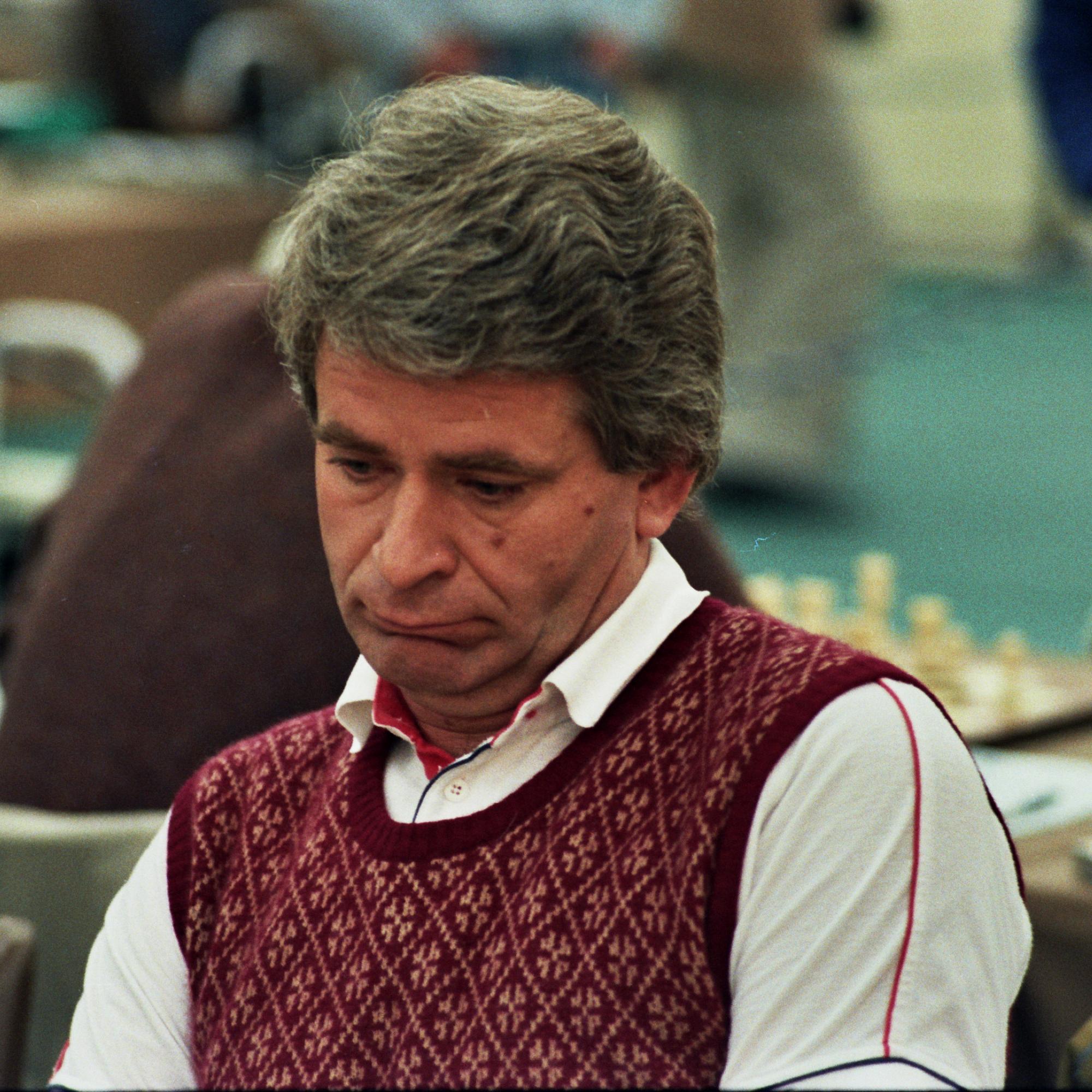
Spassky was a genuinely universal player, comfortable in sharp tactical positions and dry technical endgames alike, capable of playing gambit lines or the most solid positional systems depending on what the moment called for. His opening range even included the King’s Gambit at the elite level, a genuinely unusual choice for a world champion by the 1960s. Fischer’s preparation for the 1972 match aimed specifically at pulling Spassky out of familiar theoretical terrain and into positions where raw calculation, rather than preparation, would decide the outcome, and it worked exactly as intended.
Spassky’s conduct during the 1972 match is remembered generously by chess historians for good reason. He accepted genuinely unusual playing conditions Fischer demanded, showed real sportsmanship after two forfeit losses that would have embittered most champions, and publicly applauded at least one of Fischer’s brilliant moves during the match itself. He said afterward, without qualification, that he had been beaten by a superior opponent.
Game 5 at Reykjavik, a Nimzo-Indian, shows Fischer at his technical best: controlled pawn pressure building to an exchange sacrifice that leaves Spassky in a lost endgame. Spassky’s chess in the game wasn’t bad; Fischer’s was simply better.
Spassky, Boris White Fischer, Robert James Black


After 1972
Spassky remained a genuinely elite player for over a decade after Reykjavik, but never reached another world championship match. He won a second Soviet Championship outright in 1973, and made two more Candidates runs: in 1974 he beat Robert Byrne 4.5–1.5 in the semifinal before losing to Anatoly Karpov, one win to four with six draws, in Leningrad. In the 1976–78 cycle he beat Vlastimil Hort 8.5–7.5 in a quarterfinal complicated by Spassky’s own illness, a match Hort reportedly extended a rest day to accommodate, then beat Lajos Portisch 8.5–6.5 in the semifinal, before losing the final to Korchnoi in Belgrade, four wins to seven with seven draws. He faced Portisch again in the 1980 Candidates in Mexico; after fourteen games tied 7–7, Portisch advanced on having won more games with the black pieces, one of the more unusual tiebreak methods in championship history.
He left the Soviet Union for France in 1976 with his third wife, Marina Shcherbachova, granddaughter of a White movement general, and became a French citizen in 1978. He kept winning strong tournaments abroad, tying for first at Bugojno 1978 with Karpov and taking clear first at Linares 1983, ahead of both Karpov and Ulf Andersson. In September 1992, at 55, he played an unofficial rematch against Fischer, then 20 years removed from competitive chess, in Sveti Stefan and Belgrade, Yugoslavia. Fischer won, five wins to ten with fifteen draws, and earned a purse that made Spassky, as the loser, $1.65 million richer, a remarkable sum for the era. The match violated US sanctions against Yugoslavia, which affected Fischer’s legal status for the rest of his life; Spassky avoided almost all of the political fallout. In 1993 he narrowly lost a match to 16-year-old Judit Polgár in Budapest, 4.5–5.5, a symbolic changing of the guard he took in stride.
Final years
Spassky’s health declined visibly after 2006, when he suffered a minor stroke while giving a lecture in San Francisco. He became the oldest surviving former World Champion in March 2010 upon Vasily Smyslov’s death, and that September a more serious stroke left him partially paralyzed on his left side, requiring extended rehabilitation in France. In August 2012 he left France under disputed circumstances and returned to Russia, settling into a Moscow apartment, and made a notably “sprightly” public appearance at the opening of the 2016 Tal Memorial in Moscow despite his ongoing health struggles. He died in Moscow on February 27, 2025, at 88, the last surviving link to the golden era of Soviet world championship chess that ran from Botvinnik through Petrosian.
His contribution to opening theory outlasted his championship reign: he revived the Marshall Attack in the Ruy Lopez as a serious weapon, developed the Leningrad Variation of the Nimzo-Indian, and has variations named after him in both the Caro-Kann and the King’s Indian Attack. Fischer’s own description of playing him has become the standard line: “Spassky sits at the board with the same dead expression whether he’s mating or being mated. He can blunder away a piece and you are never sure whether it’s a blunder or a fantastically deep sacrifice.” A 1960 Spassky game against David Bronstein supplied the chess scene for the James Bond film From Russia with Love, and Liev Schreiber played him in the 2014 film Pawn Sacrifice, evidence, alongside the Fischer match itself, that Spassky’s chess reached an audience that had never touched a chessboard.
Sources
- FIDE Rating Profile: Boris Spassky
- Brady, Frank. Endgame: Bobby Fischer’s Remarkable Rise and Fall. Crown, 2011. (affiliate)
- Boris Spassky, Wikipedia (cross-checked against cited primary sources)
- “10th World Chess Champion Boris Spassky, 1937-2025,” Chess.com
- Fischer, Bobby. My 60 Memorable Games. Batsford/Pavilion. (affiliate)
This page contains affiliate links. As an Amazon Associate, DiscussChess earns from qualifying purchases.
Sources
Further reading
- Endgame: Bobby Fischer's Remarkable Rise and Fall, Frank Brady ASIN verified via Open Library 2026-05-02. The definitive account of Fischer, the 1972 match, and its aftermath.
- My 60 Memorable Games, Bobby Fischer ASIN verified via Open Library 2026-05-02. Contains annotated Spassky games from Fischer's perspective.