Best Chess Tactics Books for Every Level
Tactics training books work differently from endgame books. The goal isn't to read them: it's to drill them until the patterns become automatic. Here's which books are worth drilling and which are just collections.
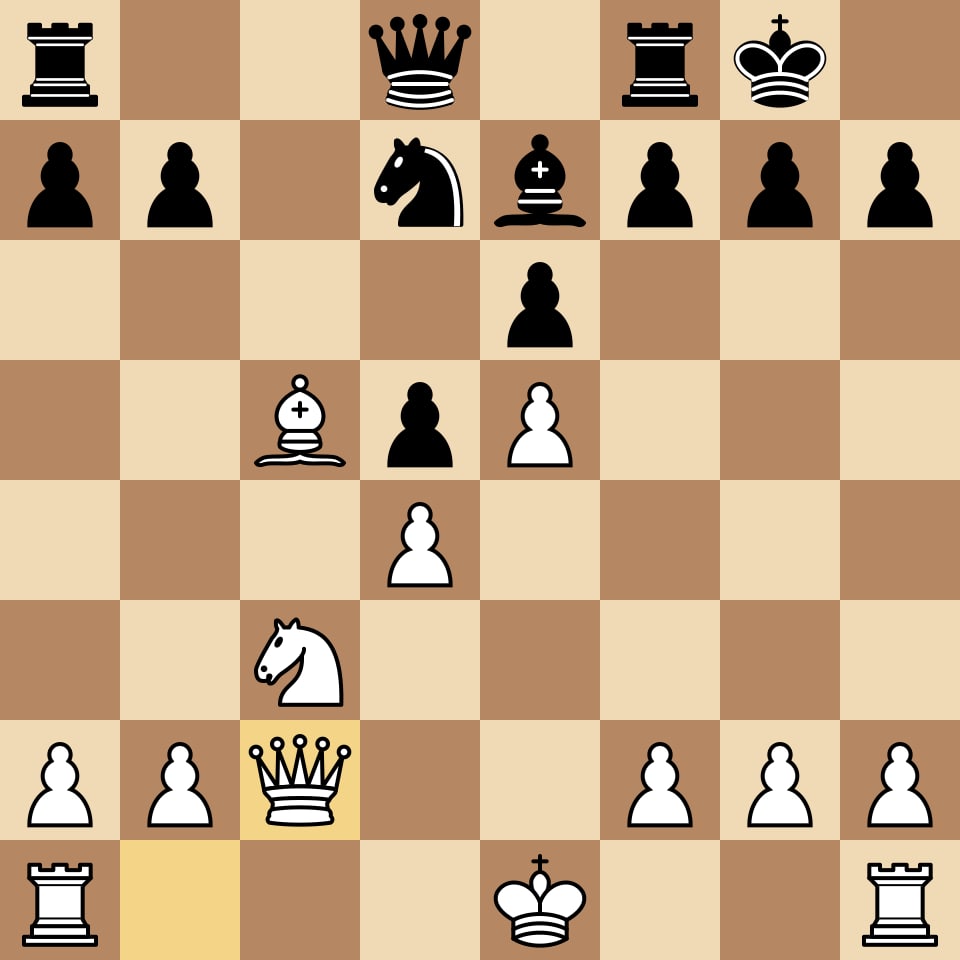
Tactics training is different from other chess study. When you read an endgame book, you’re building knowledge, understanding why a position is won or drawn. When you drill tactics, you’re building reflexes. The goal is to see a fork or a back-rank mate the way you see words: immediately, without calculation, because the pattern is already in memory.
That distinction changes which books are worth buying. Collections with thousands of random positions test your ability to solve. Themed sets that force you to recognize a specific motif before mixing positions are how the pattern actually installs. Most players don’t know the difference and wonder why solving problems doesn’t improve their rating.
The free option first
Before buying anything: Lichess puzzles (free, unlimited) and Chess.com puzzle rush (free tier available) are genuinely effective training tools and cost nothing. Both have themed sets. Both force you to find the move, not just confirm it. If you’re below 1000 rated and not yet solving daily, start there.
This isn’t a reason to skip books. The book-based training below is more structured and better for installing specific motifs. But don’t buy books before using the free tools and confirming that puzzle training is something you’ll actually do daily.
For beginners: themed pattern training
The most effective approach below 1400: themed drilling. Work one motif at a time, fifty forks before fifty pins, fifty pins before fifty skewers, themed sets before mixed. The research on pattern recognition in chess (de Groot, 1965; later replicated) consistently shows that experts see board positions as chunks, not individual pieces. Building those chunks requires repetition on specific patterns.
Convekta/ChessOK’s Chess Tactics for Beginners covers the core motifs (forks, pins, skewers, discovered attacks, back-rank mates, removing the defender) with 1,200 positions organized by theme. The software version forces you to find the move and shows you immediately when you’re wrong: faster feedback than page-turning. The physical book exists; the software is more effective for drilling.
The Convekta PC software listing on Amazon appears to be discontinued. A directly equivalent current option: 1001 Chess Exercises for Beginners by Masetti and Messa (New in Chess, 2012) uses the same themed approach, 1,001 positions organized by motif, with difficulty increasing within each section. The book format is less immediately corrective than software, but the drill-based structure is correct.
5334 Chess Problems, Combinations and Games by László Polgár (the father of the three Polgár sisters including Judit Polgár) is a massive collection organized by motif. It’s a reference and drilling resource in one. More positions than any beginner needs, but the organization by theme makes it useful for targeted drilling at specific weaknesses. Verify current ASIN before purchasing.
For intermediate players: building calculation depth
Above 1400, themes become familiar and the gap moves to calculation depth, finding two- and three-move combinations that aren’t immediately obvious. The training goal shifts from pattern recognition to accurate calculation over multiple moves.
The Woodpecker Method by Axel Smith and Hans Tikkanen (Quality Chess, 2019) applies a specific training protocol to a large set of tactical problems: work through all the problems once, then immediately restart from the beginning, working faster the second time, then a third. The method is designed to build both speed and accuracy. It’s been widely adopted by coaches.
Chess Tactics from Scratch by Martin Weteschnik (Quality Chess, 2nd ed.) focuses on the decision-making process in tactical positions rather than just pattern drilling. It covers how to identify when tactics are available, which pieces are involved, and how to calculate forcing sequences. Useful for players whose pattern recognition is adequate but whose calculation is inconsistent. Verify current ASIN before purchasing.
The annotated game collections that supplement drilling
No amount of isolated puzzle solving produces the chess understanding that comes from seeing tactics in context. Annotated game collections (specifically ones that explain why tactical opportunities exist in a position, not just that they do) belong alongside drilling work.
Logical Chess: Move by Move by Irving Chernev (Batsford) annotates every move of 33 complete games. The tactical moments in those games are explained in terms of the positional decisions that created them. Which is exactly what drilling in isolation can’t teach.
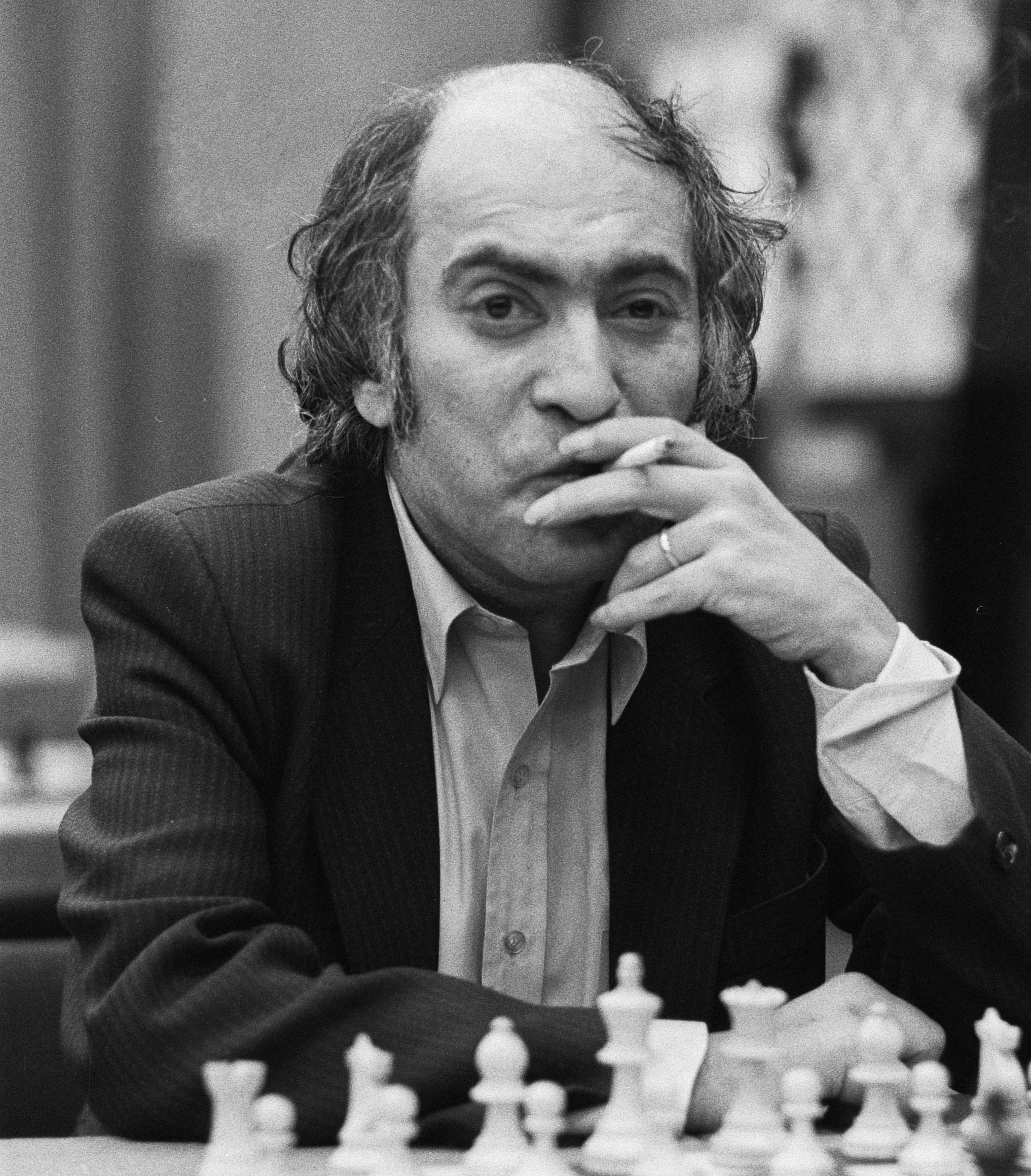
The Life and Games of Mikhail Tal (Everyman Chess, 1997) is the highest-level example of this: Tal’s own explanations of his sacrifices, including which patterns he was reading and which he was guessing. A player at 1000–1400 ELO can follow the thinking. It’s the best real-game examples of the motifs covered in drilling books.
What not to do
Time budget matters more than volume here. Thirty to 45 minutes of genuinely focused solving beats an hour of casual browsing between puzzles, and a tight 20-minute session where you’re actually trying beats both.
Don’t skip the answer before attempting the problem. Glancing at the solution without genuinely trying to solve robs you of the pattern-forming struggle that makes training effective.
Don’t only drill. Isolated tactics work doesn’t teach you to recognize when tactics are available in a live game. Mix drilling with annotated game reading and slow game analysis.
Don’t use blitz as your main practice mode. Blitz rewards reflexes you already have, not ones you’re trying to build. Play G/30 minimum for games that teach something. See our chess study plan for how drilling fits into a complete training routine.
Start now, regardless of rating. Tactics training pays off at every level from complete beginner to grandmaster, themed drills below 1400, calculation work above it, but the daily habit is what compounds. A grandmaster who stops solving puzzles gets rusty in weeks.
This page participates in the Amazon Associates program (tag: discusschess-20). Books recommended without verified ASINs are noted, search Amazon directly and confirm the listing before purchasing.
This page contains affiliate links. As an Amazon Associate, DiscussChess earns from qualifying purchases.
Sources
- de Groot, Adriaan. Thought and Choice in Chess. Mouton, 1965.
- Silman, Jeremy. How to Reassess Your Chess. Siles Press, 4th ed. 2010.
Further reading
- Logical Chess: Move by Move, Irving Chernev, Batsford edition ASIN verified via Open Library 2026-05-02. Teaches the pattern-recognition mindset through complete annotated games rather than isolated positions.
- Life and Games of Mikhail Tal, Mikhail Tal, Everyman Chess, 1997 ASIN verified via Open Library 2026-05-02. Tal's attack combinations are the best real-game examples of the tactical motifs covered in drilling books.
- 1001 Chess Exercises for Beginners, Masetti & Messa, New in Chess, 2012 ASIN verified via Open Library 2026-05-02. New in Chess. 1001 themed positions organized by tactical motif: the correct drill-based approach for beginners under 1400.
- The Woodpecker Method, Axel Smith & Hans Tikkanen, Quality Chess, 2019 ASIN verified via Open Library 2026-05-02. Quality Chess, 392pp. The repetition protocol for building tactical speed and accuracy above 1400.