Best Chess Books for Beginners: Six Titles
Six chess books for players who know the rules and want to improve. Start with Logical Chess: Move by Move. Everything else on this list comes after that one.
Start with Logical Chess: Move by Move by Irving Chernev. That’s the short version. It annotates every single move of 33 complete games in plain language aimed at a player who is learning to think about chess rather than just react to it. If you read one chess book this year, it’s that one.
Everything else on this list comes after. Silman’s Complete Endgame Course once you’ve played enough games that your endgames are falling apart. A tactics trainer once you’re playing regularly. Then openings, and only then.
The one book to buy first
Logical Chess: Move by Move by Irving Chernev (first published 1957, current Batsford edition)
Chernev annotates 33 complete games, every move, in plain language. Not just the critical moments: every move, including the obvious ones. The games were selected for instructional content: each one illustrates a concept (the power of two bishops, open file control, king safety) without drowning in tactics that a beginner can’t follow.
What this book does that others don’t: it teaches you to read the board. Most beginners who “study” chess skim the diagrams. Chernev’s format forces you to think about why natural-looking moves are actually correct, which is how chess thinking develops in the first place.
Still in print. Check the cover reads “Logical Chess: Move by Move” by Chernev, Batsford edition. There are competitors that borrowed the structural approach: don’t get those by accident.
Buy Logical Chess: Move by Move on Amazon (affiliate)For endgames at your current level
Silman’s Complete Endgame Course by Jeremy Silman (Siles Press, 2007)
Silman organizes endgame knowledge by approximate rating level: what a 1000-rated player needs to know, what a 1200-rated player needs to know, and so on up to master level. You read the section for your current level, master it, move up.
That structure is smarter than most endgame books, which cover everything comprehensively and leave beginners reading about queen-and-pawn-vs-queen endings when they haven’t learned king-and-pawn-vs-king. Silman’s approach respects that a beginner and an expert need completely different things.
For anyone below roughly 1400 ELO, the first three or four sections are what matters. King activity in the endgame, pawn endings, basic rook endings. Not knowing them loses points steadily. Read our chess improvement guide for more on when to prioritize endgame study.
Buy Silman’s Complete Endgame Course on Amazon (affiliate)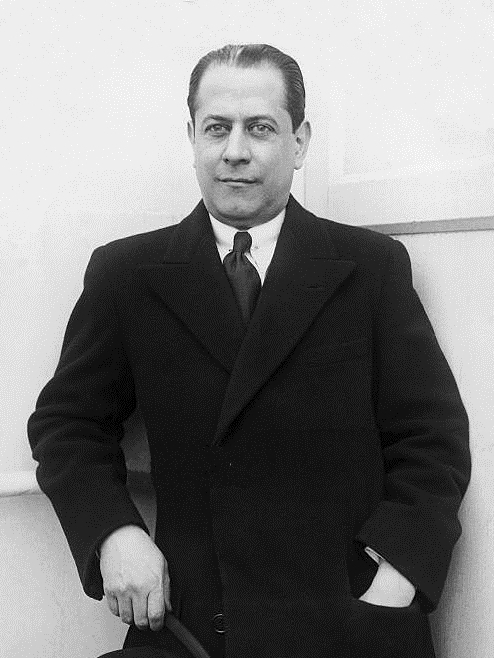
The free one that’s still worth reading
Chess Fundamentals by José Raúl Capablanca (1921)
Capablanca was World Champion from 1921 to 1927. He wrote this book as a general-audience chess instruction text, and it’s in the public domain: available free from Project Gutenberg. The endgame sections are particularly clear. His understanding of king-and-pawn endings was extraordinary and the book shows it.
The language is period English and some of the opening recommendations are a century out of date. Read it for the endgame sections and the strategic explanations, not as an opening guide.
Free download: search “Chess Fundamentals Capablanca Project Gutenberg.” No single authoritative print edition.
For tactics training
Chess Tactics for Beginners (Convekta/ChessOK, also available as software)
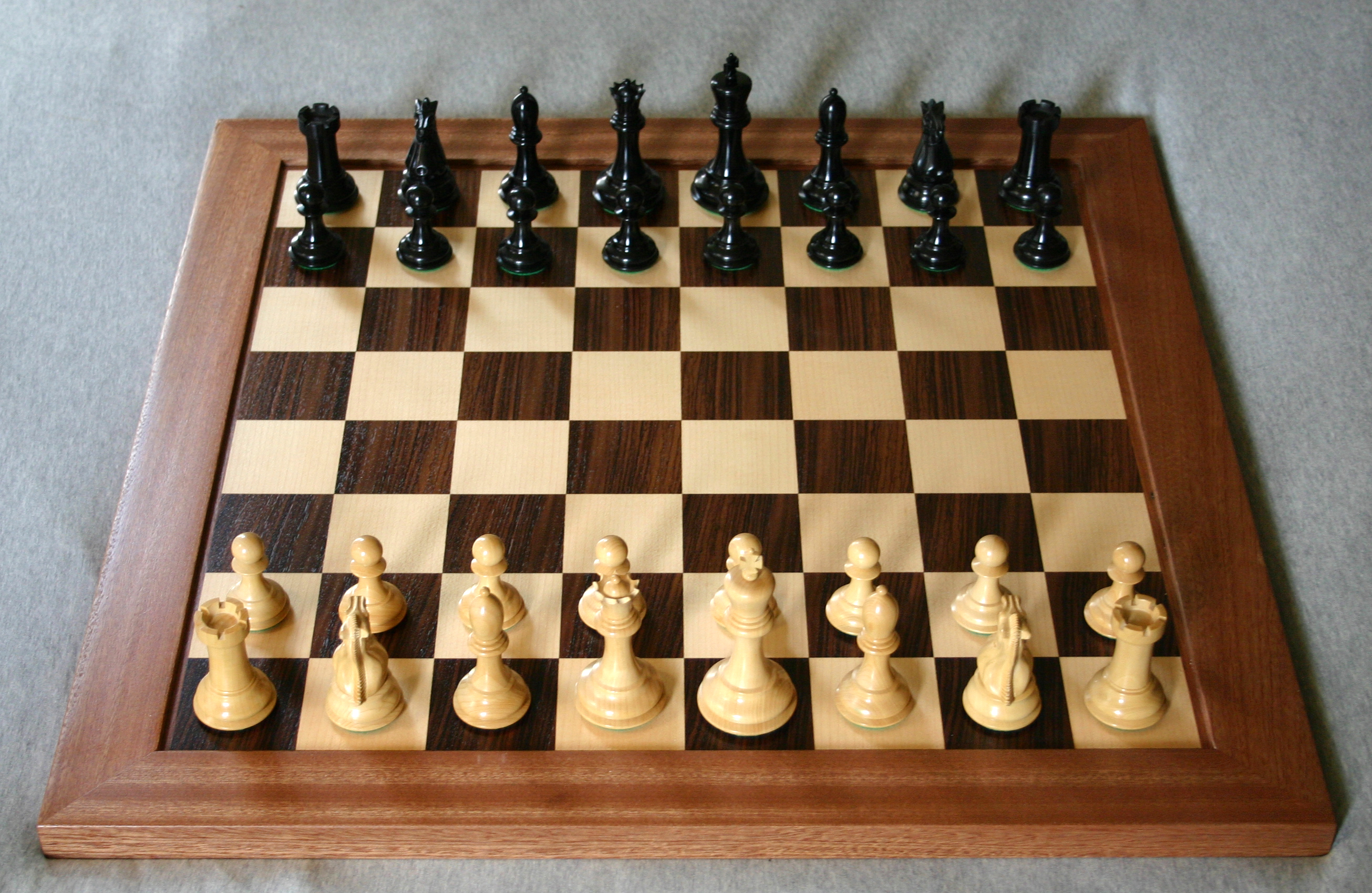
1,200 basic tactical positions organized by theme: forks, pins, skewers, discovered attacks, double checks, back-rank mates. Positions increase in difficulty within each theme. The approach is correct: tactical recognition is pattern-based, and building patterns through themed repetition is faster than random solving.
The software version is more effective than the book because it forces you to actually find the move and tells you immediately when you’re wrong. If you’d rather not buy it, Lichess’s free puzzle trainer covers the same ground with unlimited material. Thirty focused minutes a day on puzzles like these moves most players from roughly 900 to 1200 faster than any other single activity. Books supplement that practice. They don’t replace it.
For opening principles (not a specific opening)
Hold off on this one longer than feels natural. Most players reach for an openings book way too early: the real returns at this stage come from fixing tactics and learning basic endgames, roughly until you’re around 1400 ELO. Opening study before that level returns far less than the same hours spent on tactics puzzles and endgame technique. Once you’re there, though:
Chess Openings for White, Explained and its Black counterpart, by Alburt and Palatnik
These books cover a specific repertoire rather than abstract principles, and that’s actually the right approach for a beginner. You don’t learn chess openings by reading about principles in the abstract. You learn them by playing one system repeatedly until the structures feel automatic.
Pick the White book, play what it recommends for a few months, and understand why the moves make sense. Once the structures are internalized, the “principles” (develop toward the center, castle early, connect your rooks) will feel obvious rather than arbitrary. Multiple current editions exist: verify ASIN before purchasing.
For annotated games you’ll actually finish reading
The Life and Games of Mikhail Tal by Mikhail Tal (Everyman Chess edition)
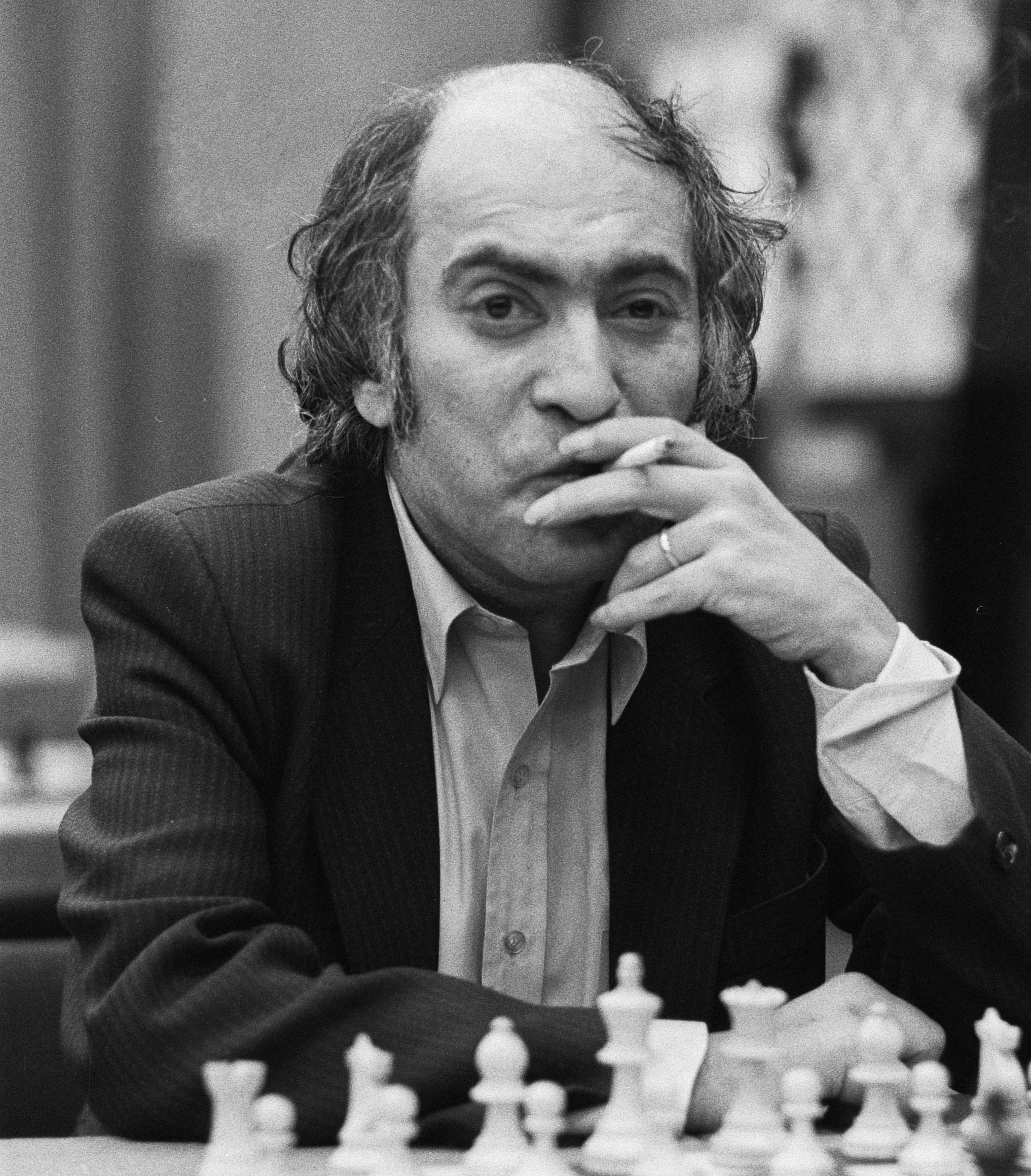
Tal was World Champion briefly (1960–1961), and for his entire career the most unpredictable attacking player in chess. His annotations in this book are accessible, self-aware, and occasionally funny, unusual for chess literature, which tends toward the dense and technical.
This isn’t a beginner instructional book in the strict sense. It’s a game collection with rich annotations that a player around 1000–1400 ELO can follow and enjoy. Reading how a world champion thought about his own positions, in his own words, gives a feel for chess thinking that no pattern-recognition drill fully replaces.
The Everyman Chess 1997 edition is the standard. Earlier editions appeared under different titles and publishers.
Buy The Life and Games of Mikhail Tal on Amazon (affiliate)What to buy and when
Just starting out: Chess Fundamentals (free) + Logical Chess: Move by Move (buy this one).
Around 800–1200 ELO, losing endgames: Silman’s Complete Endgame Course, sections 1–4.
Playing regularly and hitting the same tactical walls: Chess Tactics for Beginners or the free Lichess puzzle trainer.
Ready for a specific repertoire: Chess Openings for White, Explained.
Want to read chess rather than study it: The Life and Games of Mikhail Tal.
The players who studied this way (Magnus Carlsen, Bobby Fischer, Garry Kasparov) all built on the same instructional foundation before reaching the top. The books here teach the thinking process, not just the moves.
This page participates in the Amazon Associates program (tag: discusschess-20). Links are marked accordingly. ASINs verified via Open Library 2026-05-02.
This page contains affiliate links. As an Amazon Associate, DiscussChess earns from qualifying purchases.
Sources
- Chernev, Irving. Logical Chess: Move by Move. Simon and Schuster, 1957. (Current edition: Batsford.)
- Silman, Jeremy. Silman's Complete Endgame Course. Siles Press, 2007.
- Capablanca, José Raúl. Chess Fundamentals. Harcourt Brace, 1921. (Public domain.)
Further reading
- Logical Chess: Move by Move, Irving Chernev (Batsford edition) ASIN verified via Open Library 2026-05-02. Batsford edition, ISBN-10: 0713484640.
- Silman's Complete Endgame Course, Jeremy Silman (Siles Press, 2007) ASIN verified via Open Library 2026-05-02. Siles Press 2007 edition, ISBN-10: 1890085103.
- The Life and Games of Mikhail Tal, Mikhail Tal (Everyman Chess, 1997) ASIN verified via Open Library 2026-05-02. Everyman Chess 1997 edition, ISBN-10: 1857442024.
- Chess Fundamentals, José Raúl Capablanca Public domain. Available free at Project Gutenberg. No single authoritative ASIN.